

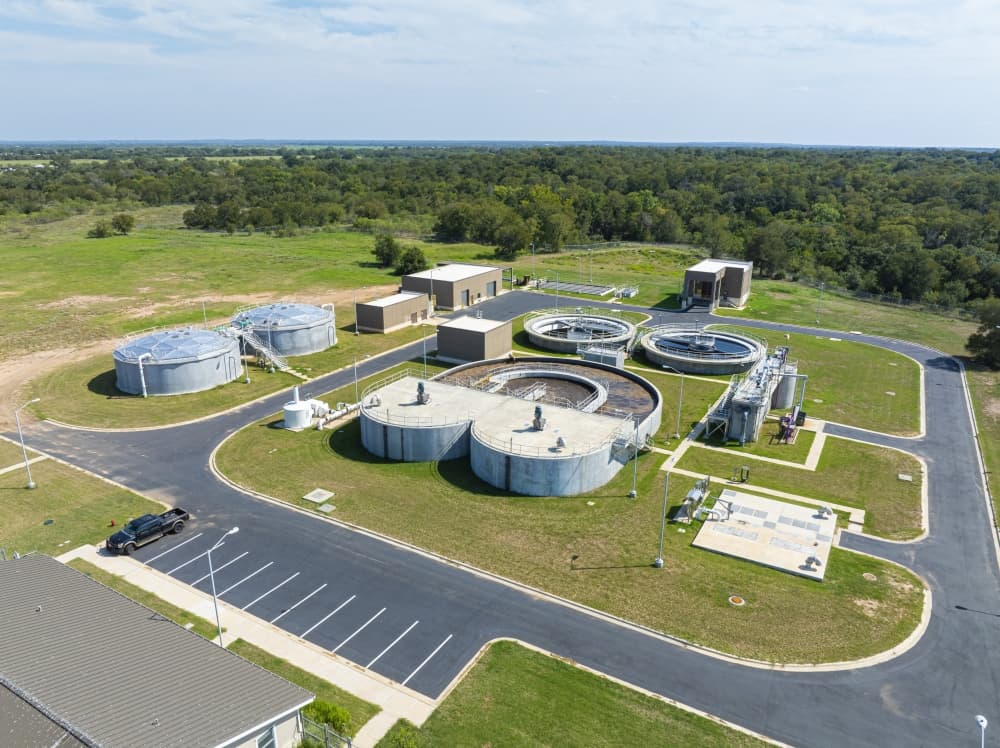
Bastrop officials are taking big steps to ensure a sustainable water future: one that’s safe, efficient and ready to grow with the community.
From new wells to innovative reuse systems and deeper community collaboration, the city’s approach to water infrastructure is built on planning, protection and transparency.
Where is Bastrop’s water coming from now?
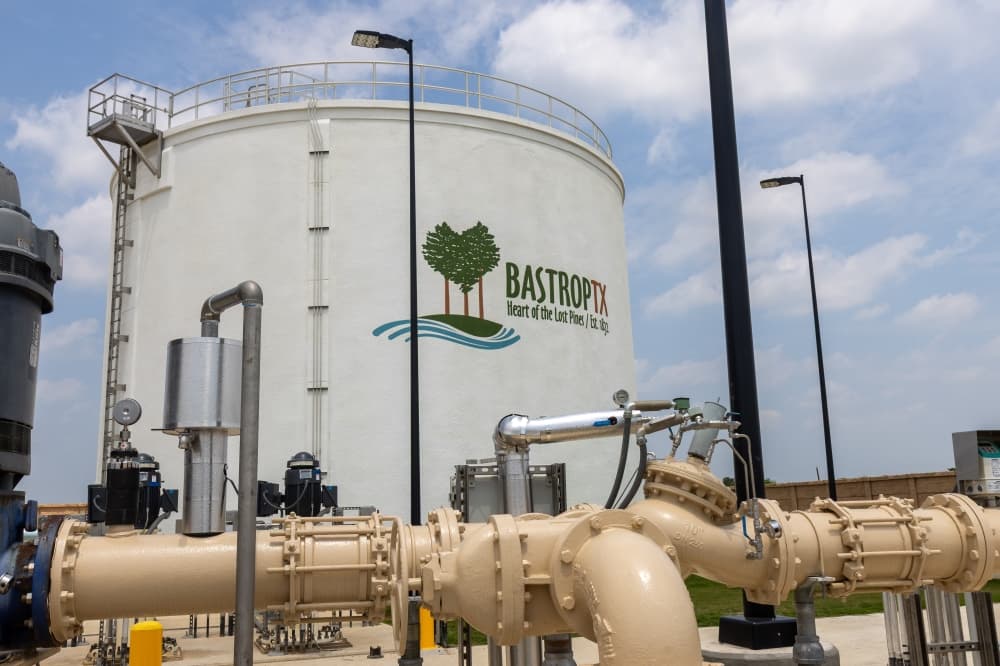
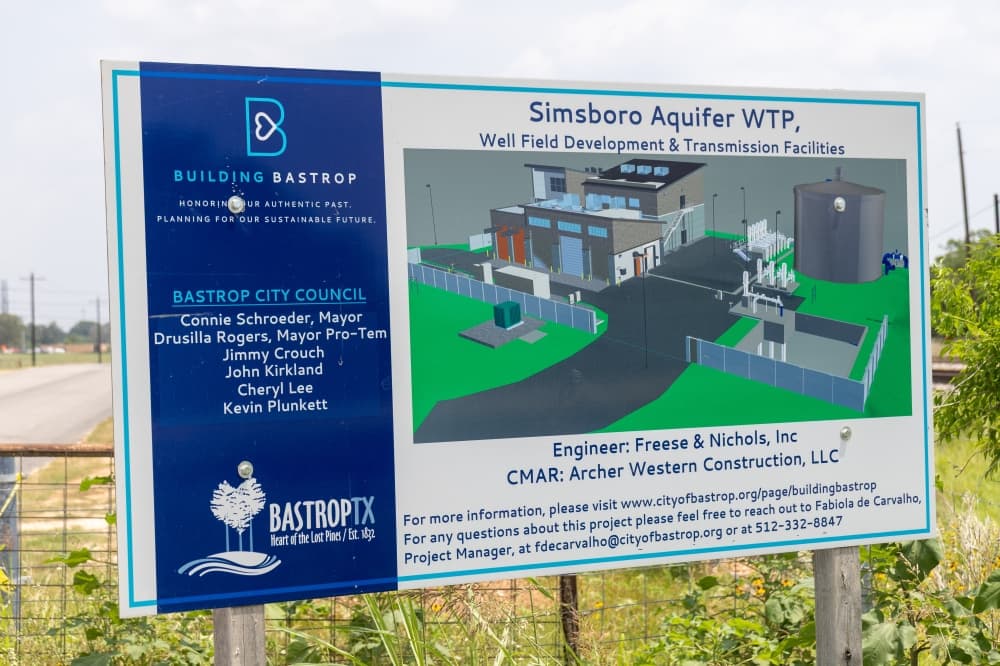
Bastrop recently brought three new wells online, giving residents a new source of water as older wells are phased out. These wells are located on the XS Ranch property in far north Bastrop. So far, the change has been seamless.
“Residents have not complained about water quality, changes in smell or anything else, so that's great,” City Manager Sylvia Carrillo said.
How is the city preparing for growth?
As Bastrop’s population rises, officials are planning for the future by using treated wastewater more strategically.
“A great portion of our existing water supply is used for irrigation,” Carrillo said. “We want to .. use new sources such as effluent water for irrigation, and further treat it to create additional water for drinking purposes in the future.”
To do the irrigation portion, the city is working to create a purple pipe system: a network of underground pipes designed solely to carry effluent for irrigation.
“We're always looking for additional water sources. We need to have a primary, secondary and tertiary supply,” Carrillo said.
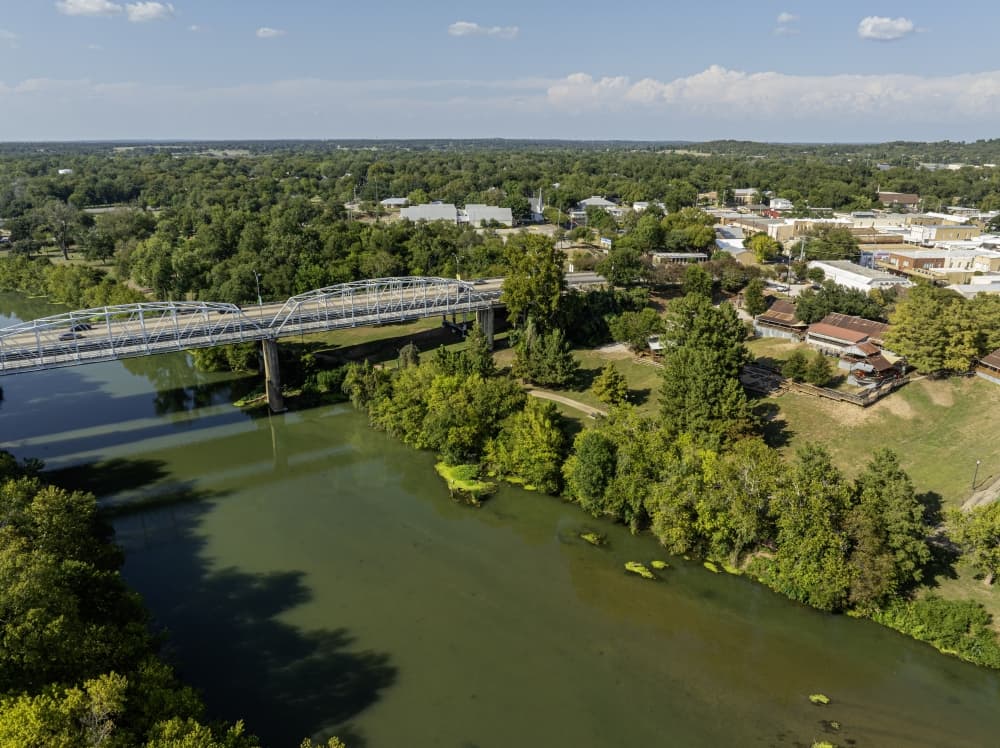
What makes the new wastewater plant different?
Bastrop’s new wastewater treatment plant uses membrane technology to treat water more efficiently, reduce environmental impact and make the system more circular.
“We're going to strive to be one of the first closed loop [water] systems. Ideally, the Colorado River should not know Bastrop exists,” Carrillo said.
The process includes treating the water, using it for irrigation, allowing it to recharge the aquifer and potentially reusing it to reduce how much water must be pumped from underground sources.
“Being able to take that water, treat it, separate it and then use those solids to make [bio products for compost] ... [that will] monetize the plant and make things better both environmentally and for all of us,” Carrillo said.
What about the aquifer storage concerns?
Bastrop is keeping a close eye on Austin’s proposed aquifer storage and recovery project, which would store treated surface water in the Carrizo-Wilcox aquifer—right next to Bastrop’s own Simsboro aquifer wells.
“If those two waters don't like each other, the formations release arsenic and other metals into the water,” Carrillo said.
In response, Bastrop officials are working with local and regional partners to ask questions, share data and protect countywide resources.
“We don't want anybody to be unfairly targeted. We want everybody to be fully informed [so they can] do what's in the best interest of the region,” Carrillo said.
How can residents stay informed?
Transparency is key as Bastrop moves forward in its water planning efforts.
Bastrop has asked the city of Austin to help form a subcommittee made up of representatives from local elected bodies and possibly community members. The city is also planning to hold public discussions about a potential memorandum of understanding with Austin Water.
“[The subcommittee] can help residents digest the information and get [trusted] information,” Carrillo said. “We want everybody to make the best informed opinion. As elected officials and appointed officials, sometimes we think we know what's in everybody's best interest, and that's not true.”
To learn more about the Bastrop water department’s plans for a sustainable future, click here.
The above story was produced by Multi Platform Journalist Sydney Heller with Community Impact's Storytelling team with information solely provided by the local business as part of their "sponsored content" purchase through our advertising team.