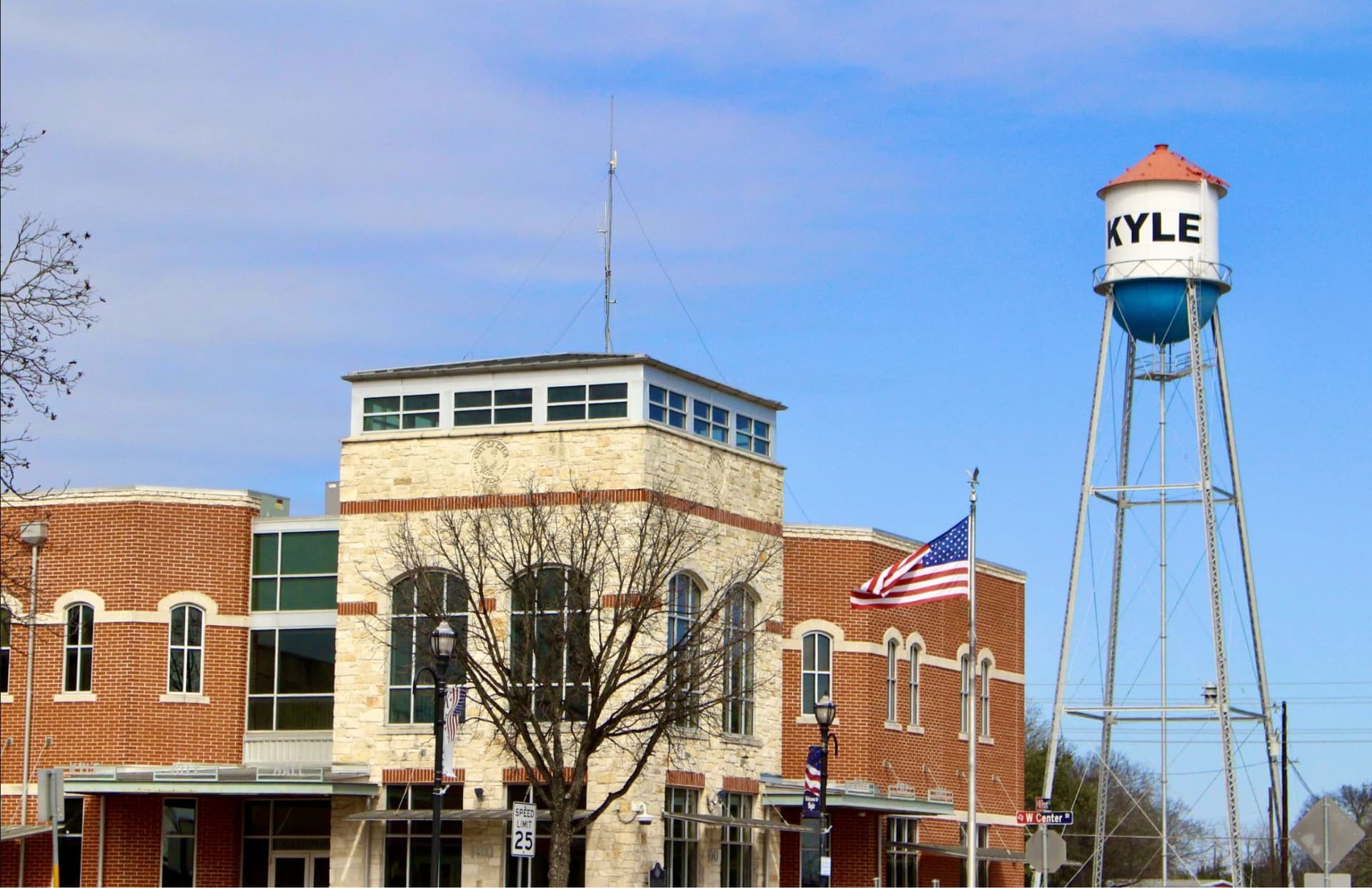
The city of Kyle is exploring the establishment of independent nonprofit foundations to support projects through private donations, grants, sponsorships and other opportunities.
During a regular meeting Aug. 5, City Council directed the Arts & Cultural Board, Library Board, Parks and Recreation Board and Train Depot Board to look into establishing independent foundations.
The big picture
The purpose of the item is to explore new ways the city can partner with the community to raise private donations, as the programs compete with essential city services for limited taxpayer dollars, according to agenda documents.
Kyle Mayor Yvonne Flores-Cale said she placed the item on the agenda due to the city's current financial constraints. The city is currently navigating through a projected $14.2 million budget deficit, according to previous Community Impact reporting.
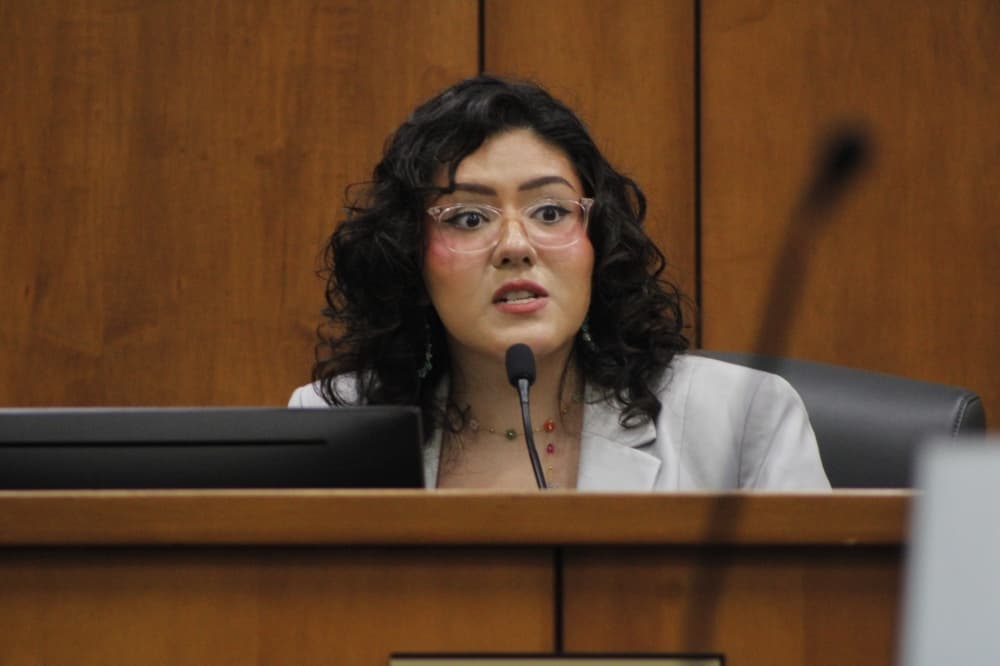
“This is an agenda item that I placed on here due to the financial constraints that we have as a city currently,” Kyle Mayor Yvonne Flores-Cale said. “My goal is long-term, so in case we ever come into this situation again, the things that we like as far as quality of life are not affected. This item is about giving our community another way to invest in the things that are important to them and to make us and make Kyle special.”
A closer look
Council members approved the item unanimously for the boards to explore the following potential uses:
- A library foundation can raise money for children's programs, makerspaces, technology, furniture, reading gardens and building expansions.
- A parks foundation can fund playgrounds, splash pads, trail amenities, park benches, trees, memorial gardens, dog parks and recreational programming.
- An arts foundation can sponsor murals, sculptures, concerts, festivals and artist grants.
- A train depot or historical foundation can raise funds to restore historic buildings, develop exhibits, preserve artifacts and host educational programming.
City staff hopes that starting nonprofits for the local organizations will help open up opportunities for the organizations the board represents. According to agenda documents, good ideas presented to the city sometimes do not move forward because they compete for funding allocated to essential city services, such as police, fire and roads.
Another viewpoint
Representatives from the Friends of the Kyle Library nonprofit, which has helped raise funding for the library for over six decades, spoke at the meeting and said that an additional library foundation would not be necessary.
“I support the goal behind this item,” said Susan Reyna, president of the Friends of the Kyle Library nonprofit. “I believe Kyle should look for additional ways to bring private dollars into our community and help fund projects and programs without relying entirely on taxpayer dollars. However, I question the need to create a separate nonprofit foundation for the library. Kyle already has an independent nonprofit organization dedicated to supporting the Kyle Public Library, the Friends of the Kyle Library.”
Reyna said the Friends of the Kyle Library is not simply an organization with the potential to raise funding; they are already actively accomplishing it.
“If our library board were to recommend creating a library foundation, it would complement, not compete, with the incredible work already being done by The Friends of the [Kyle] Library,” Flores-Cale said.
Several already established foundations in the area were cited in agenda documents as successful examples of this practice being put into place, including:
District 3 council member Claudia Zapata said it is “extremely difficult” to raise funds as a nonprofit, and she doesn’t see the city having any control over an independent 501(c)(3).
Breaking it down
City officials cite multiple ways that foundations or nonprofits can benefit Kyle:
- Accept tax-deductible donations from residents.
- Apply for grants that municipalities often cannot pursue directly.
- Receive corporate sponsorships.
- Fund public art, trails, playgrounds, libraries, museums and historic preservation.
- Build amenities sooner than would otherwise be possible.
- Reduce reliance on general fund dollars and property taxes.
Looking ahead
The boards were asked to return to City Council within six weeks with recommendations, proposed next steps and any legal or operational considerations, according to agenda documents.