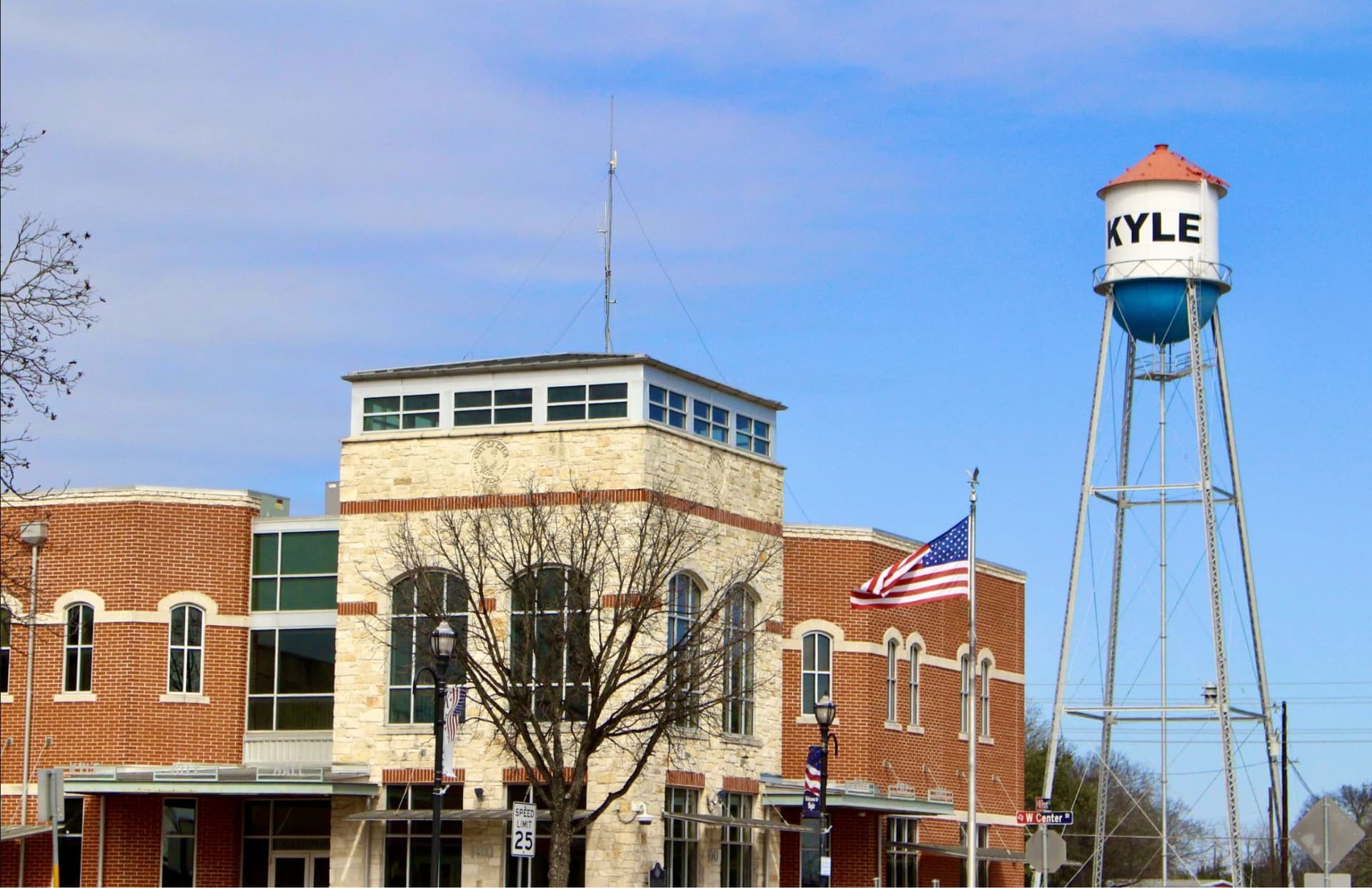
Kyle City Council received an update on the Parks, Recreation and Open Space, or PROS, Master Plan draft at a March 4 meeting, previewing what is to come for Kyle Parks.
The overview
In July 2024, City Council approved a contract with Stantec Consulting Services Inc. to update the PROS Master Plan, according to a City Council staff memo.
As a part of the PROS Master Plan, a needs assessment was done, with multiple categories in the assessment.
As part of the standard-based assessment, officials identified Kyle’s existing park classifications, which includes:
- Two neighborhood parks
- Four community parks
- One linear park
- One special interest park
However, gaps remain in athletic complexes, nature parks and preserves, and pocket parks. To meet NRPA standards, Kyle would need to add approximately:
- 13 rectangular fields
- 10 tennis courts
- Seven diamond fields
- Seven playgrounds
- Six pickleball courts
Additionally, Kyle has 10.88 acres of parkland per 1,000 residents, while the NRPA recommends 17.4, according to the city presentation. The city’s Parks and Recreation Department operates with a budget of approximately $8.6 million—below the NRPA’s recommended $12.3 million—and has 62 full-time staff members, despite the recommended 107.
Digging deeper
Another component of the needs assessment was an equity-based evaluation. According to the city presentation, this assessment found:
- Higher environmental vulnerability along the I-35 corridor
- High socioeconomic vulnerability in the lower eastern part of Kyle and throughout areas east of I-35.
- High community health vulnerability in the northeastern quadrant of Kyle
The access-based assessment identified areas with limited park access, particularly in the northern and southern parts of the city.
Another aspect of the needs assessment was resource-based, which, according to Mark Maldonado, senior principal at Stantec, involved analyzing natural and man-made features for potential barriers or burdens.
“Are there areas that aren’t being capitalized to improve connectivity?” Maldonado said.
A survey was shared with Kyle residents and asked different questions related to parks and recreation.
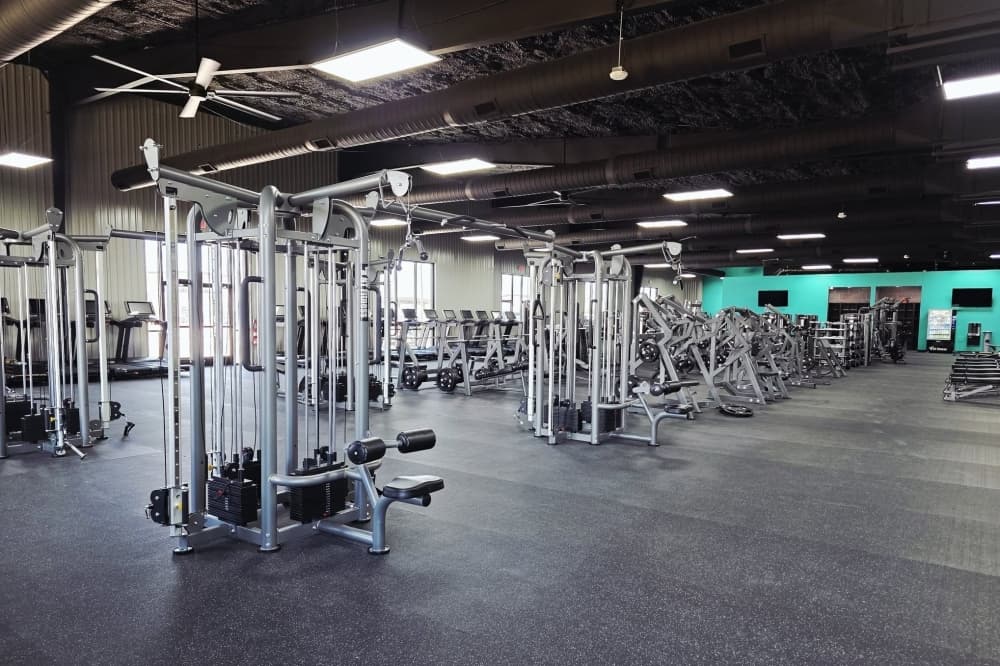
Survey results, according to the city presentation, indicated that the top amenities residents wanted included indoor sports, fitness and wellness programs, youth programming, aquatics programming and arts and crafts. Additionally, 76% of respondents emphasized the need for indoor recreation.
Trails were also a high priority, with 80% of respondents expressing a preference for trails close to home that connect to key destinations and include furnished amenities, according to the presentation.
Residents also expressed a desire for parks that highlight the natural environment and prioritized investment in existing facilities over developing new ones, according to the presentation.
What’s next
The objectives also outlined preliminary drafts of proposed improvements for several parks, including Linebarger Lake and Oso Oro Park, Seton Park and Trail, Plum Creek Preserve and Post Oak Park.
Parks and Recreation Director David Lopez said the next steps involve gathering additional public feedback and creating more opportunities for community engagement. He added that the goal is to develop a “quasi-final” version of the master plan for review and recommendations from city leadership.
“People want to use parks, they’re passionate about what they have here and they’re very appreciative, but there’s area for improvement,” Maldonado said. “The tricky thing about these plans, while they might be very visionary, ...we also have to address the needs of today.”
Maldonado added that Stantec anticipates concluding its work by late April or early May, with City Council adoption expected in April, according to the presentation.
“It’s clear you’re taking a comprehensive approach, so I’m very thankful for that and I’m looking forward to that draft coming where we can really start to see some of the nuances of what you’re talking about,” Mayor Travis Mitchell said.