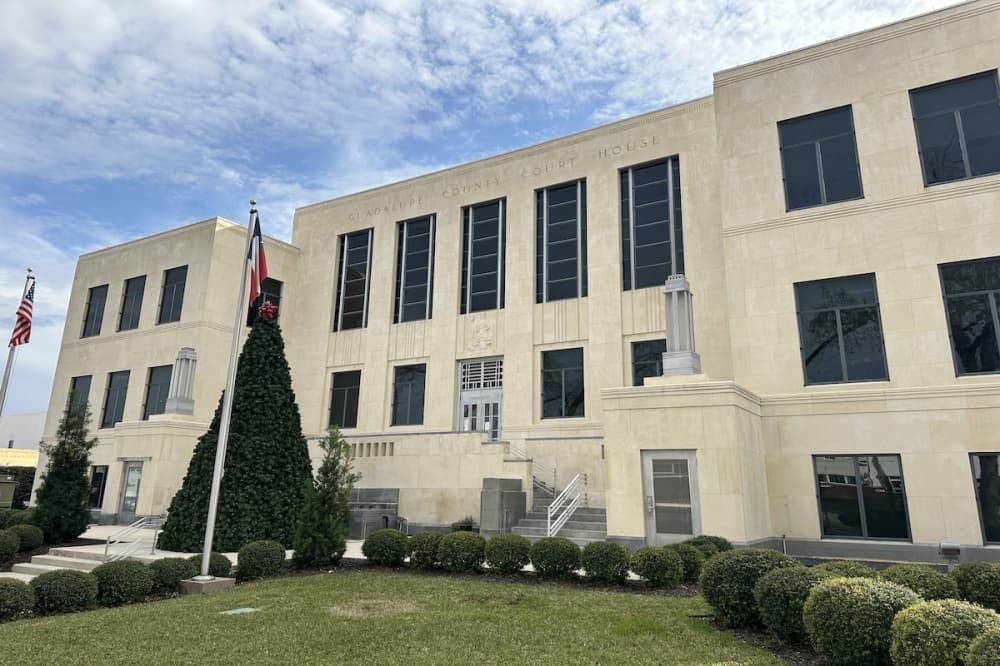
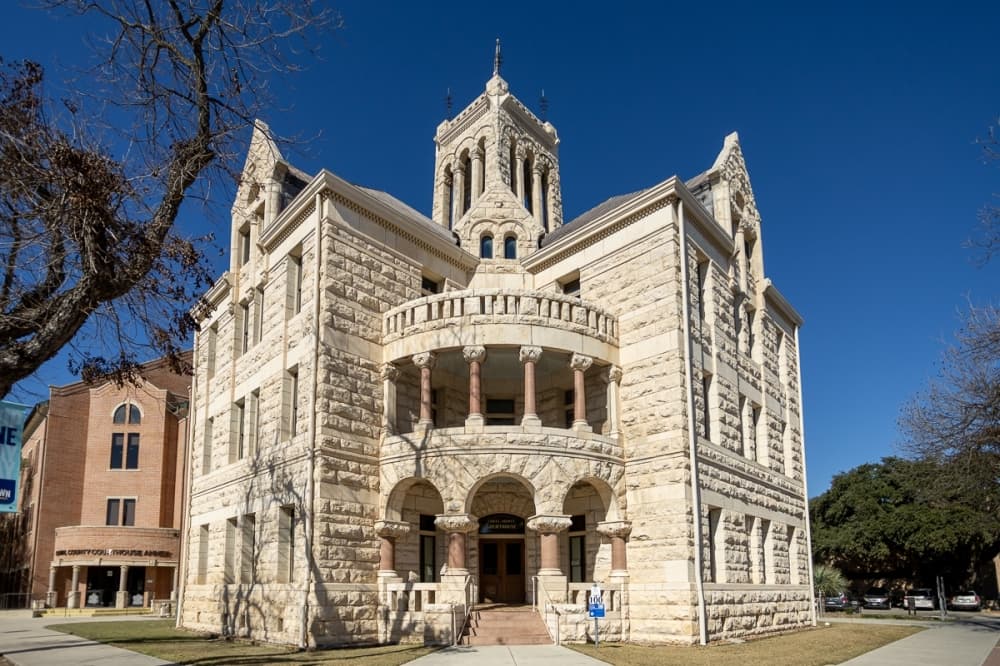
In a 3-2 vote, Guadalupe County Commissioners voted against a $500 million property tax abatement for a multibuilding data center campus with CloudBurst Texas on Feb. 24.
Guadalupe County Judge Kyle Kutscher and Precinct 2 Commissioner Drew Engelke voted in favor of the tax abatement. Precinct 1 Commissioner Jacqueline Ott, Precinct 4 Commissioner Stephen Germann and Precinct 3 Commissioner Jim Wolverton dissented.
A Chapter 312 tax abatement was the tax break under consideration by commissioners. A Chapter 312 tax abatement is an agreement between a taxpayer and a tax unit that exempts increases in property value taxation for up to 10 years. It is an economic development tool available to counties, cities and special districts to attract new industries, according to the Texas comptroller’s website.
What we know
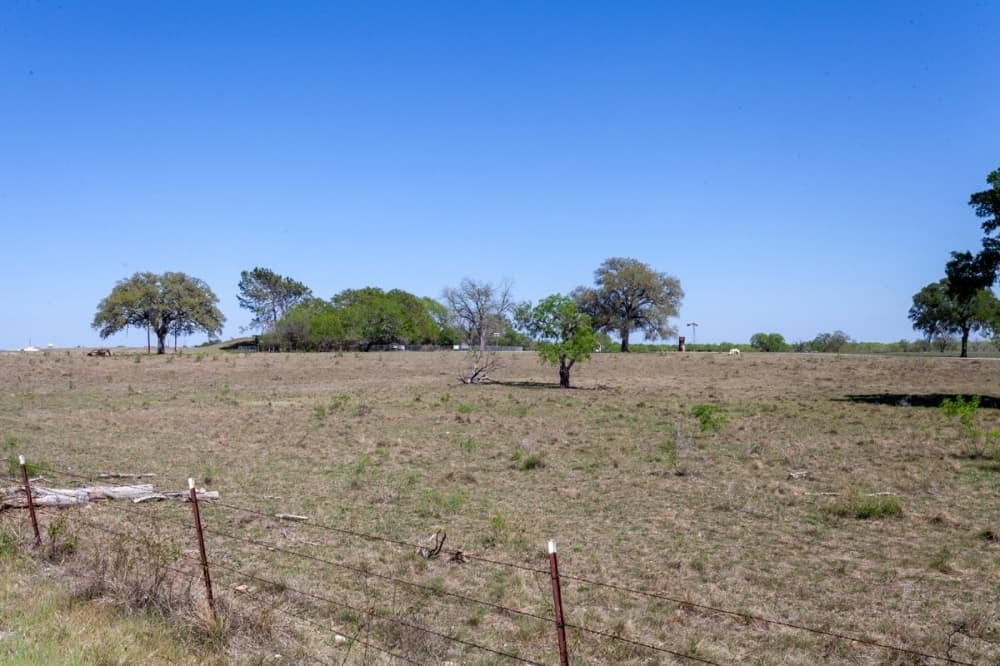
The data center would span across 16 properties and be about 220 acres. The center would be located at 2955 Francis Harris Lane in New Braunfels. Approximately 142.5 acres are in Guadalupe County, and the remaining 77.5 acres are located in Hays County, according to agenda documents.
The data center campus would be composed of 12 artificial intelligence buildings across 3 million square feet, said Cynthia Thompson, co-founder and executive chair of CloudBurst, during her presentation to the commissioners.
“We’re a small company trying to build a data center here, locally in Texas,” Thompson said.
The data center’s unnamed tenant would sign a 15-year lease agreement with the option to renew the lease for an additional five years. CloudBurst officials were seeking the Chapter 312 tax abatement to close out their funding and sign their tenant, Thompson said.
If approved, the data center would provide 480 jobs at full build-out and use 24,000 gallons of water per day, according to the meeting presentation. The data center would also generate $1.22 billion in tax revenue for Guadalupe County, according to the presentation.
Thompson said they are also having conversations with Texas State Technical College and Texas State University on training programs. She also said they try not to strain community resources.
“We will not be pulling from the local grid, so all of our generation will be behind-the-meter using both turbines and fuel sales,” Thompson said. “The generators we use, use no water.”
The proposed tax abatement agreement did not have several fields filled out, including the section inquiring about environmental factors, which asks a question about whether or not the project is over the Edwards Aquifer Recharge Zone, according to agenda documents.
What commissioners are saying
Kutscher said the data center could have an overarching benefit to the county and he does not think it should be denied. He also said counties are regulated by the state and do not have land-use authority like cities do.
“We do not get to pick and choose what we want to see on a property,” Kutscher said. “We have been inundated with residential development as one of the fastest growing regions in the state of Texas and in the country for some time now.”
Kutscher also said counties were not allowed to put moratoriums on development.
“I know a neighboring county came out and said that. That’s a great soundbite; we cannot do it,” he said.
Germann said he could not support a tax abatement for the proposed data center until he saw the amount of water the data center would use in writing.
“As a commissioner, I say we are out of water. OK? That's the bottom line. We are out of water. If anyone wants to argue with me, talk to the farmers about their wells going dry,” Germann said.
Ott said she is not anti-AI data center, but it was concerning not to have all the information before the meeting presentation.
“I’m not comfortable approving that without having been afforded the time to look at those details and make what I think are appropriate research decisions and comparisons,” Ott said.
Public input
Seguin resident Barbara Thexton said she was skeptical of the data center.
“I have a problem with a tax abatement, frankly, when I pay my taxes out of a fixed income,” Thexton said.
Cibolo resident Richard Ashcraft asked what the cooling method would be for the water at the data center and whether data centers would get priority on water during a shortage.
“In my opinion, tax abatement is reckless given the enormous strain [it will] put on the county and its citizens. We do not have enough water to support this,” Ashcraft said.
Charles McDonald, a small-business owner and farmer in Seguin, said he had concerns about the data center and its water usage.
“Over the past few years, we’ve consistently seen our well drop, and it’s not been rising back up; it keeps going down and down. I have had several neighbors have their wells go dry and needing to have new wells put in,” McDonald said.