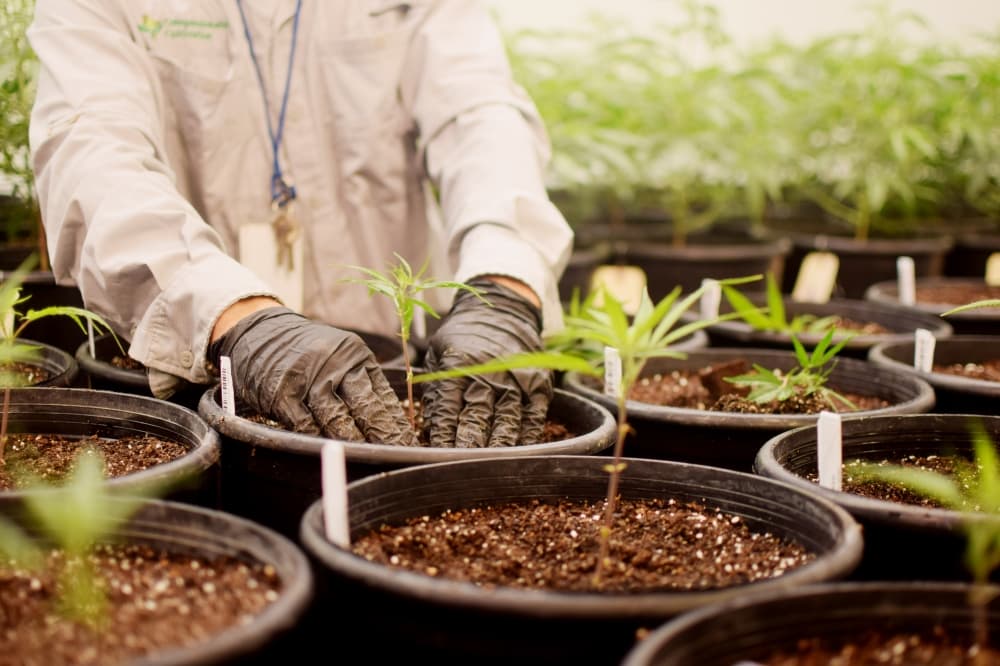
Nine new medical cannabis dispensaries could soon open in Texas, the Department of Public Safety announced Dec. 1.
The nine companies, three of which currently operate in other states, were given conditional licenses in an effort to expand the Texas Compassionate Use Program through House Bill 46, a state law passed this spring. Under the program, physicians can prescribe medical-grade, low-THC products to eligible patients in partnership with licensed dispensaries.
How we got here
During this year’s legislative session, some Texans said the 10-year-old program did not help enough people, citing barriers to patient access and limits on the types of medication physicians could prescribe. Since the program’s inception in 2015, just three dispensaries—Texas Original, Goodblend and Fluent—were licensed to provide medical cannabis products.
Under HB 46, Texas is on track to have 15 licensed medical cannabis dispensaries as soon as April. DPS issued nine conditional licenses Dec. 1 to companies that had previously applied to join the program, and it will select three first-time applicants by April 1, according to an August news release. Applications to become a TCUP provider closed in September.
Texas lawmakers added chronic pain, Crohn’s disease and terminal illnesses to the list of conditions that qualify patients to join the program. Other qualifying conditions include epilepsy, cancer and post-traumatic stress disorder. As of Sept. 1, when HB 46 took effect, doctors received the authority to prescribe additional types of medication, including inhalers and vaping devices, Community Impact previously reported.
Dr. Matthew Brimberry, an Austin physician who is licensed to prescribe medical cannabis, told Community Impact in April that edible and topical cannabis medications are not effective for some patients.
“On average, [an edible product] takes about 45 minutes to an hour to initiate, and then it lasts for about four to six hours,” Brimberry said in an April 25 interview. “If you have somebody with extreme nausea, it's going to be very difficult for them to take something orally. If you have somebody with tremendous muscle spasms and they need to make it from their car to an event or to their house, they can't wait 30 to 45 minutes for the medicine to start working.”
HB 46 also allows licensed dispensaries to create satellite locations to store medical cannabis products overnight, which advocates said will allow more patients to receive medications on the day they order them and “dramatically reduce” costs.
“This expansion is an important step toward broader patient access of medical cannabis across Texas,” Texas Original CEO Nico Richardson said in a statement. “With these new licenses, the broader list of qualifying conditions and new treatment options allowed under HB 46, patients gain more choices—new formulations, consistent dosing and better delivery methods—so they get the care they need.”
What’s happening
The nine providers given conditional licenses Dec. 1 are:
- Verano Texas LLC in West Texas
- Trulieve TX Inc. in the Panhandle
- Texas Patient Access LLC in North Texas
- Lonestar Compassionate Care Group LLC in North Texas
- Lone Star Bioscience Inc. in South Central Texas
- PC TX OPCO LLC, [doing business as] PharmaCann, in Southeast Texas
- Texa OP, [doing business as] TexaRx, in the Rio Grande Valley
- Story of Texas LLC in Southeast Texas
- Dilatso LLC in North Texas
The new companies must pass a final “due diligence evaluation” from DPS before they can cultivate, manufacture, distribute or sell low-THC cannabis medications, according to a Dec. 1 news release. DPS said it will look into each company’s finances, litigation history and past disciplinary actions before awarding official licenses.
“DPS will be requesting additional information from these businesses and will not be invoicing any dispensing organization license fees until the additional due diligence evaluations are completed and passed,” the state agency said in the release. “The announcement of these nine businesses today does not guarantee that these businesses will be issued final TCUP licenses to operate as dispensing organizations.”
Three of the approved companies currently operate in other states, according to their websites. Chicago-based Verano owns over 150 dispensaries in 13 states, while Florida-based Trulieve operates in nine states. PharmaCann, which is also based in Chicago, has locations in seven states.
Also of note
Under HB 46, Goodblend, an Austin-based medical cannabis dispensary, said it was approved to store products overnight at its North San Antonio location beginning Dec. 1.
The change allows Goodblend to offer same-day pickup and in-store shopping in San Antonio instead of returning all unclaimed products to Austin daily, the company said in a Dec. 1 news release. The company will also begin delivering medical-grade cannabis products stored in San Antonio to customers in 18 South Texas counties, according to the release.
“With overnight storage in San Antonio, we’re no longer racing the clock to get back to Austin,” Goodblend Texas Market President Nicholas Fallon said in a statement. “We can spend that time reaching more patients, in more communities, with faster and more reliable access to the medicine they depend on.”
One more thing
The expansion of Texas’ medical marijuana program comes as state agencies move forward with regulations on the state’s multibillion-dollar consumable hemp industry, through which recreational THC products are sold at over 8,000 Texas retailers.
The Texas Alcoholic Beverage Commission advanced a set of permanent rules designed to prohibit the sale of intoxicating THC products to minors Nov. 18, with commissioners slated to vote on the adoption of those rules in January.
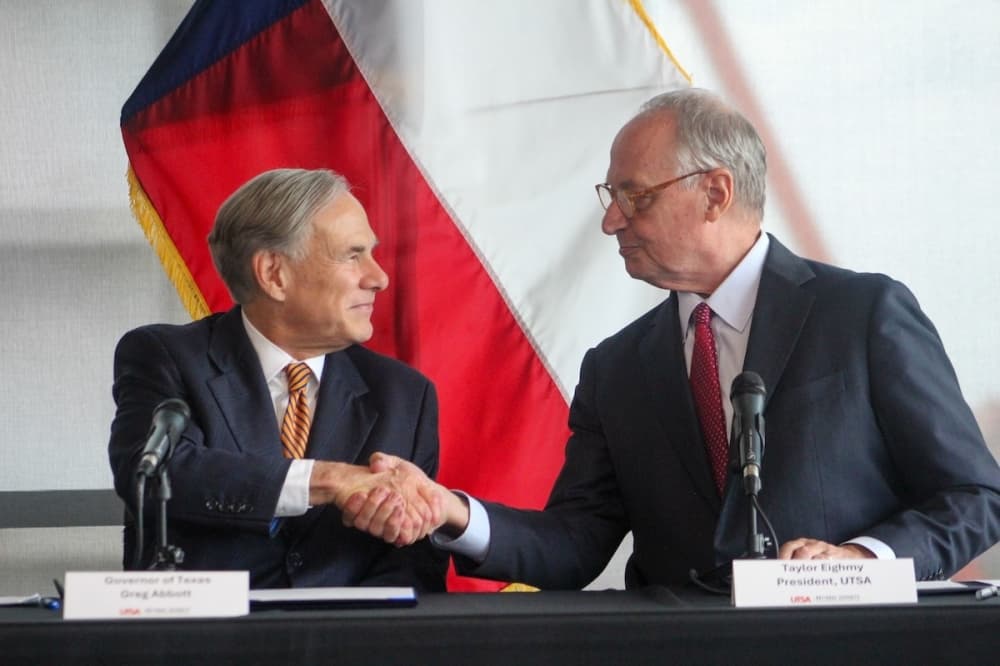
The rules are the result of a September executive order by Gov. Greg Abbott, who previously vetoed an outright ban on recreational THC products. Following Abbott’s veto, Lt. Gov. Dan Patrick, who pushed for the ban, called the medical cannabis expansion “worthless.”
“We passed maybe the best [medical cannabis] program to address those with PTSD, cancer, Crohn's disease,” Patrick told reporters June 23. “Who's going to go there now when they can go to any smoke shop and get what they want?”
As Texas moves to regulate recreational THC, the U.S. Congress recently approved a ban on most consumable THC products, which is set to take effect in November 2026, as part of a funding package that ended the recent federal government shutdown.
Under the federal funding legislation, hemp-derived products containing more than 0.4 milligrams of THC, a psychoactive substance, will be banned next November. Cannabis policy experts, however, told the TABC on Nov. 18 that they did not believe the impending federal ban was final, Community Impact reported.
The federal legislation does not directly address state-run medical cannabis programs. Texas law stipulates that licensed medical cannabis providers dispense “low-THC cannabis... that contains not more than 10 milligrams of tetrahydrocannabinols in each dosage unit.”