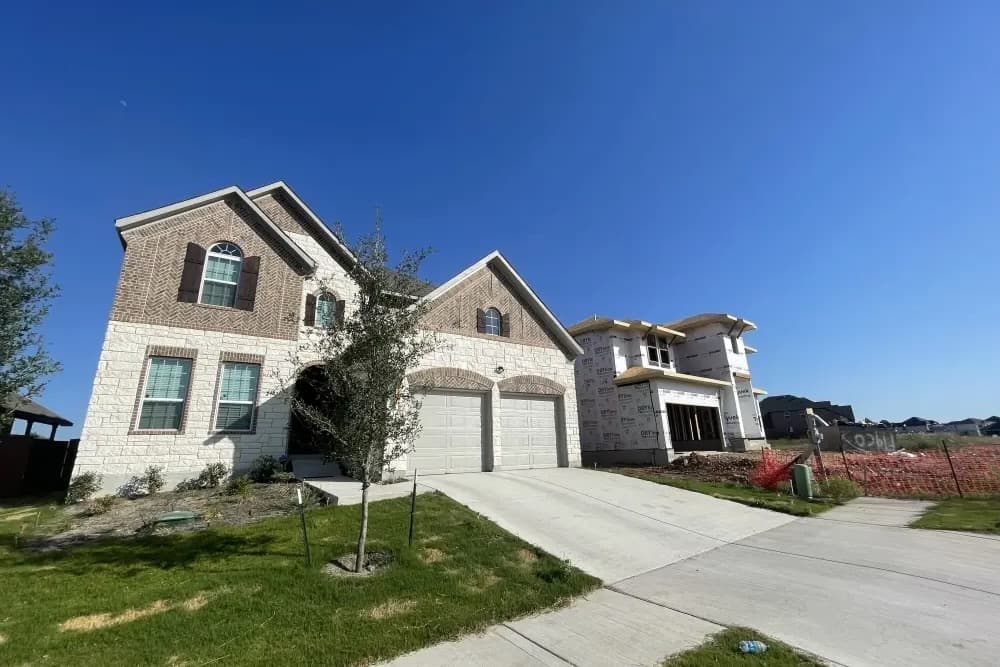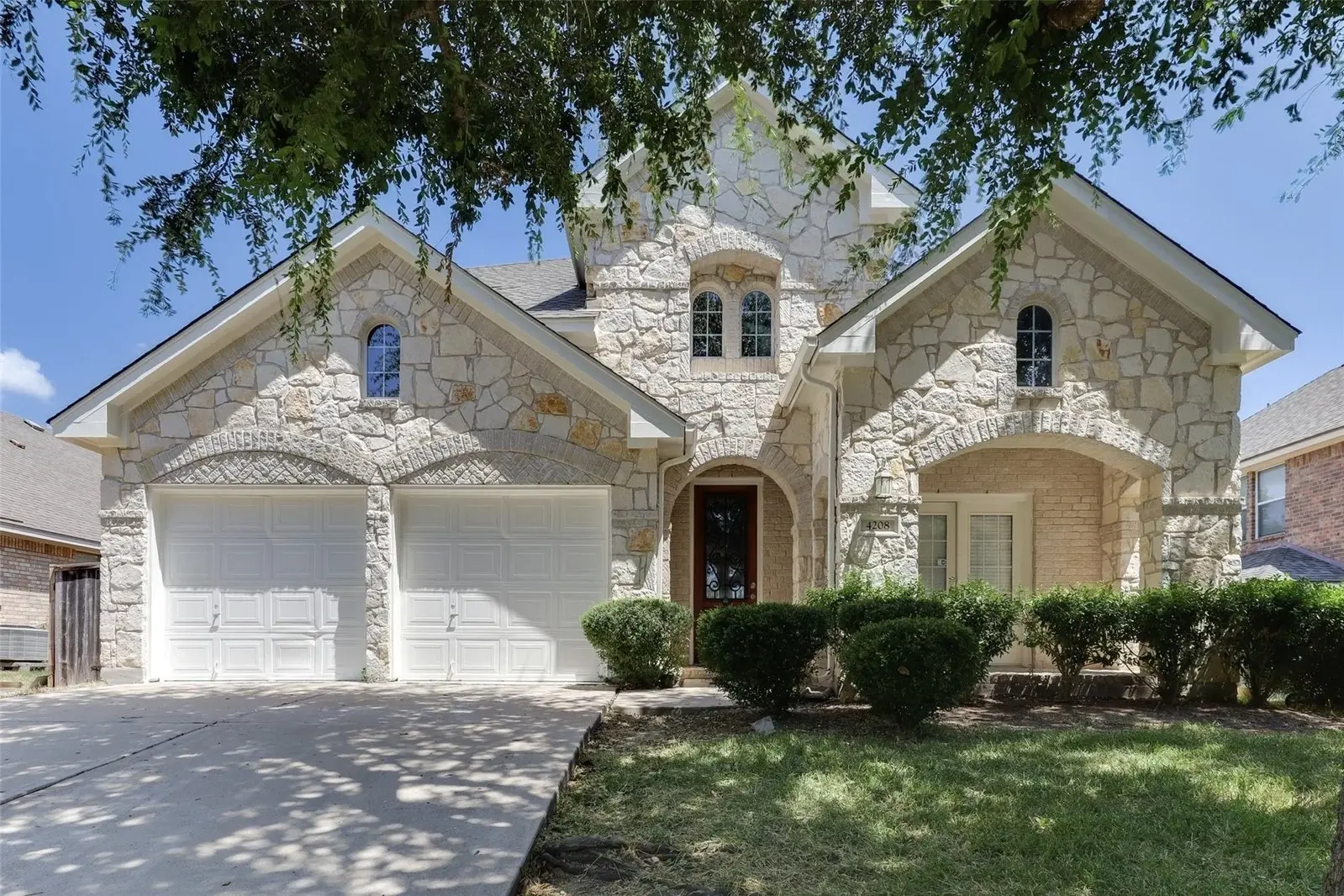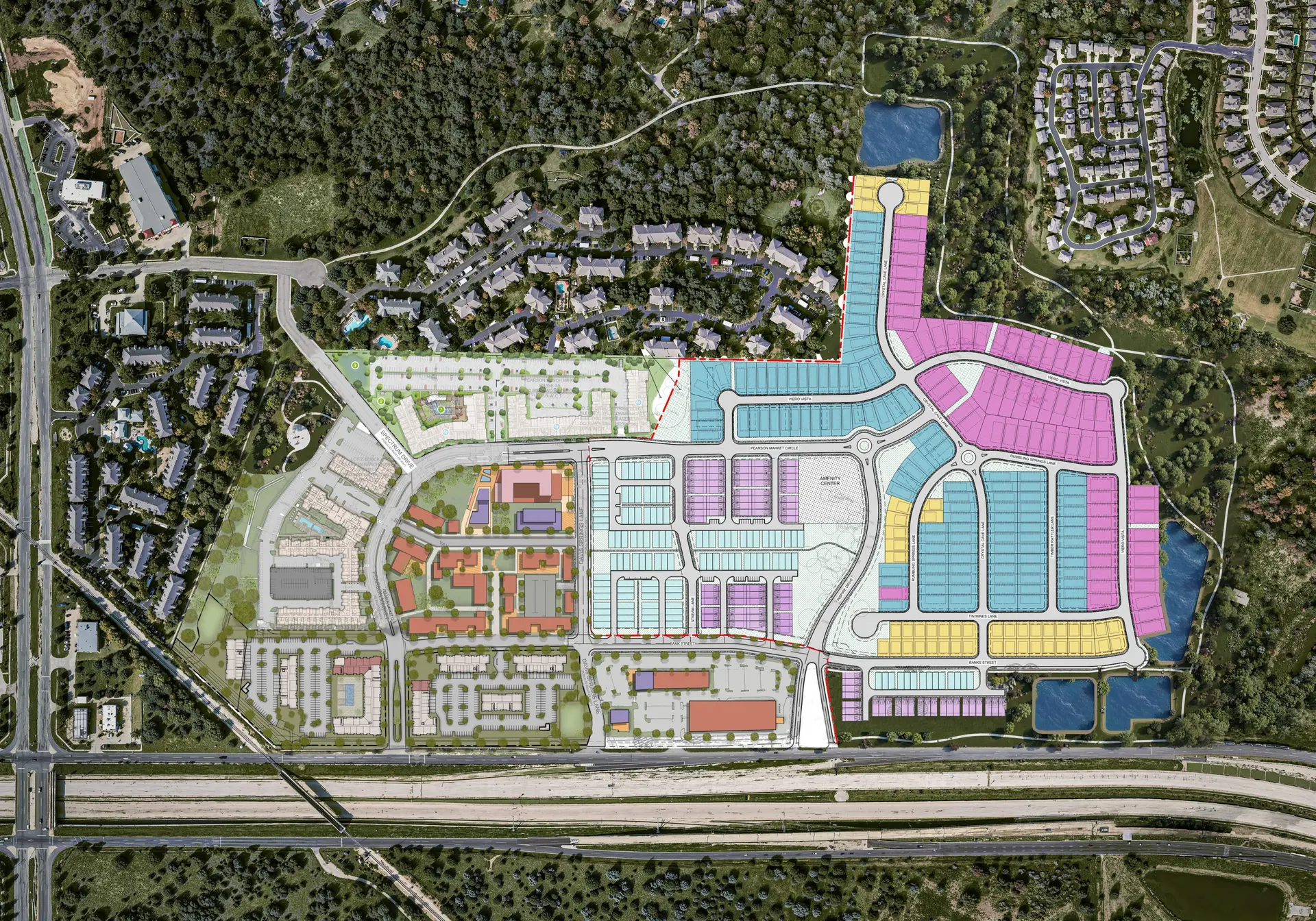
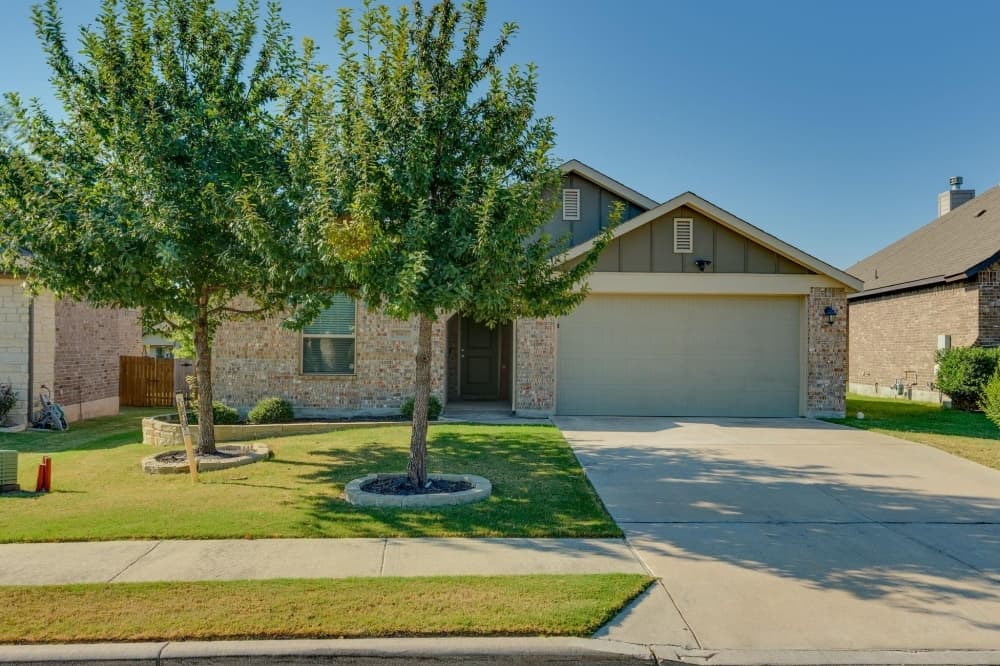
Homeowners Associations govern residential communities by enforcing rules to maintain property values and common areas. (Courtesy Unlock MLS)
Round Rock is home to dozens of Homeowners Associations, which Austin-area HOA management expert Peggi Brannon said play a role in a homeowner's personal investment in their property value. She shared what current and prospective homeowners should know about living in a neighborhood with an HOA.
The big picture
HOAs most benefit homeowners by helping property values appreciate, Bannon said.
“That investment is based off of what’s around me,” Bannon said. “How my neighbor's property looks, because that encourages a potential buyer; the location; the look and the aesthetic of the community; how many amenities it offers. It all is valued based off of my individual property values. So the benefit is that you've got a baseline contract with all of your neighbors that we're all going to maintain the same standard of care, so we can all keep our property values growing and our net worth growing. It’s equity. It’s an asset.”
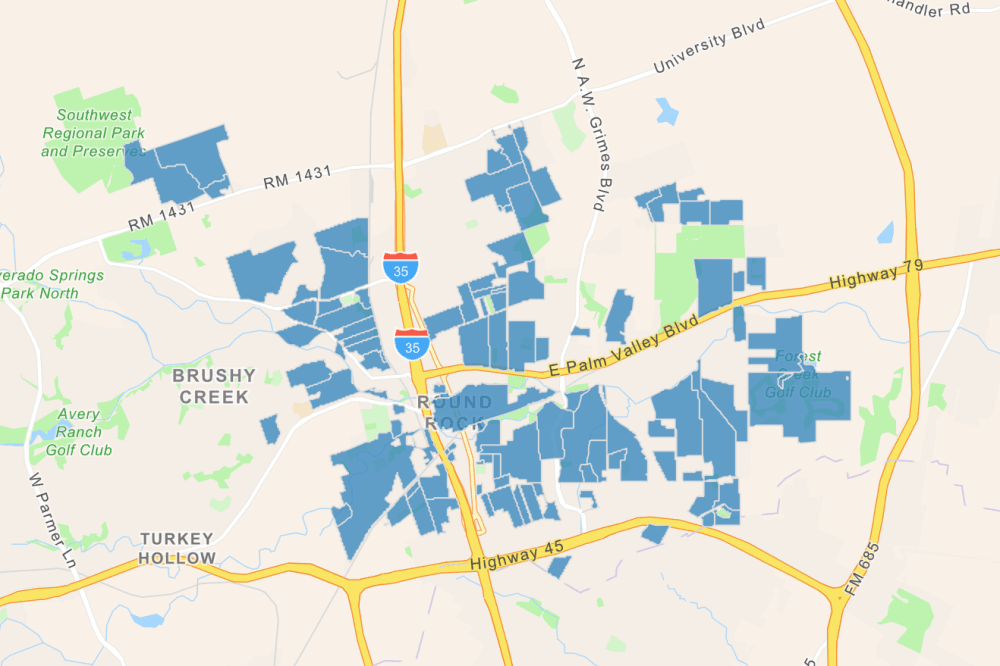
Dozens of Round Rock neighborhoods have HOAs. (Screenshot from city of Round Rock GeoHub)
In any HOA there will be provisions surrounding things such as trash can visibility, landscaping, exterior house maintenance and parking, Bannon said. However, most of the HOA declarations, which bind homeowners to these rules, are in line with code compliance of city ordinances.
“The city has designations on how the lot can be constructed, what the lot limitations are and what the residential community needs to look like based on the ordinances that city council passes,” Bannon said. “If you take a declaration and you look up the city codes for single family residential and you look at the use restrictions in the declaration and compare it to the city council codes, they almost marry each other.”
Homebuyers typically receive the declaration during the closing process, but Bannon said buyers should ask to see the declaration restrictions before signing, or find them in county records.
Diving in deeper
There are several factors that go into determining HOA fees, Bannon said, including what land the neighborhood is built on and the association’s “cost of doing business,” such as pool or landscaping costs, legal fees for violations, and maintaining infrastructure such as roads within the community.
“You're part of an incorporated business, and because of that, you're responsible to the insurance for the liability and the commercial replacement of all the property,” Bannon said. “The reason why the association gets to say what they can and cannot do on a property owner's property is because everybody's property is affected by the way that everybody else's property looks. If they install something that's a liability that's going to cause future damages down the road to other properties, it stops them from being sued for hundreds of millions of dollars.”
HOA management companies also don’t hold any decision-making power, Bannon said. Instead, associations are governed by resident-elected board members, and decisions—including violations—are usually made by a majority vote.
Board members are also required to follow state law and act in the community’s best interest just as any other commercial board would, Bannon said.
“What homeowners fail to understand is that once [an HOA is] incorporated into a business, it is a commercial business and you have to operate off of commercial codes and compliance in accordance with the state of Texas,” Bannon said. “Yes, it's your backyard, but we're still responsible.”
In other news
When the Texas Legislature meets every two years, people submit various bill changes and new laws circling around what HOAs can or cannot do, Bannon said.
Some of the changes in recent years have included lessening restrictions on homeowner’s religious displays, and implementing a policy that prevents HOA board members and Architectural Control Committee members from being married or living in the same household in order to “even out the governance of power.”
“When the laws change, the legislation mandates that the policies are adopted by the board to match,” Bannon said. “The homeowner is not going to go to the Texas ordinance and read the ordinance. They’re going to go to their own documents, so they want everything to match.”
Per the Texas HOA Law, a few HOA governance changes were made during the 2025 Texas Legislative session, including:
expanded protections for the installation of solar energy devices, including solar roof tiles
prohibiting fines related to lawn maintenance during water restrictions or drought periods, and for 60 days after
requiring electronic ballots, absentee ballots or voting by proxy to be allowed at membership meetings