Round Rock ISD employees will not receive pay raises and will likely see higher health insurance costs starting in January, after voters rejected a measure to increase the tax rate in November.
Round Rock’s tax rate election was one of many across the state voted down, as previously reported by Community Impact.
What’s changed
The school board is set to ratify an updated tax rate of $0.8884 per $100 of valuation Nov. 19, without the six cents the district asked voters to approve for employee pay raises.
If passed, the measure would have funded a 2% general pay raise for all employees, increased starting teacher pay to $58,000 and addressed pay compression throughout the district.
Under House Bill 2, the school funding bill that came out of the 89th Texas Legislature, teachers in their third and fifth years of service will still receive statutorily required compensation increases.
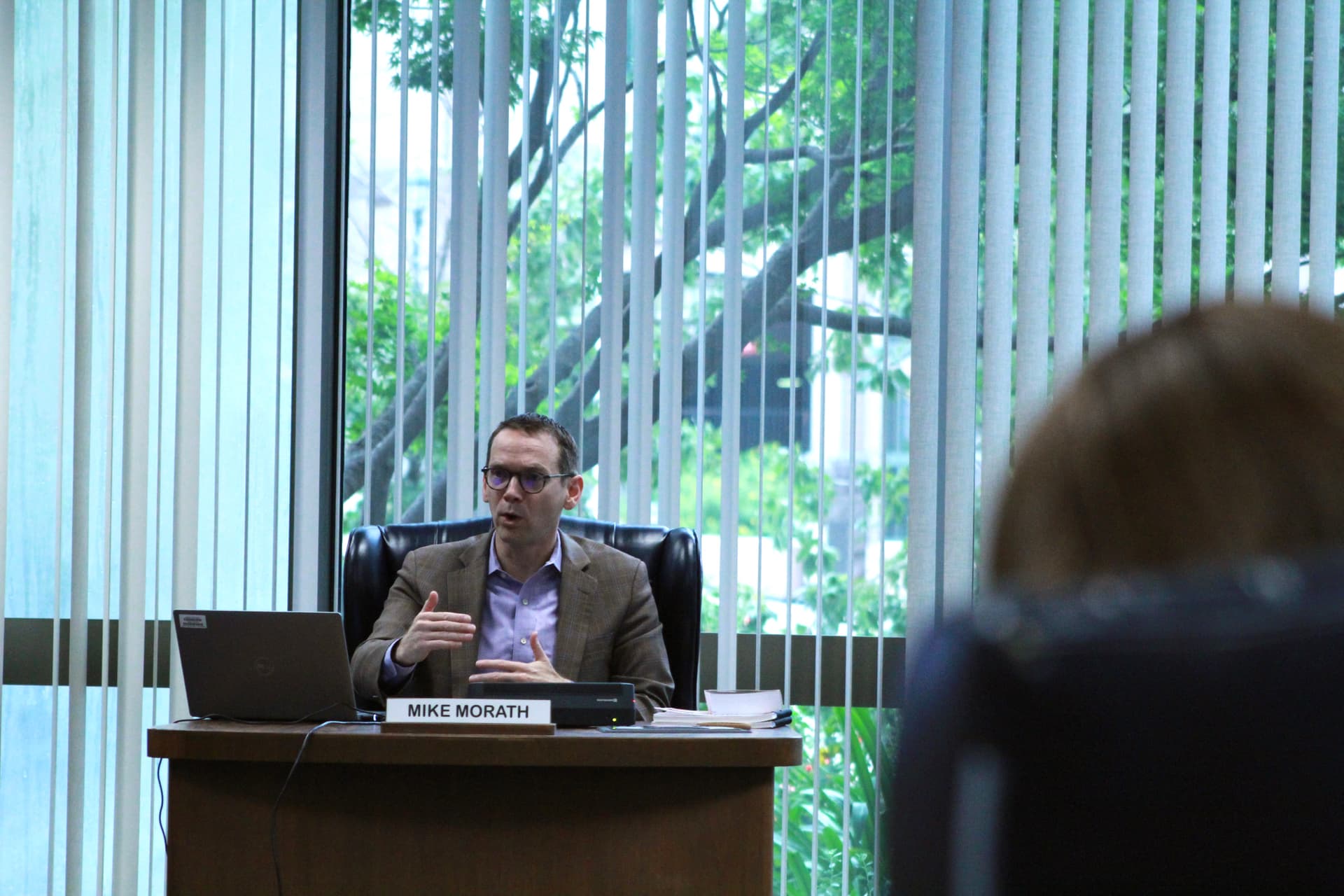
Superintendent Hafedh Azaiez said RRISD will postpone discussions of changing its healthcare plan until 2027, to give administrators more time to analyze the costs and benefits of the program as well as acquire feedback. The district will have until June to decide whether to join the state’s healthcare plan, which would take effect Jan. 1, 2028, if the board chooses to take that route.
Azaiez said 3% of the roughly $30 million in additional tax revenue that would have been generated by the higher tax rate was earmarked to offset higher insurance costs.
“Unfortunately, now that it didn't pass, obviously our staff won't see that relief,” Azaiez said.
Some context
All but one of sixteen funding packages in Community Impact's coverage areas throughout the state were voted down, unofficial election results show.
"This was an affordability election all around," said Shannon Halbrook, who leads fiscal policy research for the progressive think tank Every Texan. "Voters were thinking about the affordability crisis in this election. It explains why they voted for such a dramatic change in state leadership, and I think it explains why voters were also reluctant to approve these [tax rate elections] and bonds, which essentially represent tax increases."
In the last decade, RRISD has held two bond elections and two tax rate elections. Both tax rate elections were focused on increasing compensation for employees. Of those four measures, this year’s is the only one to have failed.
What’s next?
The district called the tax rate election to increase compensation after finding itself unable to pay raises out of its fund balance.
Azaiez said the district has already identified $14 million in efficiencies for the 2026-27 school year, without layoffs. His staff is in the process of identifying another $4 million in reductions with the goal of balancing the budget and reducing reliance on the fund balance.
“Whenever a position becomes available, we ask if somebody else can do it,” Azaiez said. “Can we split the work? Or can we live without it?”