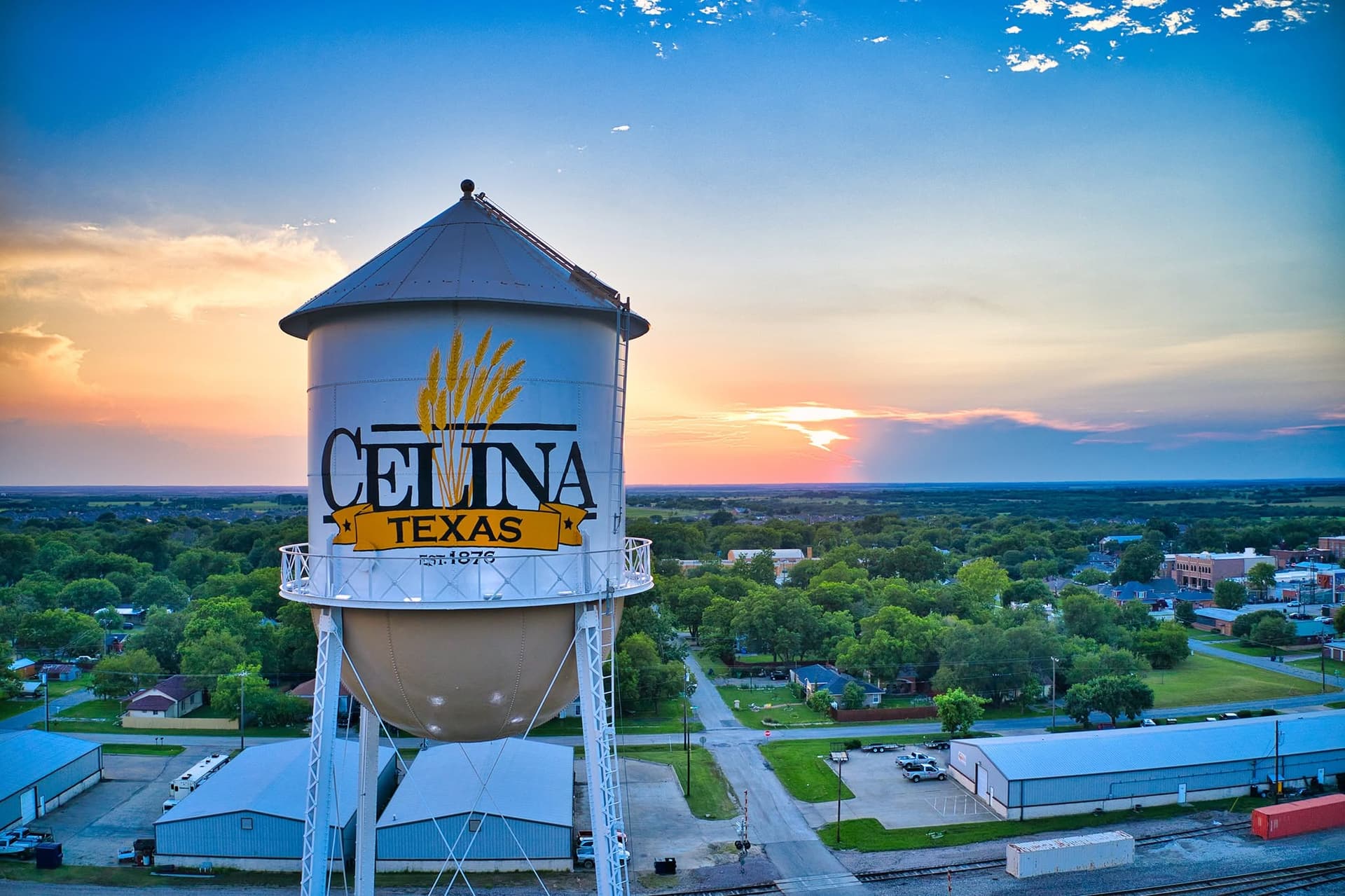
Celina's Stage 2 water conservation measures have remained in place since July 2. (Courtesy city of Celina)
Celina residents have seen increased water use restrictions since July 2, when Stage 2 of the city’s water conservation measures went into effect.
Stage 2 includes temporary restrictions on irrigation, recreational water use and landscaping for Celina residents, per the city’s website.
The water conservation measures serve to reduce consumption when there is a drop in supply or a rise in demand, according to the city’s ordinance.
“Our goal with conservation is to conserve, not restrict,” Assistant Manager Kimberly Brawner said at a Sept. 8 Celina City Council meeting.
As North Texas heads into fall, officials hope the end is in sight for Stage 2 water use limits, Brawner said.
What residents need to know
Under Stage 2, Celina residents are only permitted to water their lawns once a week based on the last digit of their address and watering is prohibited between 10 a.m.-6 p.m.
Courtesy city of Celina
Hand-held hoses, drip irrigation or soaker hoses can be used on landscaped areas or building foundations for up to two hours daily.
Water-based activities that can create waste, like washing cars or running lawn fountains, are also prohibited under Stage 2.
The consequences
Residents who do not comply with the city’s Stage 2 restrictions receive three warnings from the Public Works department before receiving a citation from the Celina Police Department, according to Brawner’s presentation.
As of Sept. 8, city staff issued more than 5,000 warnings related to water conservation. City staff logged 998 repeat violators, or people who continue to violate the city’s water conservation policies even after a two-week grace period.
The city resolves the vast majority of water conservation violations through voluntary compliance, Brawner said.
As of Sept. 15, city staff issued 31 citations to people who failed to comply after the first three warnings, according to a city representative.
Residents who receive a citation will have their irrigation meter shut off and must pay a fee to have it reconnected, according to Brawner’s presentation.
Citations may also result in a fine of $500-$2,000, per the presentation.
The cause
Celina’s water woes stem from a combination of regional and local factors.
Based on measurements taken at Dallas Fort Worth International Airport, Dallas-Fort Worth has gone 62 days without measurable rain as of Sept. 15, making this summer “one of the hottest and driest ever,” according to the National Weather Service.
This year’s unusually arid summer comes as Celina officials are already fighting to secure enough water to accommodate the city’s rapid growth.
As of Sept. 8, the city’s water use had exceeded its subscription from the Upper Trinity Regional Water District on 20 days in 2026, according to Brawner’s presentation.
Even after Celina increased its subscription from 10.5 to 11 million gallons per day in August, the city still had days where maximum usage exceeded the subscription, per the presentation.
With Celina’s population growth projected to continue, officials expect the city’s water demand to continue increasing, Brawner said.
What’s being done
Lake Ralph Hall, an Upper Trinity Regional Water District lake project in Fannin County, wrapped up major construction and began to fill with water earlier this summer, according to a July news release from the water district.
The lake is set to begin limited water delivery by the end of 2026, according to the project’s website.
While future water deliveries from Lake Ralph Hall will help increase Celina’s water supply, officials are still looking for other ways to provide enough water for the city’s growing population.
“Finding additional water sources outside of Lake Ralph Hall is City Council’s #1 priority objective in our strategic plan,” Mayor Ryan Tubbs said in a post on social media.
Next steps
Celina officials hope to lift the Stage 2 watering restrictions in late September or early October, when plants go dormant and the average daily demand for water drops, Brawner said.
Once officials lift Stage 2 restrictions, conservation measures will revert to Stage 1 unless otherwise specified, according to the city’s water conservation ordinance.
Under Stage 1, residents are encouraged to voluntarily limit water use by watering their lawns no more than twice a week, per the city’s website.
Airport updates, KFC: Check out 6 trending Dallas-Fort Worth stories