Celina’s landscaping could be getting a makeover as city officials consider new regulations intended to conserve water.
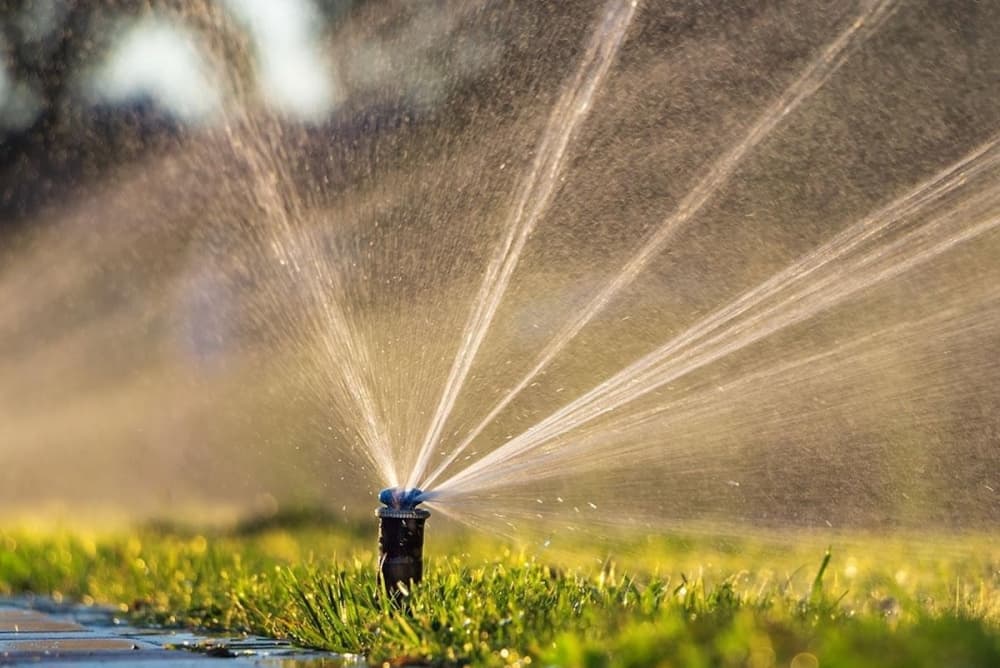
Roughly 50% of Celina’s water during peak summer heat goes to outdoor watering, Director of Development Services Dusty McAfee said.
Potential regulations largely focus on the use and irrigation of turf, which is often watered using systems that are less efficient than the bubblers and drip irrigation used to water trees and shrubs, he said.
The Celina Planning and Zoning Commission discussed possible changes to multiple areas of the city’s code, including ordinances regarding zoning, subdivisions and engineering design standards, at a June 18 meeting.
A closer look
Based on the commission’s discussion, the city’s approach to water conservation will not be a one-size-fits-all solution.
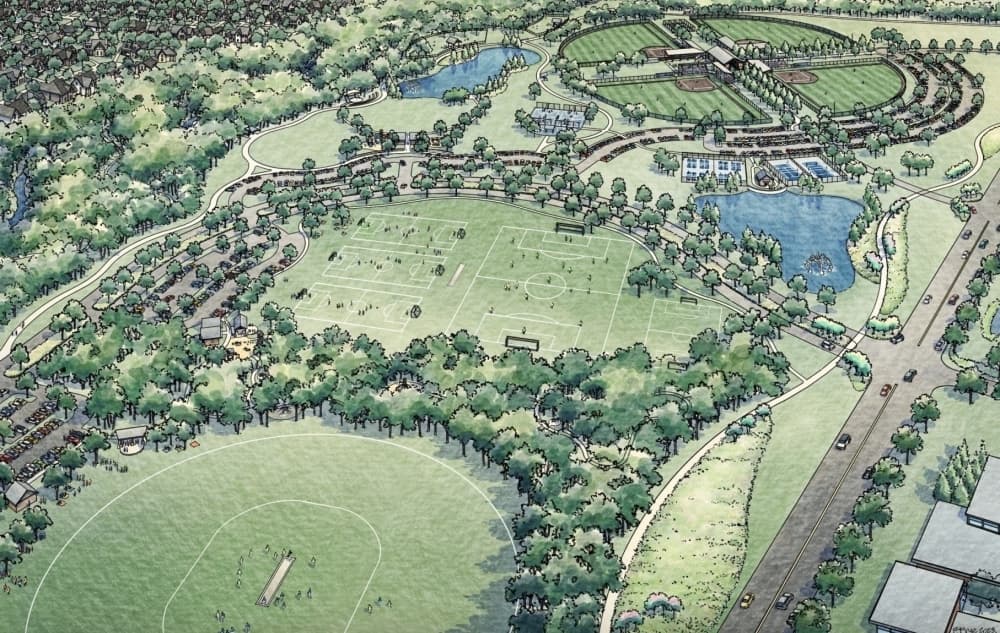
Commissioners favored different regulations for commercial and residential areas, and staff is also working to define potential exceptions for areas like sports fields or parks where turf serves a distinct purpose, McAfee said.
A major alternative to watered grass is xeriscaping, a landscaping style that replaces turf with drought-tolerant plants and gravel.
The commission also considered other alternatives, such as artificial turf, native grasses or allowing grass to be planted but not watered.
Other cities in the region allow xeriscaping but don’t require it, McAfee said.
“Any steps in this direction would be Celina leading the way,” he said about mandatory xeriscaping.
The context
The discussion is part of Celina City Council’s broader push to conserve water as supplies catch up to the city’s growing population.
Over the next decade, Celina expects to more than double its water purchases from the Upper Trinity Regional Water District, the city’s water supplier, according to a study by Plano-based engineering consultant Willdan.
“That’s where I think the state has kind of failed, encouraging all this growth but not taking care of the regional water supply,” Commissioner Jason Laumer said.
Council recently approved new design guidelines prohibiting turf in future medians, and the city enacted Stage 2 water restrictions July 2 as the peak summer season stretches the city’s water supply.
Additional water supply will help address Celina’s water capacity issues, but building new lakes can be lengthy and costly, commissioners said.
Lake Ralph Hall, a UTRWD lake project set to increase Celina’s water supply, is expected to begin limited water delivery later this year and be fully operational by 2027, according to the project website.
The other side
City staff does not anticipate broad support for xeriscaping requirements from the builder and development community, McAfee said.
Although xeriscaping requires less water use over time, there is often a higher upfront cost to install materials like river rocks compared to traditional sod, he said.
Commissioners favored measures that would accommodate developers, like introducing new regulations gradually or encouraging water-efficient design instead of making it mandatory.
Staff sent out a survey to builders and developers in the area to assess sentiment toward possible regulations in June, McAfee said.
Next steps
Following the commission’s input, staff will ask for input from council in July, according to a timeline in McAfee’s presentation.
Based on city officials’ direction, staff will work with consultants to draft new ordinances, which are expected to go before the commission and council for approval this fall, McAfee said.