Matt Tilke supervises traffic management and signal timing at the city of Plano as its Senior Traffic Engineer.
Plano City Council approved $8.5 million for new vehicle detection systems at a meeting June 8. The new systems will help fine-tune signal timing, per previous reporting.
Community Impact interviewed Tilke to learn more about signal timing at the city. Answers have been edited for length, style and clarity.
What does the day-to-day of a senior traffic engineer look like?
We're in the middle of a major technology upgrade push, so we're replacing all controllers, cabinets, vehicle detection at the intersections, we're installing CCTV cameras, we're upgrading the signal communication network to be almost 100% city on fiber optic. That supports really high bandwidth primarily so that we have good video coverage.
In what ways does the city program traffic signals for transportation to run smoothly and efficiently?
We have four different signal timing plans that we run. There's one for the a.m., there's one for the p.m., there's one for midday and then there's one for the late evening and overnight hours. Controllers [also communicate with] each other, so they're linked to where when one has cars in a certain place, it'll send a message to another signal so that they behave together. We have emergency vehicle preemption at all the signals, so when an emergency vehicle approaches, a signal changes and gives them a green.
What are some of the greatest challenges when it comes to transportation in Plano?
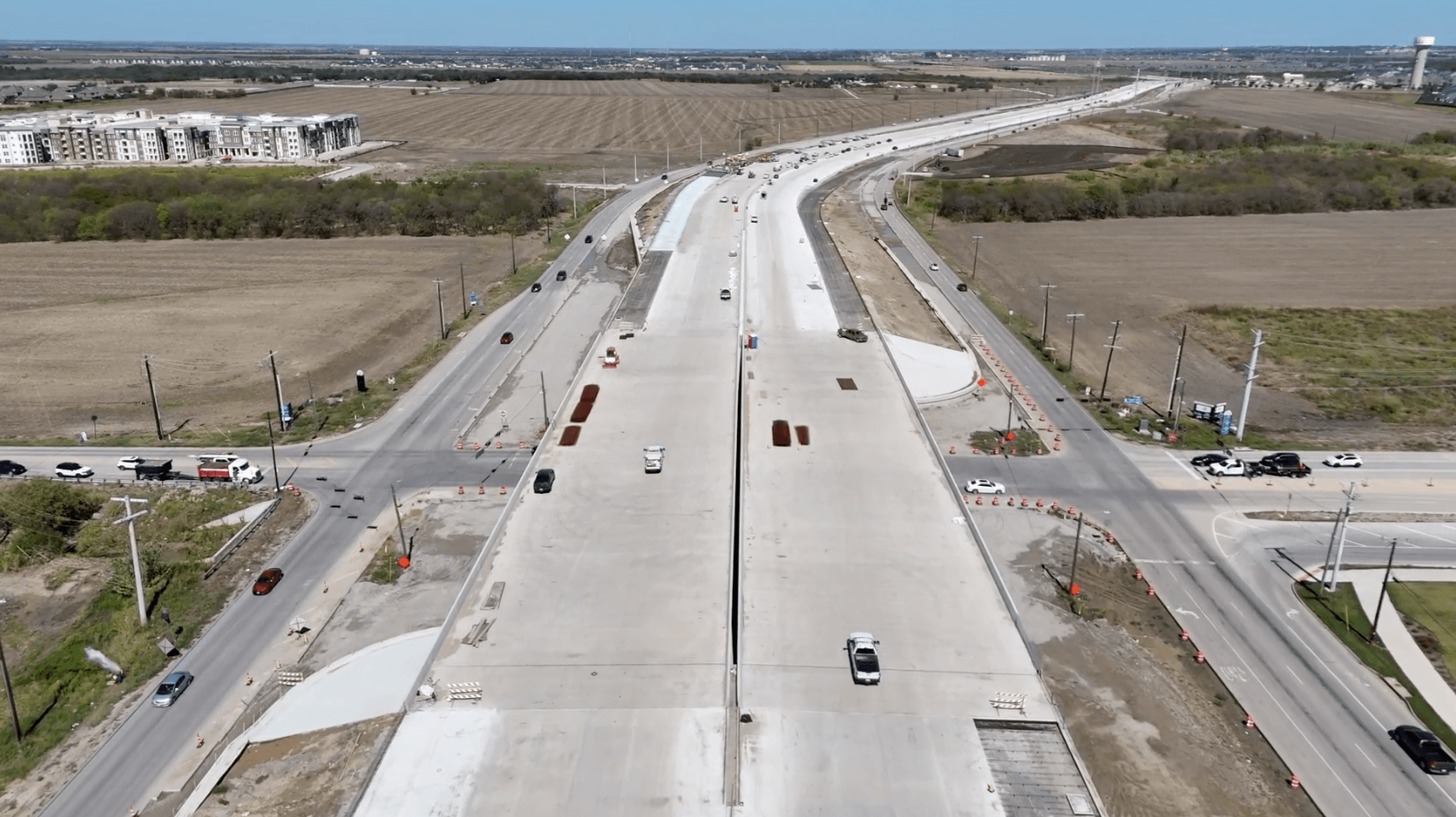
Growth has definitely put a higher demand on our roadways. A lot of our major intersections are at or beyond capacity. The more cars you add, it just means the more delay. We're trying to do everything we can to make the signals as efficient as possible. Our new detection system is much more accurate, it allows the signals to be much more responsive and we can program them to do more, to be more flexible with time. With growth comes construction, which means lane closures, which reduces capacity.
What considerations go into implementing a new traffic signal for the city?
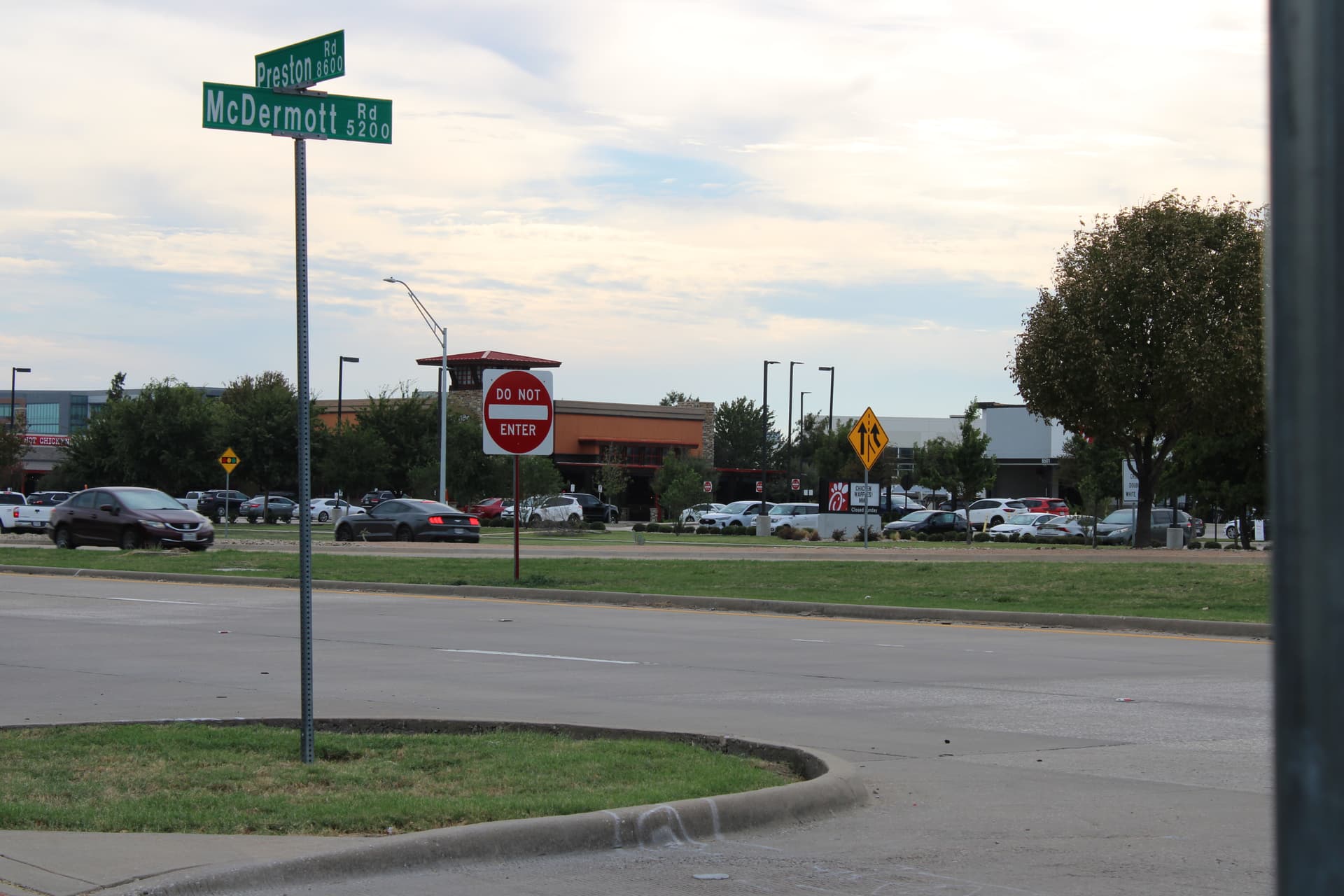
The [Texas Department of Transportation] has a set of engineering criteria for installation of a traffic signal, so those are the basic guidelines. They look at things like traffic volumes, crash history. Is there a school nearby, are there a lot of pedestrians? There are different criteria for that. We get traffic counts at the intersections, we look at delay, we look at how the different volumes compare to each other. If a neighborhood is on Preston Road and there's never an opportunity for them to get out, those types of things are in consideration.
How has implementation of new vehicle detection systems helped workers on the city end?
[The new systems] stream back video that is maintained for 14 days. If somebody calls in and says, hey, we have a problem at a certain location, we can go back to the video footage, rewind and look exactly at the point in time that they're telling us there's a problem. [The systems also] give us the ability to collect real-time traffic counts. In the past, we've had to send a consultant out to go sit and manually count cars at the intersection. That gets us data, but it's a snapshot because they go out and they count for specific hours. [We could] make adjustments for special events, things like that.