



[caption id="attachment_123301" align="alignright" width="460"] Austin Mayor Steve Adler announced the Austin Recycles Games on Nov. 30.[/caption]
Council districts rival for recycling reward
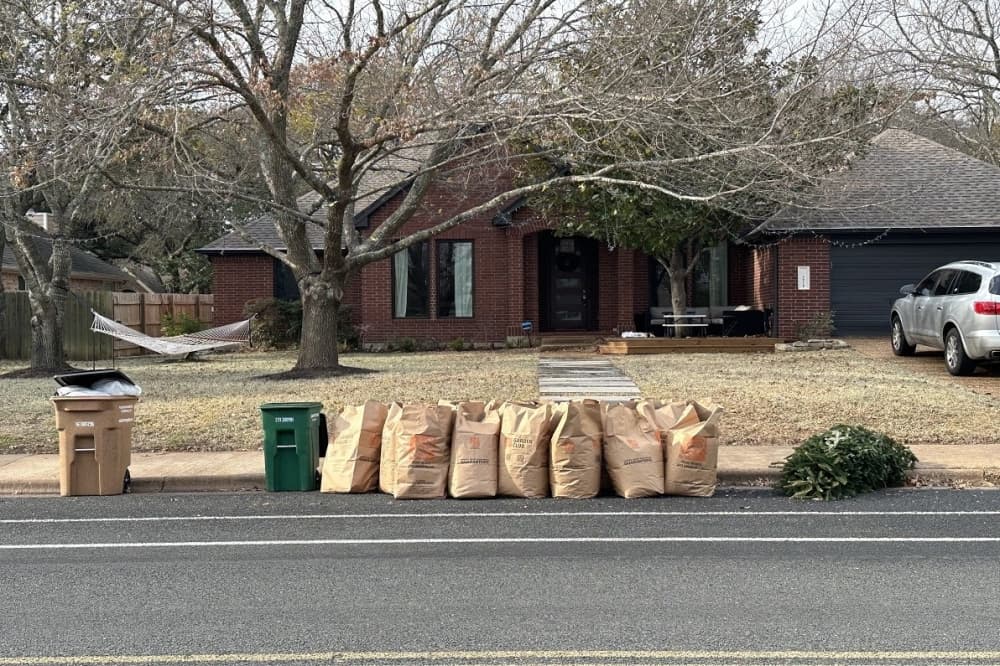
The city aims to increase recycling rates by making a game of it. The Austin Recycles Games pits residents in different City Council districts against one another to see which district can recycle the most. The winning districts receive a beautification project for a local library or public park. Districts can win one of two categories: most overall recycling and most improved. The winning districts will be announced at an Earth Day event April 23. Austin Resource Recovery created the competition after receiving community feedback about why residents were not recycling and how to increase participation. “One of the responses was to make it fun … to make it a game,” said Memi Cárdenas, public information specialist with Austin Resource Recovery. The city plans to provide monthly updates on how much households are recycling in each district between December and March. Cárdenas said community feedback showed residents were unsure about what and how to recycle. “We think people are not thinking beyond the kitchen when it comes to recycling,” she said.
City to lower speed limit on RM 2222
On Dec. 10 the city approved lowering the speed limit on RM 2222 between McNeil Drive and Loop 360 from 60 mph to 55 mph. The change is effective within a month. The segment from Sitio Del Rio Boulevard to McNeil is already 55 mph, but McNeil to Loop 360 was 60 mph. Between RM 620 and Sitio Del Rio, the speed limit is 50 mph. The change is a result of citizen complaints about speeds along the corridor and a Texas Department of Transportation speed study, which showed at least 85 percent of drivers drive slower than 60 mph on that segment. Under such findings, the city is compelled by state law to match the speed limit at which 85 percent of drivers travel.
WilCo considers East Texas water resources
To prepare for severe drought, the county is exploring new water sources. Landy Warren, president of the Lone Star Regional Water Authority, told commissioners Nov. 17 the agency aims to give the county and cities a new water source in East Texas and build a transportation and storage project plan. That plan would prevent future water shortages by obtaining groundwater from the Trinity and Carrizo-Wilcox aquifers, he said. Groundwater would be transported to storage areas in the county, and local cities could purchase water. Williamson County cities currently pull water from the Brazos River Authority and the Lower Colorado River Authority. Commissioners took no action on LSRWA’s request for $50,000 to complete a water development study.