The demand for low-cost pet services, such as vaccines and spay/neuter operations, is growing in the New Caney and Porter areas—and local nonprofit leaders said they are working hard to meet the community’s needs.
“A lot of our services are being moved over [to New Caney and Porter] because the need is, to me, just as great [in Cleveland, Texas], but they have a lot of help,” said Lidia Martinez, co-founder of Cleveland-based nonprofit Alaska’s Hope Animal Rescue. “This area has a little less help, so we want to be able to bridge that gap.”
What's happening
The rising need for low-cost pet services is likely due to economic factors, said Kerri Larson, an independent contractor who works with multiple local animal organizations, including Alaska’s Hope and the AABY Foundation.
“People just don’t have the finances,” Larson said. “When you have to cut costs in your budget, ... animals usually suffer because of it.”
Low-cost or free spay/neuter operations are a vital resource for New Caney and Porter, said Laura McConnell, president of Lone Star Animal Welfare League. Nonprofit officials said the surgeries are a tool to reduce the number of stray animals being sent to animal shelters.
Montgomery County leaders are working to protect local pets, but oftentimes stray animal populations can worsen due to neighboring counties, Precinct 4 Commissioner Matt Gray said in a December interview with Community Impact.
“We do butt up to several other counties right here in Precinct 4, and they are hotspots for ... dumping animals,” Gray said.
The approach
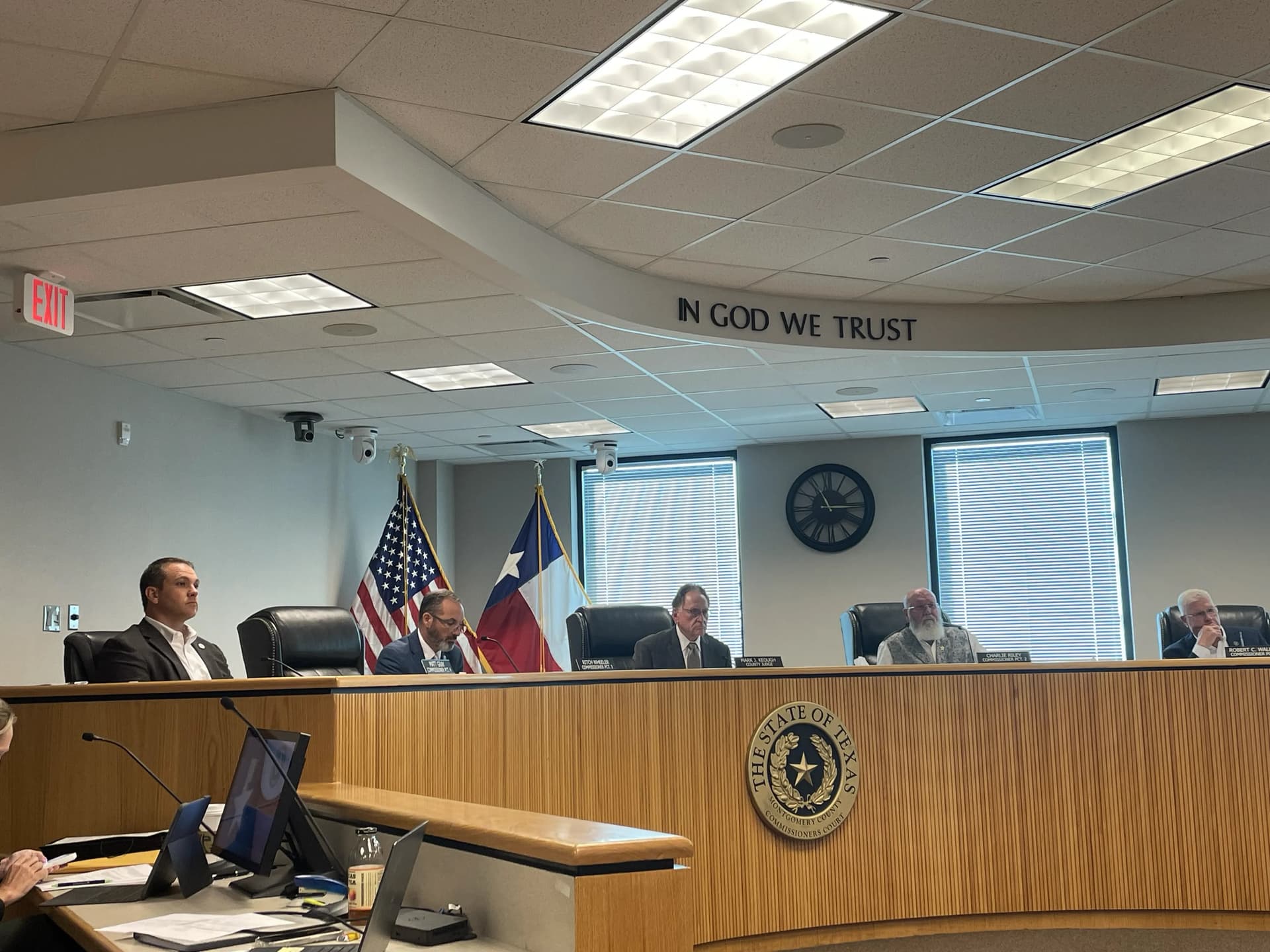
On Aug. 26, Montgomery County commissioners voted to adopt an ordinance regulating roadside vendors in unincorporated areas of the county, as previously reported by Community Impact. Gray led the push for a ban, which he said also prevents people from selling animals along roadways, as these animals are often kept in “inhumane conditions.”
The ordinance went into effect Sept. 1 following the passage of House Bill 2012 in the Texas Legislature, as previously reported. The bill allows counties to enforce roadside vendor regulations.
Montgomery County’s ordinance bans the solicitation of money as well as the sale or distribution of food and merchandise on public highways and roads, as previously reported. It also prohibits vendors from placing structures in those areas.
“[The roadside vendors ban] also provides some safety and some coverage to our animals,” Gray said. “It keeps ... [animal selling] out of the parking lots and the side of the roads,” Gray said.
Since the ban began, 17 warnings or citations have been given countywide, according to data from the Montgomery County Sheriff’s Office.
Puppy mills often worsen stray animal populations, Larson said. Puppy mills are commercial breeders keeping animals in cruel conditions, according to the American Society for the Prevention of Cruelty to Animals’ website.
“When [puppies] don’t sell, and they become 4-6 months old, people dump them,” Larson said. “Because there’s no use for them anymore.”
Over the last decade, from 2015-25, the sheriff’s office received almost 1,040 animal cruelty calls for ZIP codes 77357 and 77365, which cover New Caney and Porter, respectively. During the same time period, 141 animal cruelty charges were filed in the whole county, according to data from the Montgomery County District Attorney’s Office.
The impact
Local animal welfare organizations are focusing on spay and neuter services to help pets and make communities safer, McConnell said. The operations can prevent health problems for pets, including testicular and ovarian cancers, she said.
“By spaying and neutering your pet ... your pet will be healthier in the long run,” McConnell said.
A lack of low-cost veterinary services burdens communities, because shelters become crowded and unvaccinated pets are a public health risk, said Operation Pets Alive President Rebecca Forbes via email March 19. Her organization offers low-cost spay/neuter operations and vaccines.
“Ultimately, these challenges affect the quality of life for both residents and animals,” Forbes said.
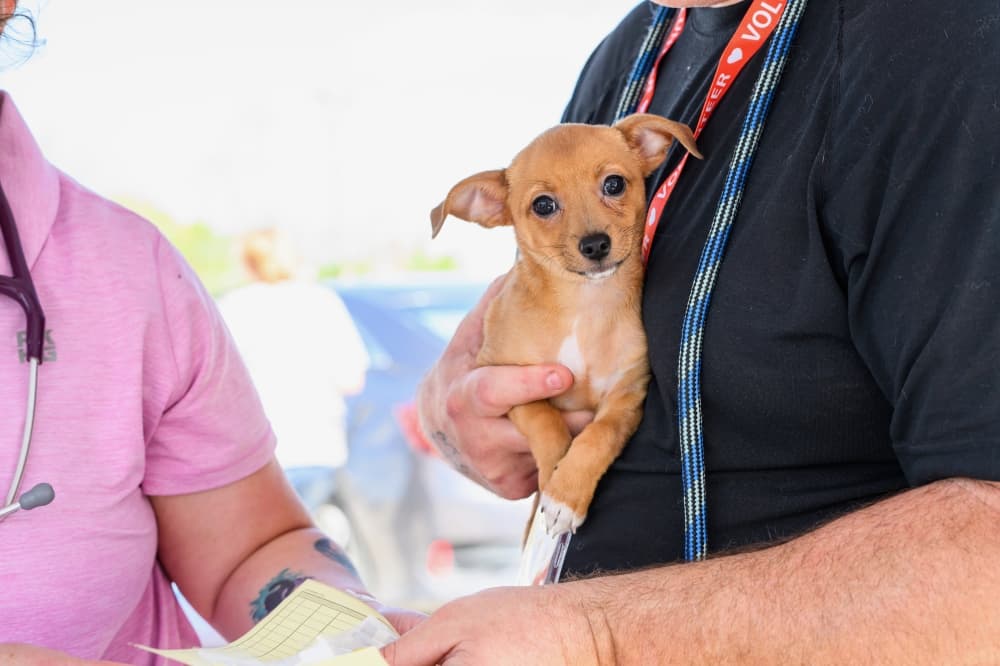
Volunteers with Alaska’s Hope and the AABY Foundation help the community access medications for pets to prevent fleas and heartworms. The organizations also help feed the pets of people experiencing homelessness, said Juanita Zavala, AABY’s clinic coordinator.
Lend a hand
The nonprofits serving animals in New Caney and Porter operate off the generosity of others, Larson said. Monetary donations—such as sponsoring vaccines and operations—volunteering, fostering or donating pet food and items, such as unused insulin needles, old towels or old newspapers, can all help.
“It takes the village, and it takes community support,” Larson said.