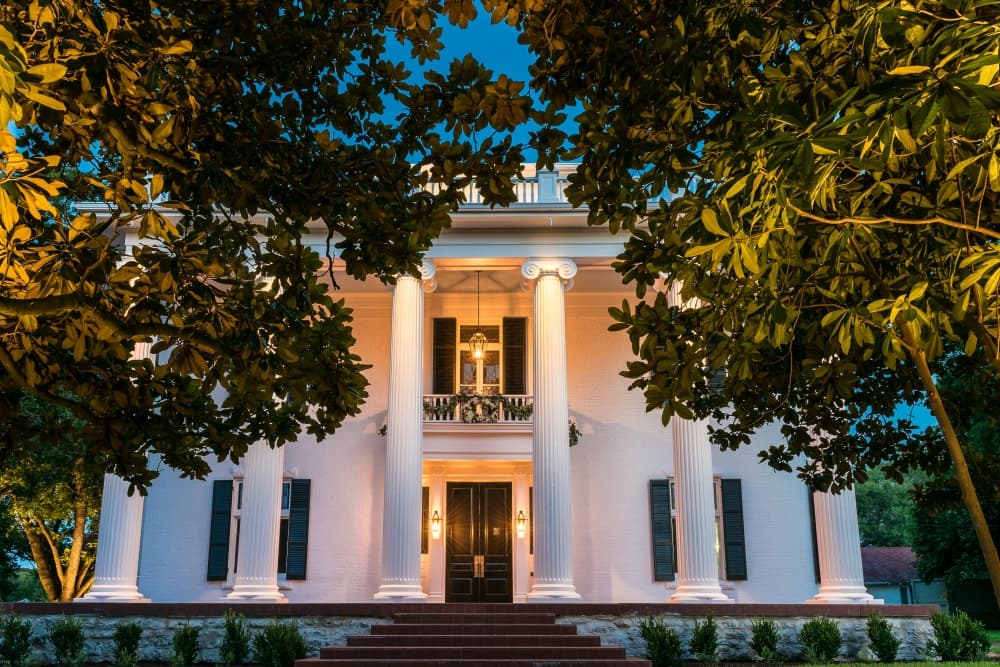
Woodbine Mansion, a Round Rock landmark, was completed in 1900. (Courtesy Jenny Demarco/Woodbine Mansion)
While home may be where the heart is, houses also speak to the cultural heritage and history of a region.
In the suburbs of northwest Austin, architecture speaks not only to the recent rapid growth of the region, but also to the vision of builders across time, according to local historians.
While 19th-century Swedish immigrants established communities near Round Rock, the influence of Southwestern University and its affiliates left a lasting mark on Georgetown’s picturesque landscape. Meanwhile, Anglo settlers across Williamson County built homes conducive to their lifestyles as farmers, business owners and community leaders.
Nowadays, historic homes can be costly to maintain and renovate. Descendants of historic families, such as Leander historian Kathy Howell, spend time educating the public and hosting events about the history of these sites. Meanwhile, community organizations such as Preservation Georgetown offer events such as an annual historic Home Tour and funding for the restoration of historic structures.
To learn more about the rich past of homes across Travis and Williamson counties, dive into these six storied properties.
Woodbine Mansion
Through its century-long history, the Woodbine Mansion has been owned by three families. The three-story home features 17 chandeliers, seven antique mirrors and a gazebo, among other unique features.
Swedish immigrants Andrew J. and Hedwig Nelson originally commissioned architects to build a Victorian-style mansion, which was completed in 1900. The home underwent a remodeling in 1931 guided by a vision of classical, Greek Revival style. By 1960, the Crier-Goodrich family owned the property and named it "Woodbine."
Later, Robert and Olga Levin purchased the mansion in 2018 and have restored it to its 1931 conditions.
The Woodbine Mansion can now be rented out for special occasions, such as weddings.
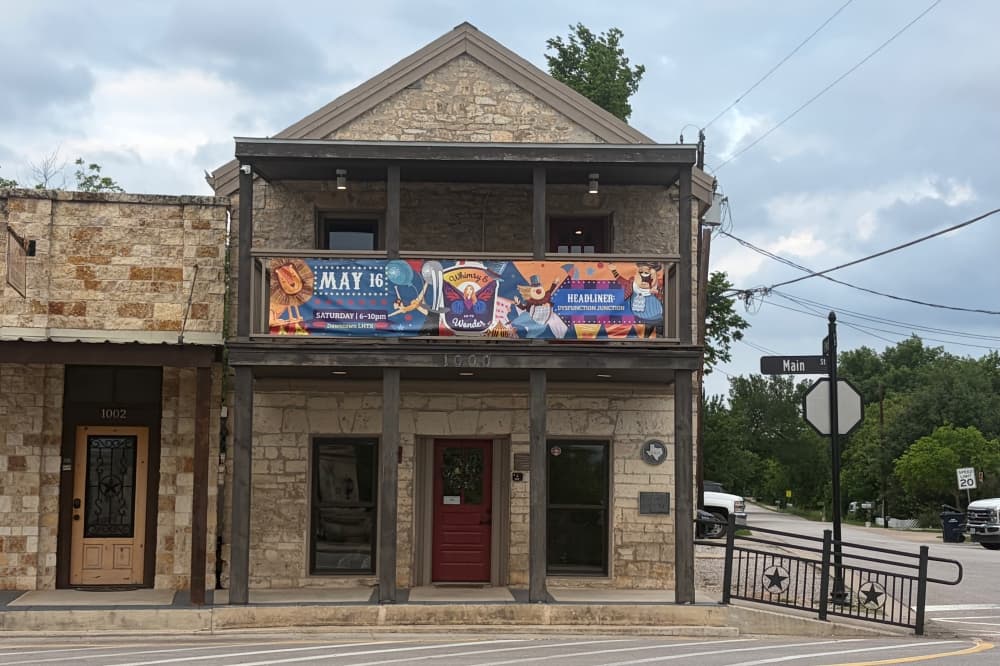
Stephen P. Stubblefield built this limestone structure in 1871, which remained in his family for over three decades until 1907. The property's lower floor was previously occupied by businesses and the top floor used for living.
Local sculptor Mel Fowler restored the building in the 1970s, and today the building is home to the Stubblefield Visitors Center. It is believed to be the oldest existing structure in Liberty Hill.
The Stubblefield Visitors Center is open to the public from 9 a.m.-4 p.m. on Mondays through Fridays.
The Stubblefield Building, now the Stubblefield Visitors Center, is believed to be the oldest extant structure in Liberty Hill. (Hamera Shabbir/Community Impact)
Pickle-Mason House
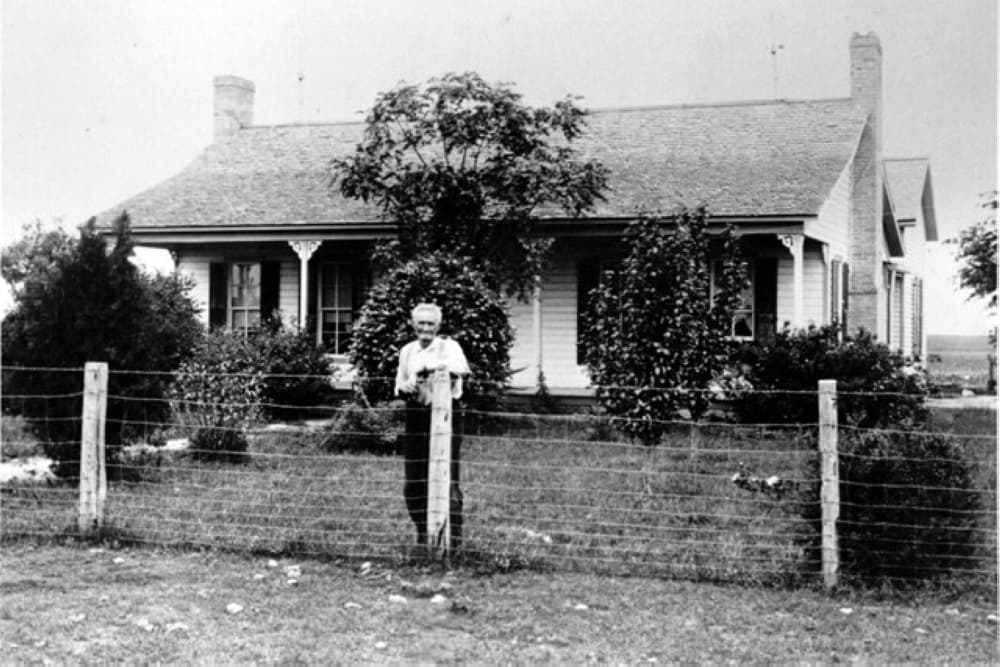
Built in 1871 by Andrew Pickle, the Pickle-Mason House on Hero Way remained in the Pickle family until it was purchased by Zora Mason Davis in 1913. Since then, the home has remained in the Mason family. Owner and local historian Kathy Howell restored the property in 2002.
According to Howell, Pickle came to Texas to build a second Texas State Capitol before he retired in Bagdad, an area which later became part of Leander. The house features breezeways—a structural element used before air conditioning to cool down homes.
While visitors can take in the historical marker outside, the home is privately owned and unavailable for tours.
Private residence
11330 Hero Way West, Leander
Andrew Pickle, original owner of the Pickle-Mason House, stands in front of his property in 1908. (Courtesy Kathy Howell)
Mason Homestead
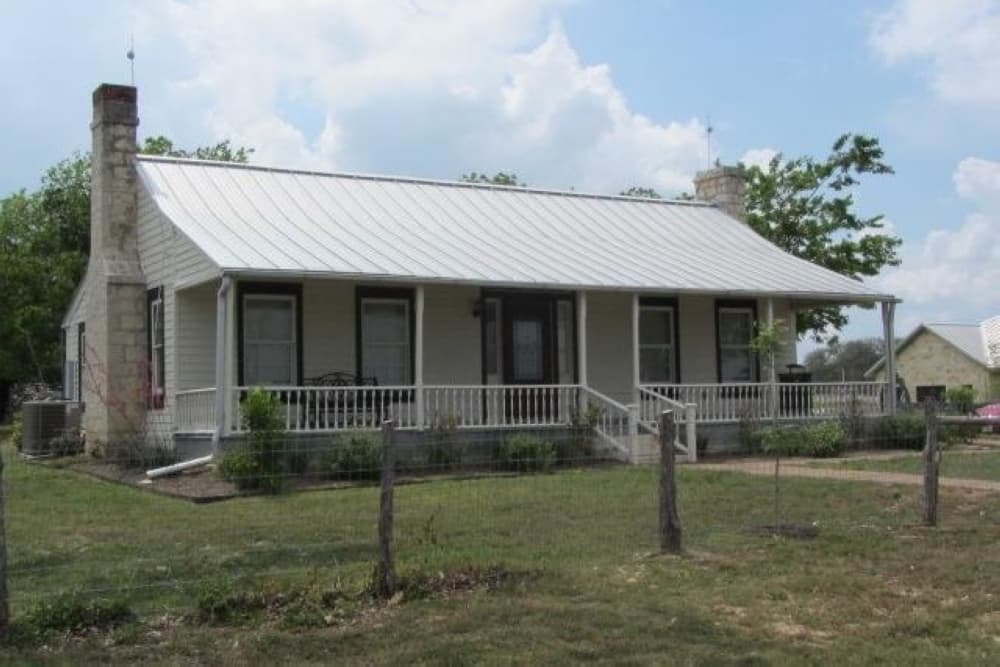
Completed in 1865, the Mason Homestead remained in the family of Charles C. Mason until the 3.5-acre property was gifted to the city of Leander by Christine Mason in 2005. In 2013, the Homestead opened to the public after undergoing six years of renovations.
The property, which features exhibits and historic artifacts, is available for event rentals. Additionally, the Homestead opens up for public tours twice a year and is decorated for Christmas.
The Mason Homestead underwent extensive renovations before opening to the public in 2013. (Courtesy city of Leander)
Palm House
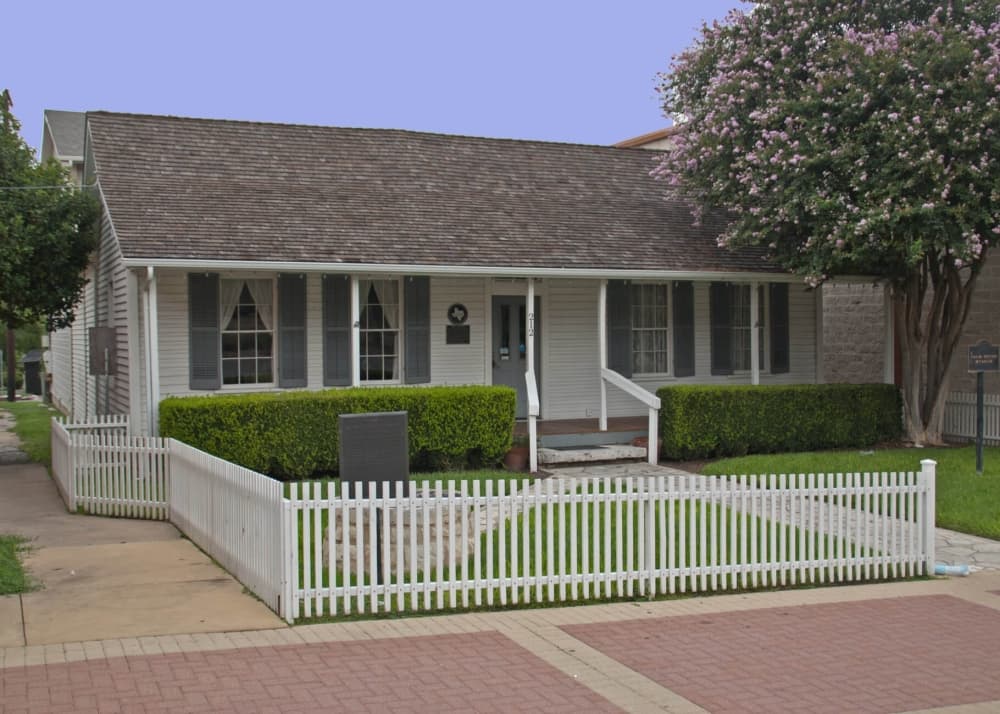
Originally built 3 miles north of Round Rock on Palm Farm in 1873, the Palm family donated the two-room home to the Round Rock Chamber of Commerce in 1976, where it served a stint in downtown on 212 E. Main St., housing the Palm Museum and the chamber. The Palm House was moved to its current location at 3300 E. Palm Valley Blvd. in 2024 and is now overseen by the Old Settlers Association.
The Old Settlers Association of Williamson County, which manages other buildings, such as the Palm Mansion and the Mather Cabin, opens the buildings up to visitors on special occasions and for educational visits.
The Palm House moved to the Old Settlers Association, which also manages the Palm Mansion. (Courtesy city of Round Rock)
John M. King Log House
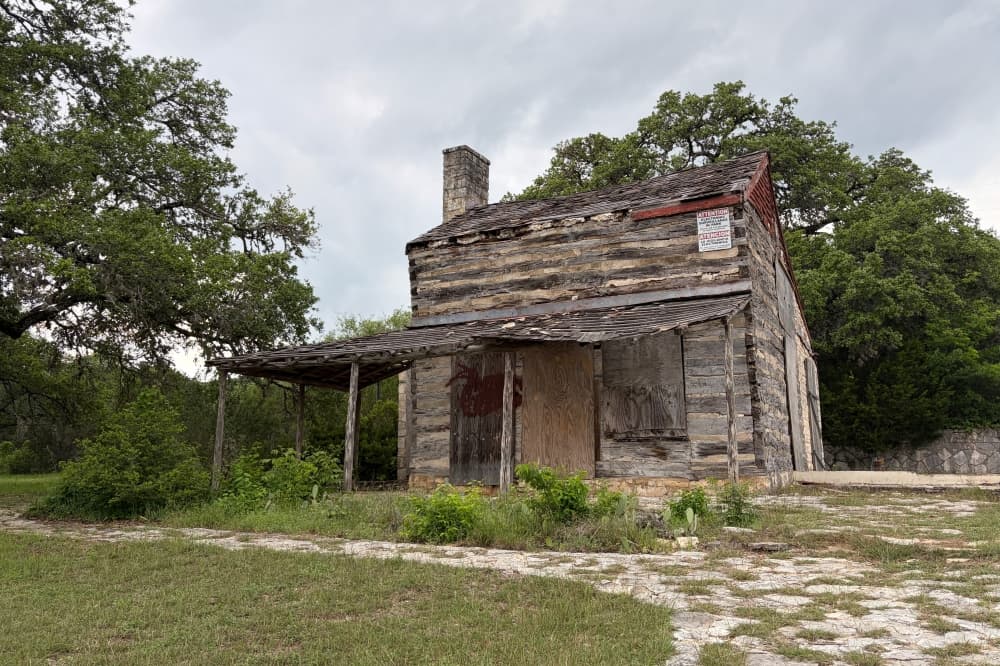
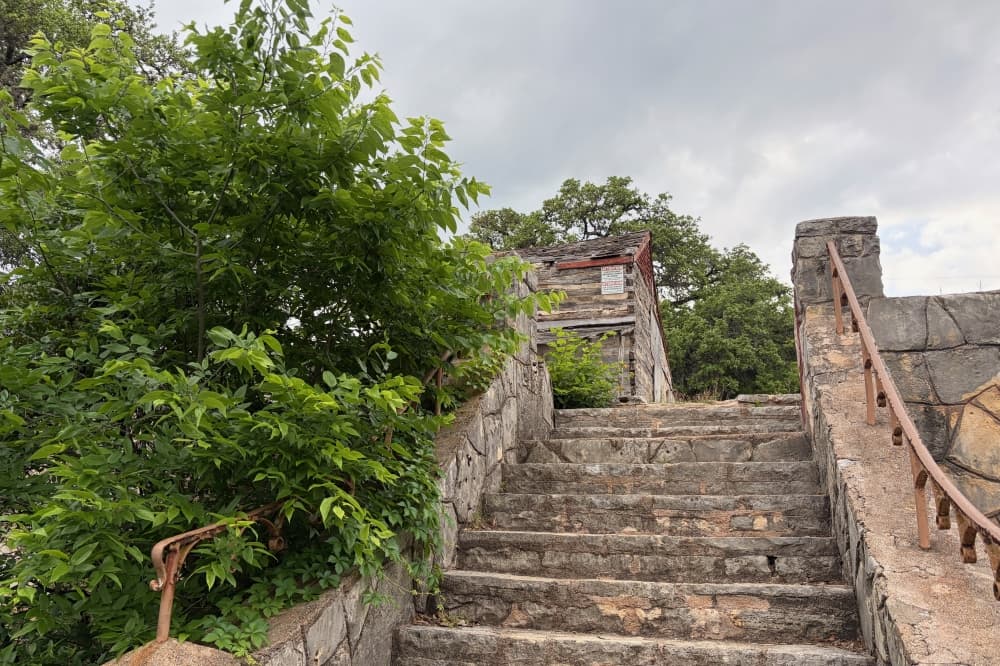
Nestled in the trees lining the Twin Creeks Historic Trail, the construction date of this one-and-a-half-story log house is unknown. By the time Alabama farmer John M. King purchased the property in 1879, a structure may have already been on the site. Jack Dies, a Humble Oil official and former Hardin county judge, would later purchase the house and hosted many guests at the home until his death in 1942.
The log house is currently boarded up and closed to the public, so this home is best enjoyed as part of the trail.
Free admission to trail
2900 King Monument Lane, Cedar Park
The John M. King Log House can be seen on Twin Creeks Historic Trail. (Hamera Shabbir/Community Impact)
The construction date of the John M. King Log House is unknown. (Hamera Shabbir/Community Impact)