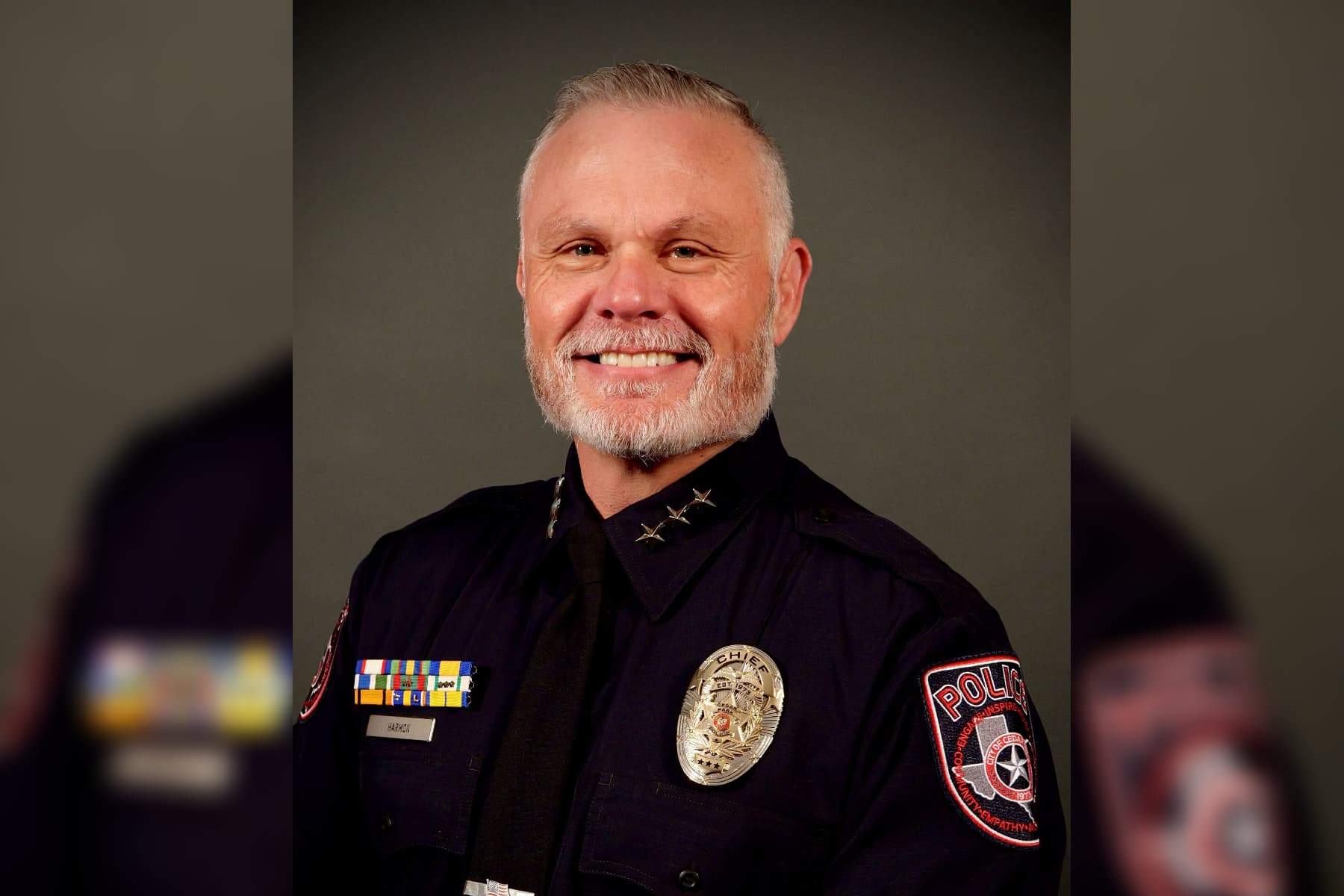
Central Health president/CEO
In November, voters will decide whether to approve Central Health's requested 5 cent property tax increase. The Travis County Healthcare District is responsible for purchasing access to health care services for eligible county residents who earn up to 200 percent below the federal poverty level, and it is funded through property taxes and other sources.
Central Health President/CEO Patricia Young Brown explains how such a tax increase might affect the average resident and what changes could be in store for the region.
What is Central Health's big focus right now?
We have had our sights for quite a while on trying to not only increase the size and the scope of [our health care] delivery system but improve the efficiency and the effectiveness of it, and that really gets to sustainability. We all know that health care costs continue to increase. We all know there are folks without coverage. And we know that we can't continue to provide care as we do today and have that be sustainable in the way that we do it. So we are focusing on creating a delivery system—or maybe revolutionizing our delivery system—so that we can focus on health outcomes.
What kind of financial effect would this tax increase have?
The increase that we're asking for represents an annual increase to our public tax base of about $54 million. That's what the 5 cents represent. With that $54 million we are able to draw down funds from this 1115 [Medicaid Transformation Waiver] of roughly $76 million. Overall that represents an increase of about $516 million over the next four years if we have that additional tax base. Those funds would help support the creation of that integrated delivery system.
Are voters voting for a medical school or indigent care?
They're voting for an increase in [health] care delivery and infrastructure in the community. That connection to the medical school is through that payment for support of the clinical care that gets provided. We're going to be educating more doctors, and the statistics show when folks go to medical school and then they go to a [graduate medical education] program in that same area, they're more likely to stay in the community. 80 percent of doctors establish their practices in the community where they receive training.
Where would a new school be established?
The search is under way to locate land that would be able to house the teaching hospital. This whole effort ties into the City of Austin's desire to redevelop the whole northeast quarter of downtown. You've got the Waller Creek Conservancy, you've got the Waller Creek tower development going on, and it's anticipated that the medical school and the teaching hospital are going to be located essentially where The University of Texas and University Medical Center Brackenridge are today. There's also a connection and I think a very well-intentioned desire to bridge to across I-35 and to East Austin that's being developed. A brand-new [Brackenridge] facility is being discussed, and then repurposing the existing facility. [The current facility] could be used for a host of things. It could be for clinical services delivery. It could be for administrative space. It could be for medical school education purposes.
How would a tax increase affect emergency room costs?
What we focus on is two categories: appropriate and inappropriate use of the ER. If you're going to the emergency room to take care of essentially something that could have been taken care of by a primary care provider in an office setting, you are utilizing a very expensive resource to get something that could be provided at a much lower cost. Have you been to the emergency room recently? You don't walk out of the ER without a minimum $5,000 charge. If we build those integrated delivery systems the way we want to and we more closely manage the patients and get them into medical homes—especially those who have chronic conditions and multiple chronic conditions—they tend to be high utilizers of the emergency rooms if they're not getting the kind of care management that they need. ... Our system would be built to keep those people out of the ER, provide the services where they need them, when they need them.
Why do you need additional funds?
Without the additional funding that we can get both locally and through the federal funds, we can't take [Central Health] up another notch. We can't begin to meet all the needs of the community. A large portion of our growth is coming from the lower income category ... as well as ... those over 65. When you start getting into the later years, then you're getting into the more chronic conditions and the care management needs become greater, so we're trying to prepare for both of those—we're trying to address what's lacking today and then prepare for the future.
How does Austin compare with the region?
Right now our [tax] rate is 7.89 [cents per $100 of property valuation], and so we're asking for 5 cents, which would make it 12.89 [cents per $100]. For an average [Travis County home] value of $200,000, the 5 cent increase would be less than $9 per month. [For a home costing] $200,000, the total tax implications for the year are $169, and this 5 cents would add another $107 for a total of $276. ... We are the lowest taxing district in the state of Texas if you compare us to other large urban areas. We have the lowest tax rate—it's one-third to one-half lower than every other major metropolitan district.
Why is this the right time for this tax increase?
What we have in front of us is a once-in-a-career opportunity. We now have factors in play that are going to allow us to truly, if we're successful, to try to change the way that we deliver care so that it is sustainable over time.


 Photo by Annie-Lee Taylor