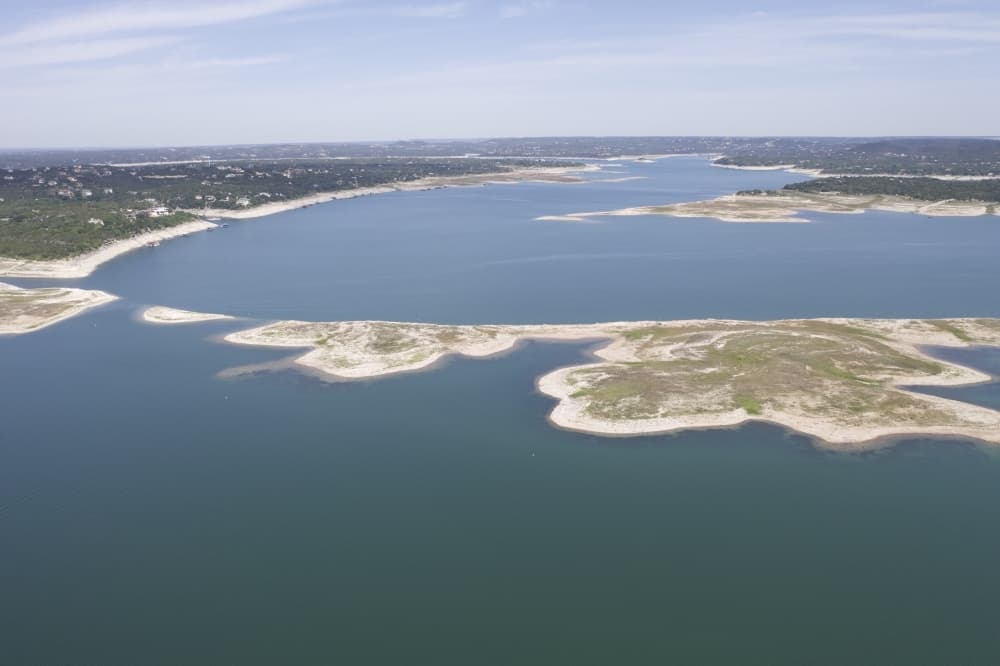


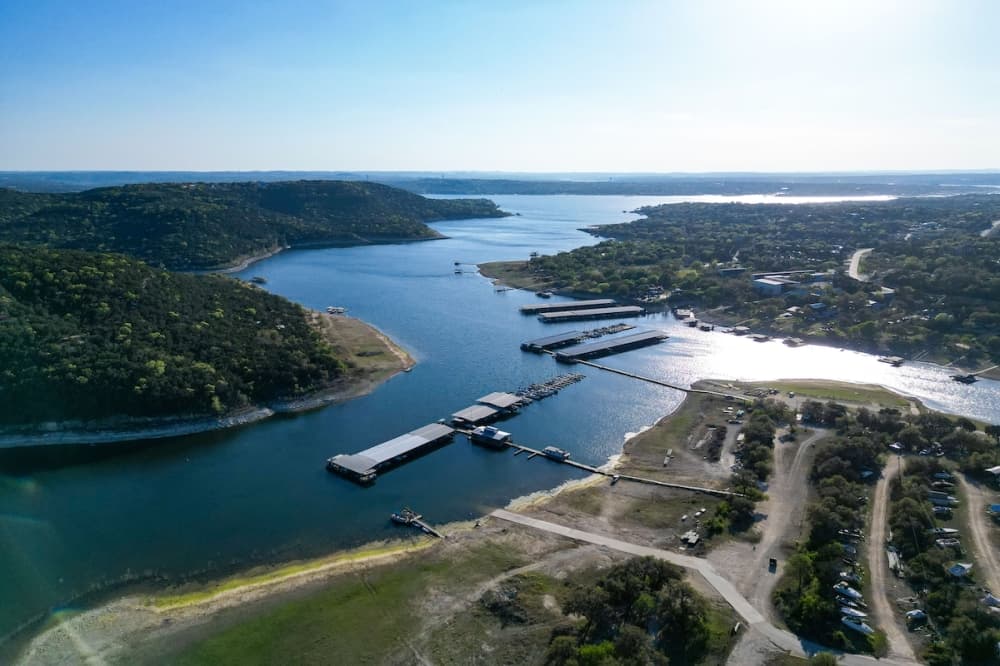




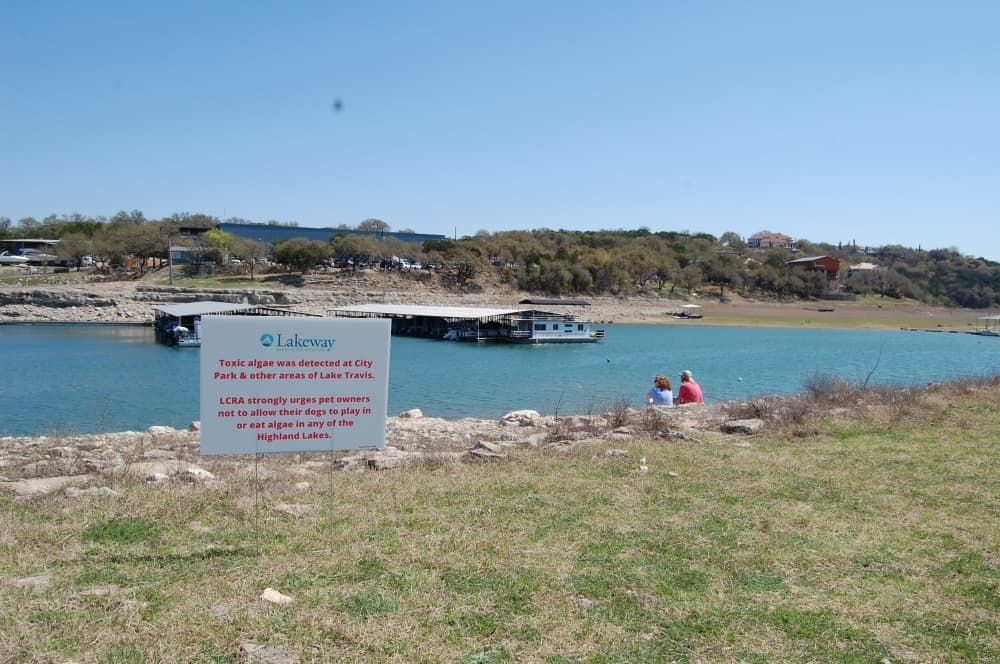
The latest algae samples collected from Lake Travis continue to contain toxin levels that could be harmful to individuals or pets if ingested, according to a June 2 news release from the Lower Colorado River Authority. The toxin—dihydroanatoxin—is produced by cyanobacteria, sometimes called blue-green algae, and has been detected in Lake Travis since at least February.
The samples were collected May 25 from the Travis Landing region of the lake prior to the heavy rainfall and thunderstorms experienced throughout Memorial Day weekend, according to LCRA.
Lab testing indicated lower toxicity levels than tests taken earlier this year, which LCRA said is on par with a recent trend in declining toxins. While dihydroanatoxin was found in the algae samples, it was not detected in the surrounding water source, LCRA said.
John Hofmann, LCRA executive vice president for water, said he was eager to learn how the severe weather may impact the presence of the harmful algae. LCRA will conduct additional tests moving forward.