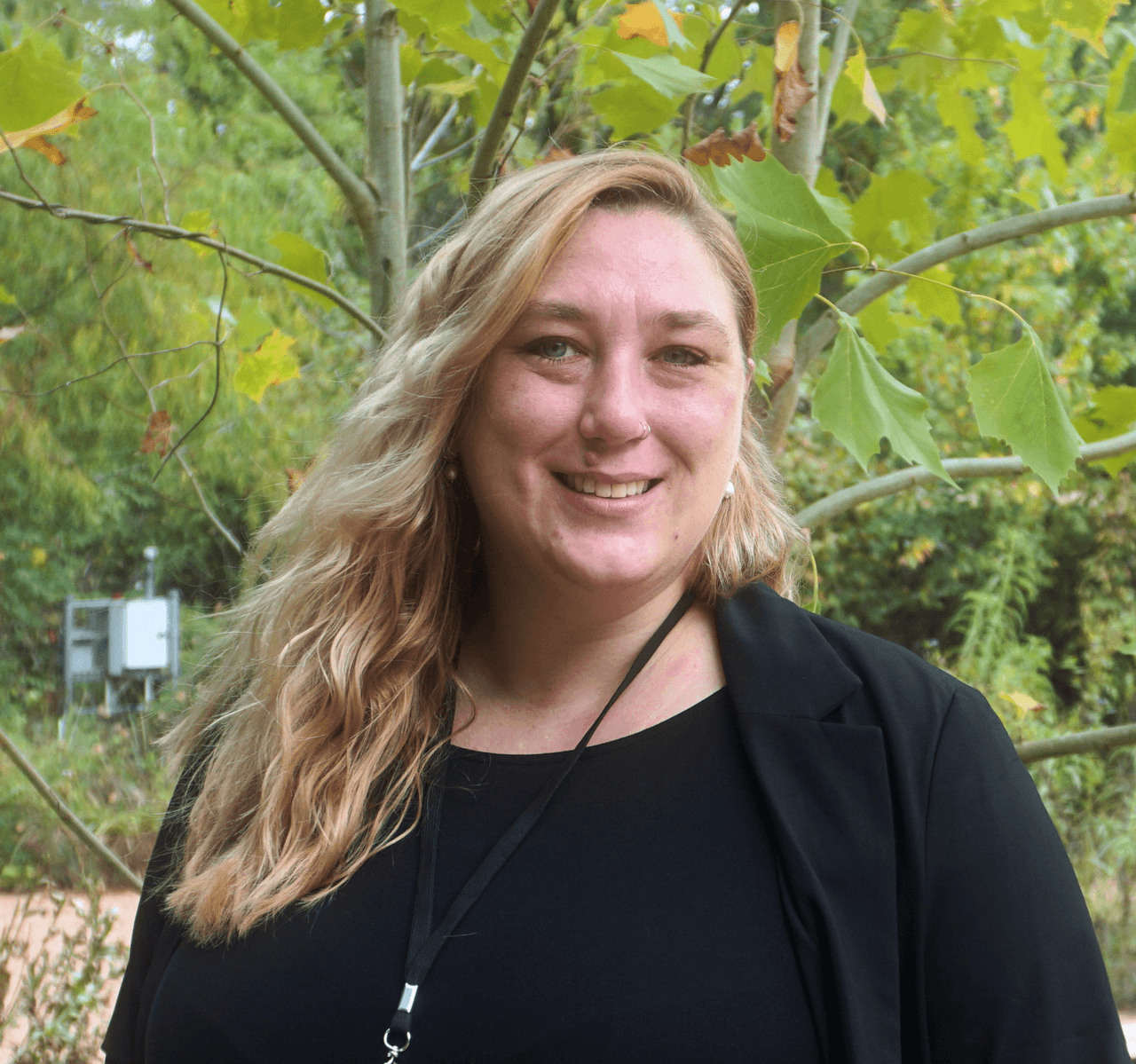
Kingwood Pines Hospital, which offers mental health services for patients of varying ages, works to provide innovative programs and combat negative health stigma to better help patients, said Monica Garcia-Guinessey, the director of business development at Kingwood Pines Hospital, via email Jan. 9.
The facility, which has been open for about 40 years, also offers services and programs such as:
- Substance abuse care
- An adult women’s program
- Outpatient programs
- Ki Charter School, which helps children transition back to their school
Community Impact spoke to Garcia-Guinessey about mental health treatments and misconceptions. This interview has been edited for length and clarity.
How has Kingwood Pines Hospital’s approach to mental health care changed since the facility opened and how has it remained the same?
We have changed so much in the 40 years since we opened our doors. Currently, we are offering gender specific units—we have an exclusively girl’s program for ages 8-12. Two separate teen units—a girl’s unit (ages 13-17) and a boy’s unit (ages 12-17).
For adult women, we offer [an] exclusively women’s program. The services provided at our female mental health unit are aimed at helping women who are dealing with various mental health issues; need help coping with traumatic events; and for women facing grief, loss and relationship issues. Additionally, we provide a space for women who are struggling with postpartum depression. Sometimes, PPD is a forgotten mental health issue.
In addition, we offer school services for kids and teens who are struggling. It prevents them from sacrificing academics while getting treatment. ... As far as remaining the same: we are still located in a beautiful neighborhood that is tranquil and welcoming. Our services have to change constantly in order to meet the needs of the community.
Have you noticed any recent notable trends in the mental health care space?
We partnered with KI Charter in response to the needs of our kids/teens as well as the local school districts. Our kids are exhibiting more mental health stressors than ever before. Think about getting homework on the first day of school, after-school obligations, the access to the social media platforms, etc. Our kids are in distress and unfortunately, sometimes help comes too late. We are focusing our efforts [on] educating professionals and families about outpatient services to prevent an inpatient crisis situation, which is traumatic for the person but also the family.
Are there any new treatments or approaches the hospital has implemented recently?
Last year, we opened our first off-site outpatient location. Outpatient services consist of partial hospitalization programs and intensive outpatient programs. We now have two outpatient locations: Kingwood Branches, 22751 Professional Drive, Ste. 260, Kingwood; and Branches, 2001 Ladbrook Drive, Kingwood.
These programs are designed to help prevent an inpatient stay in many cases. We offer services for people who need more care than once per week in the community but don’t meet the criteria for an inpatient stay. This means they come for group support led by a master-level clinician for 3-4 hours per day—3-5 times per week—Monday to Friday.
Are there any common misconceptions that patients/families have about mental health care? If so, what are they and how does your hospital work to combat negative stigma so that more people can receive the care they need?
Stigma: Mental Health is something to be ashamed about. Fact: People who see a therapist regularly are better equipped to handle the daily stressors that life hands us. I cannot wait for the day to come when having a therapist is as normal as having a primary care doctor. Visiting with a therapist to check in should be something we all do at least quarterly and increase when life gets stressful. Most times people have no professional support and [are] scrambling to find someone in the midst of [a] struggle. And, to be honest, that’s too late. There are providers who see people virtually, in-person and a hybrid of the two. There are also providers who see people who accept insurance, self-pay and offer sliding scale basis. Sometimes you have to meet multiple therapists before you find one that you click with.
Stigma: A mental health issue involves only the individual. Fact: Mental health issues involve the entire support system, whether that is family of birth or family of choice. Yes, the person is experiencing the mental health issue, but it has impacted everyone in the circle of that person and the circle should be educated and encouraged to support the person in their mental health journey to wellness. Just think about a person who is getting support in an outpatient program. They are learning coping skills and strategies to help them but then they go home to the same environment that has not changed in the least. Is that person set up for success? We work with families to help them access services that can help the entire family understand what their loved [one] is experiencing and how best to support them.
Is there anything else readers should know?
Please know that we are here to help our community not only by providing quality services but also by providing complimentary mental health education. I am happy to come and present to any community organization regarding mental health and the services Kingwood Pines offers. My email address is [email protected] or I can be reached at 832-493-8604.