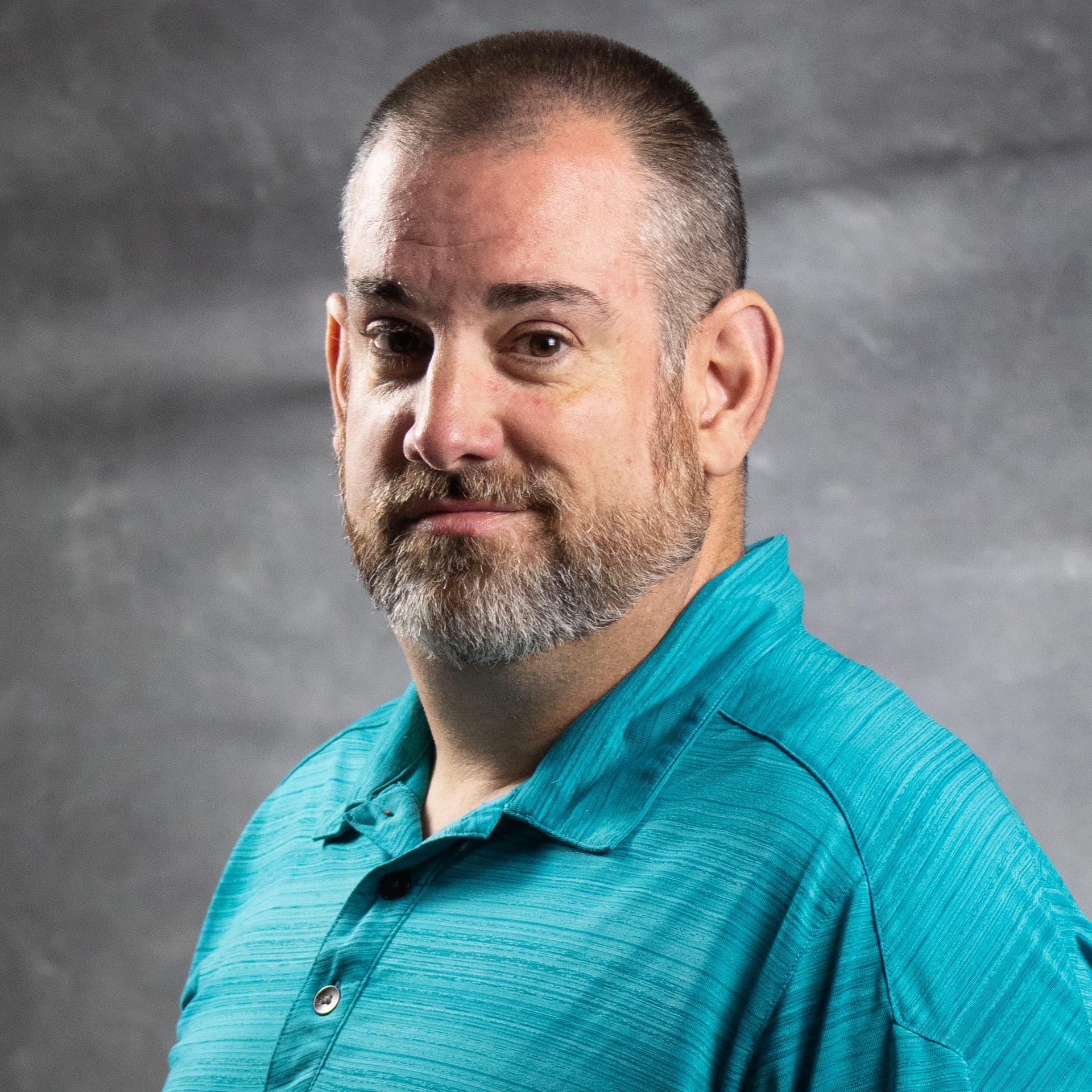
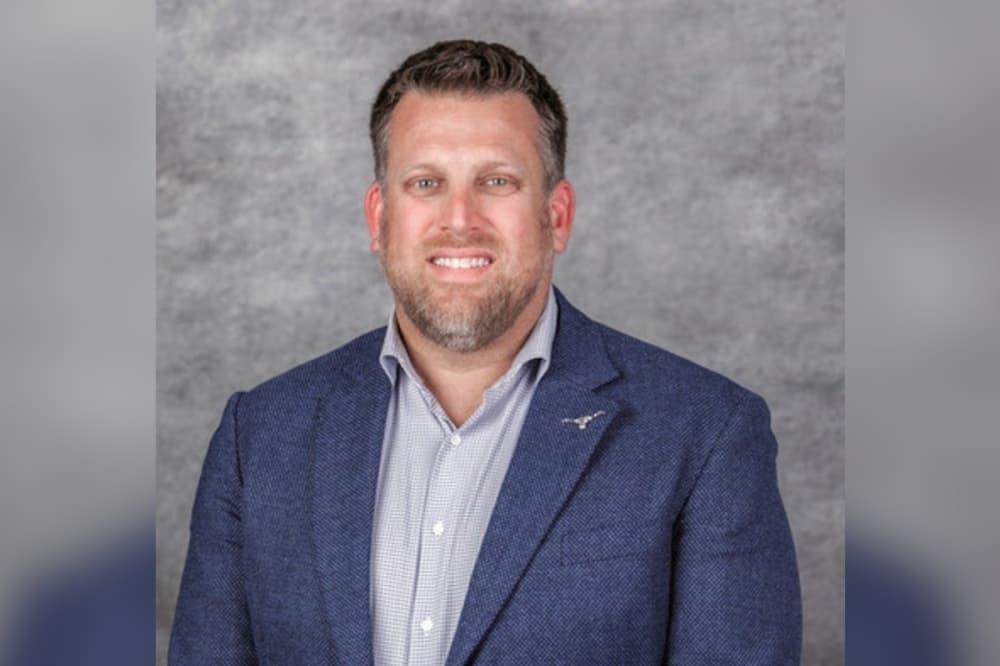
Chris Jamieson was elected as a member of the Fort Worth City Council since winning a special election May 2 for Council District 10.
He posted a close win over Alicia Ortiz to join the dais and replace Alan Blaylock, who resigned to run for state office, according to previous reporting.
Jamieson was sworn in during a meeting May 12, representing the north Fort Worth area, according to the district map.
Jamieson recently spoke with Community Impact at Black Bear Diner in the Alliance area of Fort Worth about his priorities for the district, what is on his to-do list and more. The answers have been edited for style, clarity and space.
What are your priorities for the rest of this fiscal year and FY 2026-27?
My priorities are simple: focus on the basics and deliver results. For the rest of this fiscal year, I’m focused on getting up to speed quickly, building strong working relationships and making sure District 10’s needs stay front and center. For the 2026-27 fiscal year, my focus is roads, public safety, responsible growth and fiscal discipline. Fort Worth is growing fast, but growth cannot be an excuse for waste, slow service or higher costs without accountability. We need to protect taxpayers, prioritize core services and make sure city dollars are tied to real outcomes.
What do you see as key future projects in Council District 10?
Infrastructure is the big one. District 10 has grown quickly, and the roads, drainage, water and mobility systems have to keep up. Some of the key projects I’m watching closely include Avondale-Haslet Road, Bonds Ranch Road, Wagley Robertson Road, Heritage Trace Parkway and the larger mobility connections around [US] 287 and I-35W. I’m also excited about the Sendera Springs Library because that is the kind of community investment families in far north Fort Worth need. For me, the goal is execution. Residents don’t just want to hear that projects are planned. They want to see progress, timelines and results.
What are you most looking forward to doing for the city and also in Council District 10?
I’m looking forward to bringing a business owner’s mindset to City Hall. That means asking clear questions, measuring results and making sure we are solving problems instead of just talking about them. For District 10, I’m looking forward to making sure far north Fort Worth is not treated like an afterthought. Our residents deserve safe roads, strong public safety, better mobility and city services that keep up with the growth happening around them. I want people in CD 10 to feel like City Hall is listening, responding and following through.
When did you know you wanted to run for City Council? What was that process like?
It wasn’t one single moment. It was a series of conversations with residents, business owners, neighbors and community leaders where I kept hearing the same concerns: roads, traffic, taxes, safety and growth that needed to be managed better. At some point, you either keep talking about the problems or you step up and try to help solve them. When the District 10 seat opened, my family and I took a hard look at it. Running for office is not a small decision, but I felt like my background in business, leadership and community service could be useful. The campaign was hard work, but it was also energizing. I spent a lot of time listening, which reinforced why I was running.
What has it been like to be in this role so far?
It has been fast, humbling and motivating. There is a lot to learn and the pace is real, but I enjoy that. I’m used to solving problems, managing people and making decisions with incomplete information. What has stood out most is how much residents care. People don’t expect government to be perfect, but they do expect it to be responsive, honest and focused on the right priorities. That is the standard I’m trying to bring every day.
In our Q&A in March before the special election, you mentioned you are a business owner. What do you operate?
I own multiple businesses across different industries. Green Earth is a construction company. Mow & Grow is a property maintenance company. Freedom Hitch is a specialty manufacturing company. Those businesses have given me hands-on experience in construction, maintenance, manufacturing, hiring, customer service, logistics, cash flow and leadership. I got into business because I like building things and solving problems. Sometimes that means building a physical project. Sometimes it means building a team. Sometimes it means building a product or a system that works better than what existed before. That background is a big part of how I view public service. Residents want results. They want clear communication. They want basic services handled well. Running businesses has taught me that accountability matters, details matter and people expect you to follow through.
How can you use your experience as a small-business owner to help foster relations between the city and local businesses?
I want Fort Worth to be easier to do business with. That starts with permitting, inspections, procurement and communication. Small-business owners don’t have unlimited time or staff to chase answers. We already have some good tools and programs in place, but the real test is whether small businesses can actually use them. I want to see faster processes, better access to city contracting opportunities and a stronger customer-service mindset from City Hall. Small businesses create jobs, support families and invest back into the community. We should be removing unnecessary friction, not adding to it.
What are the things you have heard from residents that are priorities in Council District 10?
The top concerns are roads, traffic, public safety, drainage, responsible growth and property taxes. I also hear a lot about communication. People want to know what is happening, when it is happening and who is accountable. Residents in District 10 are not against growth. They just want growth to make sense. They want infrastructure to come with it. They want safe neighborhoods, reasonable taxes and basic city services that work.
The budget issues facing the city could be a concern. What do you say to residents who ask you about it?
The concern is valid. The budget challenge is real, and we need to deal with it honestly. My approach is to protect core services first: police, fire, roads, infrastructure and basic city operations. After that, we need to look hard at spending, vacancies, programs, efficiencies and whether every dollar is producing a result. Families and businesses have to make tough budget decisions all the time. City government should be willing to do the same. I’m not interested in balancing the budget by automatically reaching deeper into taxpayers’ pockets before we have done the hard work of finding savings, improving efficiency and setting clear priorities.