Tomball officials got a fresh look at how the city plans to protect its own paper trail and make local history easier for residents to access.
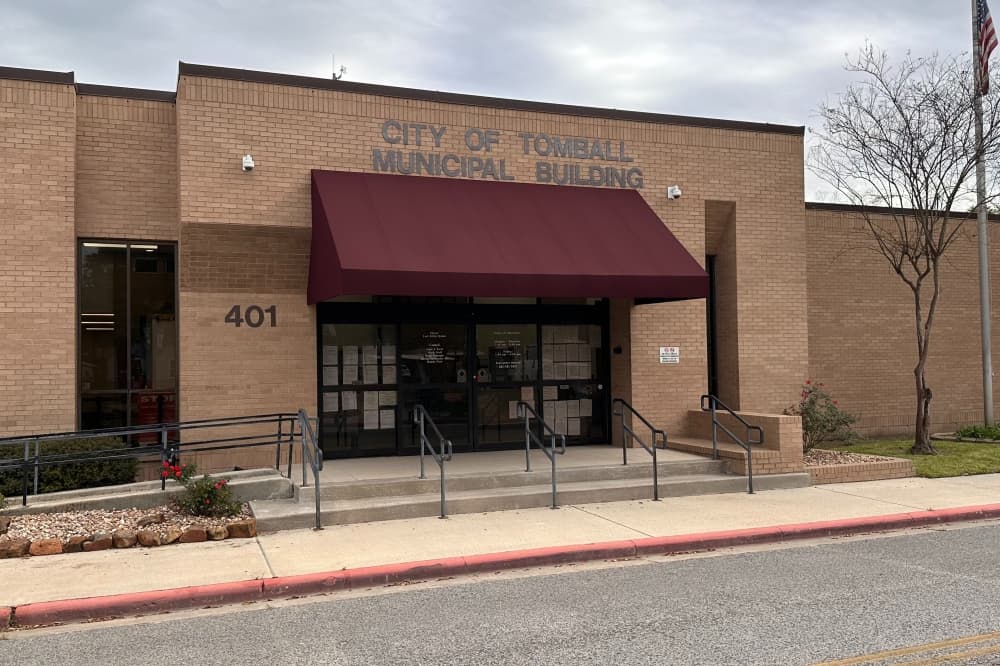
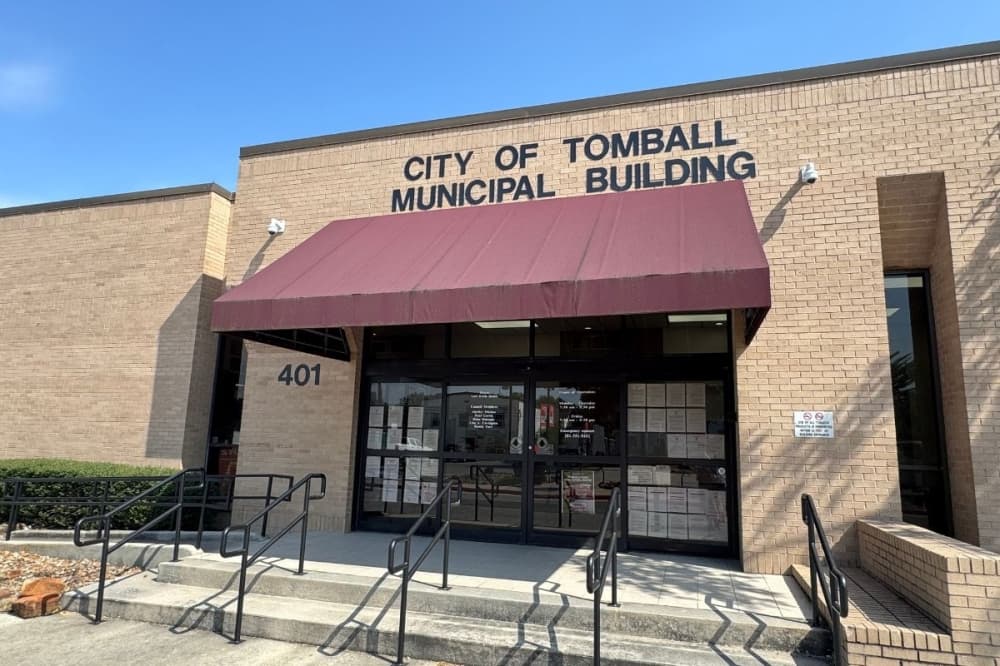
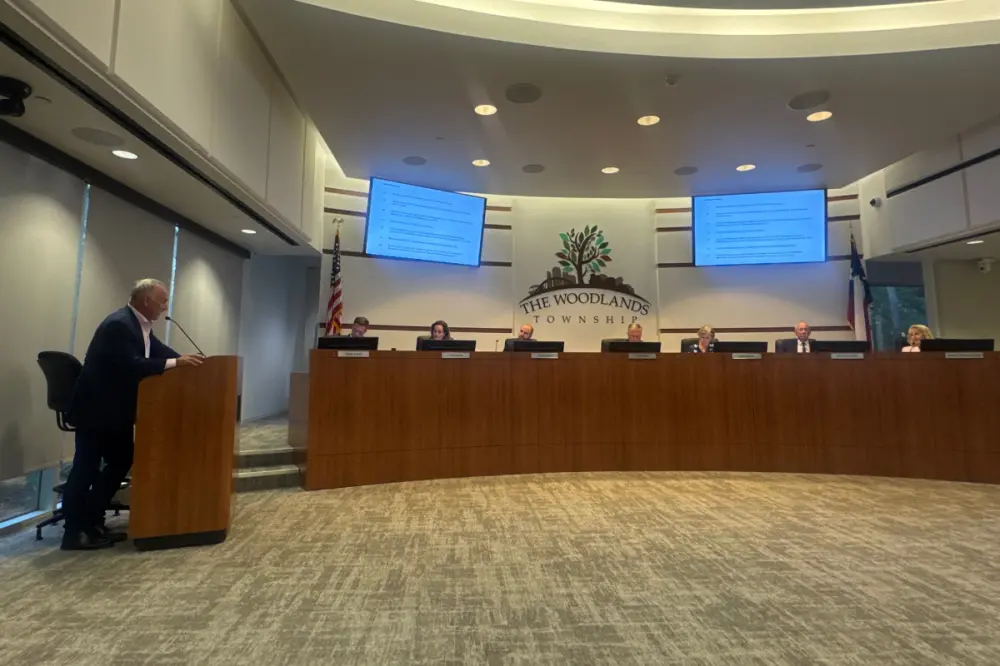
Tomball City Council received a progress update Jan. 5 on the Tomball Archive and History Center, a city-backed program designed to preserve municipal records and community history—and eventually make those materials easier for the public to search and use.
The setup
City archivist Allison LaRocca told City Council the Tomball Archive and History Center serves as “the main repository for the historical permanent city archives and records, as well as community donated materials,” and that she focused the last quarter on building the foundation the center needs to run “in a legal and accountable and responsible way.”
The quarterly report lists progress inside the archive space, including organizing and labeling shelving, purchasing and inventorying archival supplies, setting up a climate monitoring system, and adding digitization equipment.
The city also drafted core policies to guide how the center operates—covering topics such as accessioning and deaccessioning, access and use, gifts and donations, and preservation—along with a proposal for a joint advisory council to help guide the archive’s long-term direction.
On the collections side, the report shows the center has already started intake work on three collections, including the Tomball Garden Club and First Baptist Church, with inventory work underway.
What’s next
Looking ahead, the quarterly report outlines five priorities for the next quarter: finalize a city-county intergovernmental working agreement, move toward a joint advisory committee, select an archival management system for digital access, begin processing collections for public access, and increase community awareness and donor engagement.
City staff also flagged outstanding questions around older donated materials, including 1913 newspapers currently held under the Harris County Public Library’s custody, while staff sort out documentation and the “legal transfer of custody.”
Council members emphasized the archive’s community-facing goal, and staff signaled they want items from residents—no matter where those residents live now.
“They could live in New York City,” LaRocca said, as long as the materials connect to the area’s “growth and development.”
Residents who have photos, documents, ledgers or other historically significant items tied to the Tomball area can contact LaRocca at [email protected] to start the donation or digitization conversation.