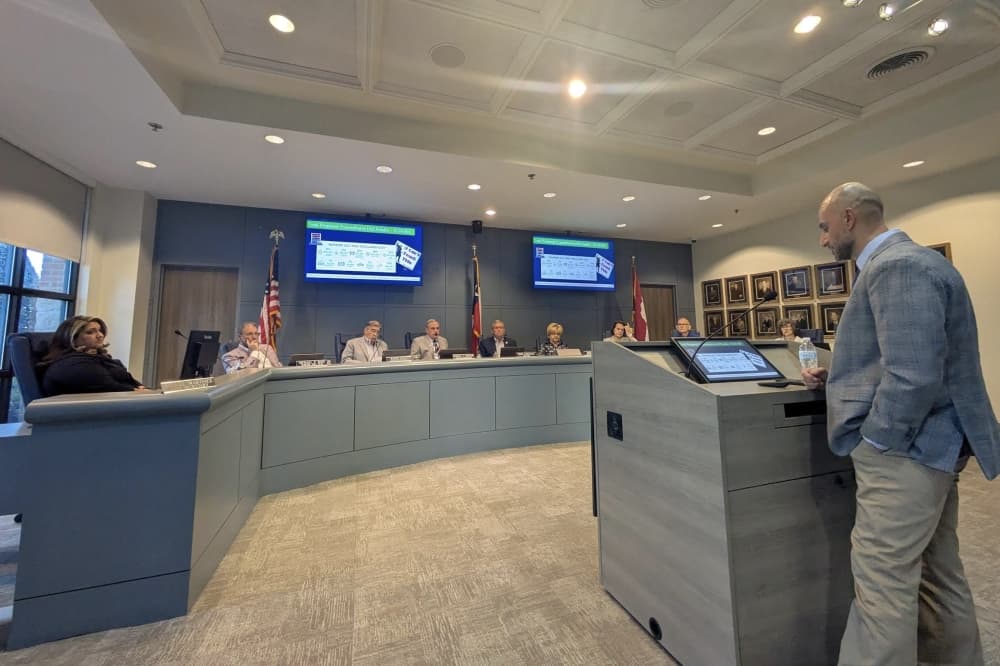
Fort Bend ISD will launch seven new programs in the 2026-27 school year as a part of its Fort Bend Redesign program aimed at retaining and recruiting students as district growth stabilizes, officials announced at a Feb. 23 board meeting.
The programs come after the district launched its premier opportunities at elementary campuses offering low-cost field trips, student-led projects and community partnerships with a focus on renewable energy, biodiversity, leadership, digital media literacy and transportation, Superintendent Marc Smith said.
The options
The new programs encompassing both primary and secondary schools will go into effect this fall:
1. High school virtual learning
The completely online program will be open to any student previously enrolled in a Texas school district, said Jaretha Jordan, FBISD's deputy superintendent of teaching and learning. The school will be hosted by Kempner High School and will offer approximately 100 seats during the first year.
A third party will supply content and instructors to students that is within the Texas Education Agency’s academic guidelines.
2. Middle school choice programs
The middle school choice programs will implement a “school within a school” model, letting a certain population of students get “exposure early” on subjects that correspond to their interests, talents or career aspirations, Jordan said.
Confirmed choice programs include:
- Aviation and aerospace at Coleman Middle School
- Artificial intelligence at Crockett Middle School
- Creative arts and innovation at Garcia Middle School
- Leadership and civic engagement at Sartartia Middle School
Two additional programs will also be offered, Jordan said.
3. Two-way dual language program
The program will give students the opportunity to be taught in two languages—English and Spanish—to increase bilingualism and biliteracy, Jordan said.
The program will be open to 44 incoming kindergarten students at Colony Bend and Barrington Place Elementary Schools for the 2026-27 school year, with intentions for children to continue through fifth grade.
The curriculum will be 80% Spanish and 20% English, eventually changing to a 50-50 split by the third grade.
4. Mandarin immersion program
The program will give students the opportunity to be taught in two languages—English and Mandarin—to increase bilingualism and biliteracy, Jordan said.
The program will be open to 22 incoming kindergarten students at Colony Meadows Elementary for the 2026-27 school year, with intentions for children to continue through fifth grade.
The curriculum will be 70% English and 30% Mandarin for all six years of elementary school.
5. Limited open enrollment
The district will open enrollment at any programs or campuses with additional space for students outside of the program, Chief of Organizational Development Stephanie Williams said.
6. Employee child care
Select parents and grandparents who are employed by FBISD can take advantage of a full-time day care initiative for kids who are at least 2 years old, Jordan said. It will be tuition-based and is located at the James Reese Career and Technical Center, with 30 spots available the first year.
7. Leadership pipelines
The district is looking to expand its leadership advancement procedures by offering job-embedded opportunity pathways, Jordan said.
Available pathways include:
- Aspire path for teachers who wish to become assistant principals
- Ascend path for assistant principals hoping to make the jump to principals
- Accelerate path for associate principals looking to become principals
- Elevate path for principals who wish to move to central office members
The cost
All of the programs will be funded by money set aside in the existing deputy superintendent teaching and learning budget, Jordan said.
Additionally, the district can pursue an additional funding source through Senate Bill 1882, passed by the Texas Legislature in 2017, allowing school districts to sign a performance contract with a separate outside partner to obtain more state funding.
Partners can be areas such as child care, higher education or leadership development, with the district serving as the main “decision maker” that oversees academic, financial, operational and governance performances of the school.
Meanwhile, the chosen partner will dictate staff, curriculum, scheduling, budget allocation and daily operations, although the district can receive up to $1,500 per participating student from the state.
However, the district is in the “early exploration” stage of finding partners and will share additional information at a later date, Jordan said.
What they’re saying
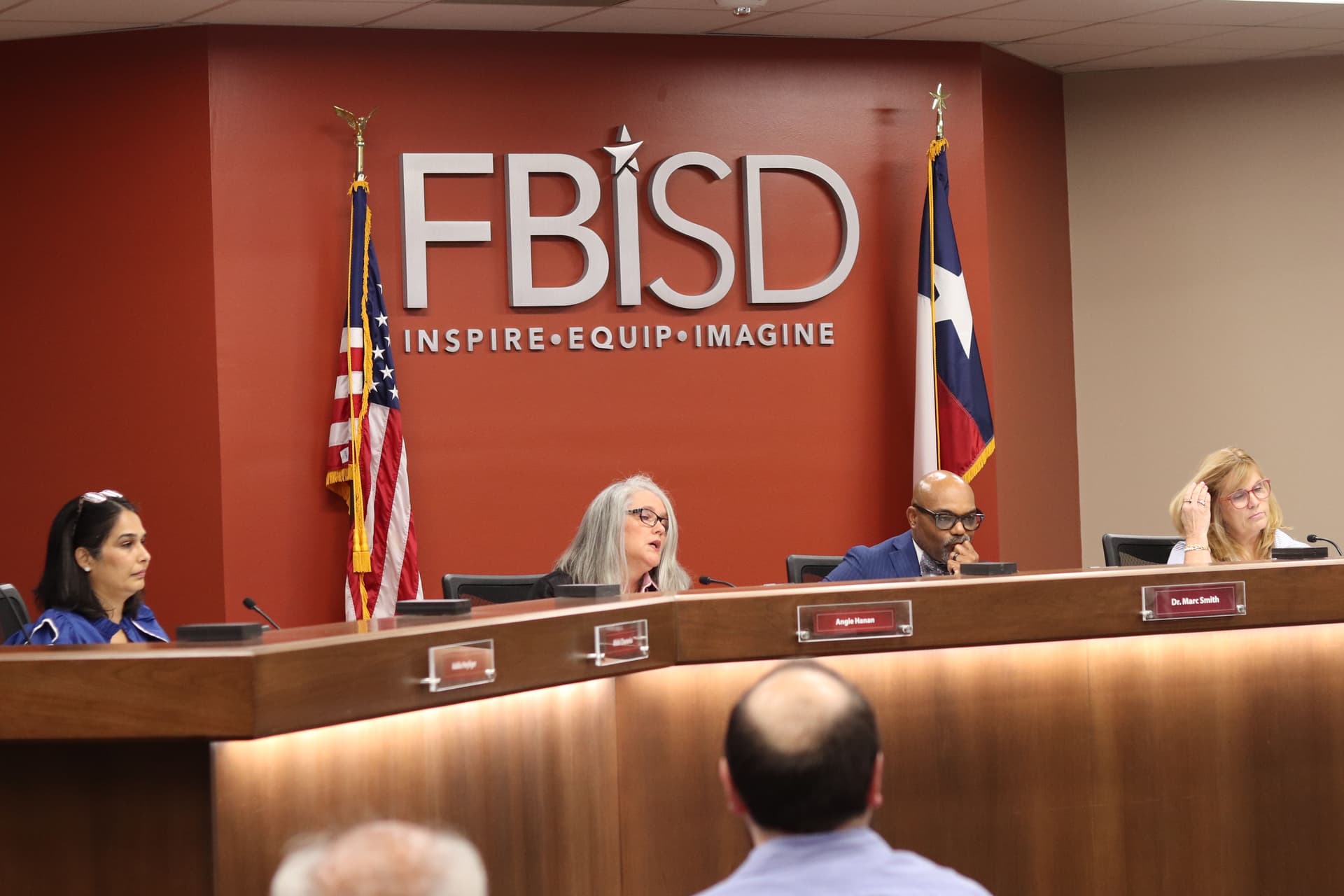
Several board members, including Vice President Angie Hanan, advocated for a separate, independent virtual high school instead of students' scores and rankings being tied to Kempner High School.
“My deepest concern is the students that are sitting face-to-face,” Hanan said. “I want that virtual opportunity because I think it's an amazing opportunity to grow students, an amazing opportunity to bring revenue into the district but I just don’t want that to happen at the expense of our current Kempner students.”
However, due to the time constraints, the district will need to move forward with the host campus method to ensure they can launch in 2026-27, Smith said.
“We do prefer the standalone model but the reality is that it is a time-consuming process through [Texas Education Agency],” Smith said. “We wanted to do something for our students, and this gives us a pathway to enter into the virtual component and then down the road, hopefully we can get to a standalone model.”
Looking ahead
The district is expected to publish academic criteria and available seats the week of March 2 and will run applications from March 23-April 24, Williams said. Officials will begin selection notifications the week of May 4, with programs beginning in the 2026-27 school year.
Jordan said the seven programs are the first phase of a multiyear process directed toward “rethinking what education looks like in 2026.”