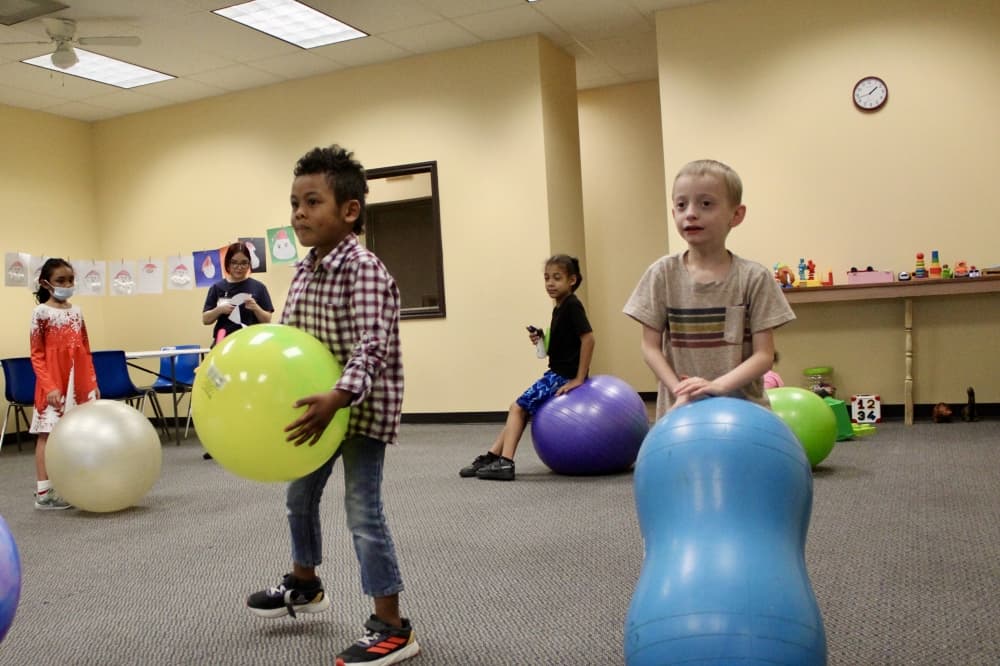
Children with learning differences are exposed to play together to practice socializing. (Jovanna Aguilar/Community Impact)
Melanie D. White, founder and lead practitioner of Auxiliary Autism Programs & Services, transitioned from grant writing to autism therapy in 2020 after being inspired by a documentary during the COVID-19 pandemic.
After earning a certification in Floortime autism, White spent time working at several Applied Behavioral Analysis autism centers where she said she realized there was something missing for individuals with learning differences.
About the program
With a staff of five trained therapists, Auxiliary Autism provides services for children ages 4-17 with autism, attention-deficit/hyperactivity disorder, Down syndrome, dyslexia and other developmental and learning differences.
In addition, White said AU has plans to expand its services to young adults ages 18-24 early this year.
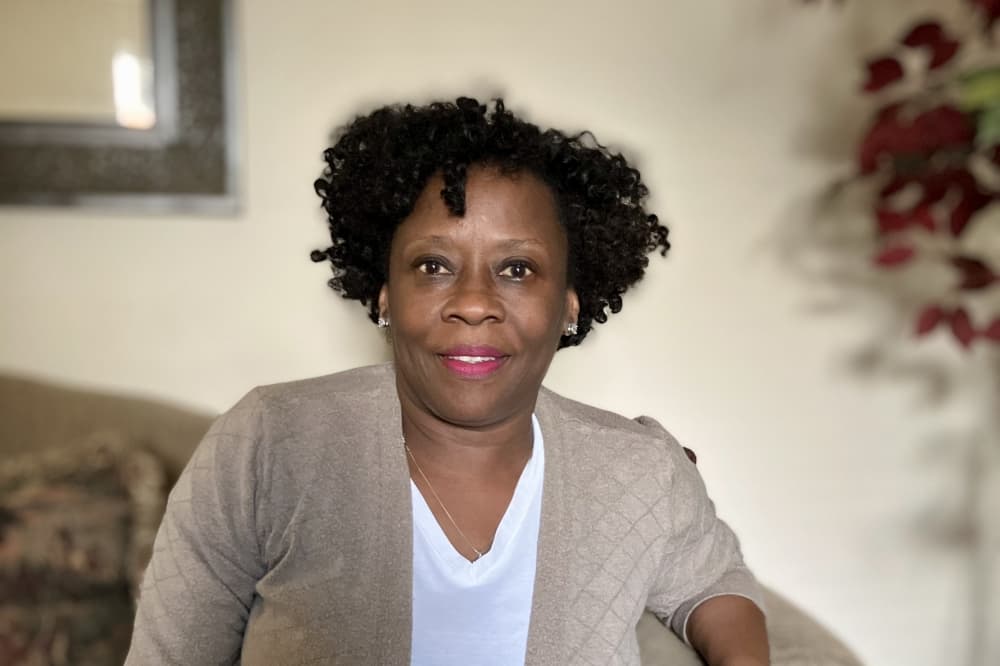
Melanie D. White is the founder and lead practitioner of Auxiliary Autism Programs & Services. (Courtesy Auxiliary Autism Programs & Services)
Each staff member is trained in behavior modification, communication inclusion, American Sign Language, cognitive skills and development.
Through its programs, the Level 2 Floortime autism center uses several methods of therapy, including:
Art therapy
Music meditated intervention
Floortime
Play therapy
Foundational concepts of ABA
Relationship development intervention
With 20 students registered at a time, White said she offers a variety of services, including academic support, ASL, behavior modification, cognitive strengthening, life and social skills, toilet training, and food exploration.
“Many autistic children, because of sensory taste or the texture, won't eat,” White said.
With independence and inclusion in mind, White said at AU she strives to help individuals with learning differences gain the tools needed to be independent, go to college and someday live independent lives like any other individual.
What else?
Most recently, in August, AU added a full-day program for a capacity of 10 kids in which children are able to learn with several strategies combined. With 90-day progress reports and one-on-one sessions with parents, AU tracks its students progress and evaluates the effectiveness of their tailored plan.
“We can't just lump them in one category and say they're all going to learn this way,” White said. “You and I don't learn the same way, so we shouldn't expect them to learn the same way.”
Through its programs, AU also offers Social Saturdays in which children are given the opportunity to learn to socialize among each other.
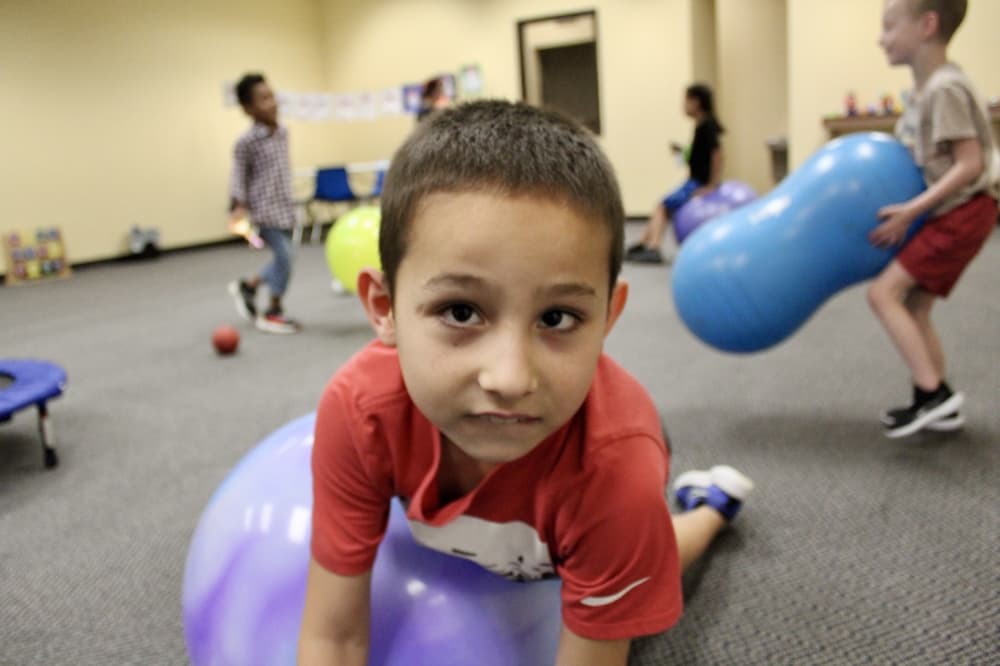
Play therapy is one of the methods of therapy practiced at AU. (Jovanna Aguilar/Community Impact)
To further bridge the gap between children with disabilities, White said she has plans to expand with Auscape in the spring. Located minutes away from AU on Strack Road, Auscape will be an entertainment center in which children can play games from rock climbing to go-kart racing; and children with autism and learning disabilities will have the opportunity to play among themselves and others.
“Auscape will be open to all children,” White said. “I think if we do it this way, we can open more minds and more hearts to those children. So my mission is more inclusion.”
With programs running from $375-$850 a month, AU is able to offer personalized services in which each child is able to meet individual goals within a year of being in the program.
As an advocate for children with autism White is also a member of the Council of Parent Attorneys and Advocates, or COPAA, in which she voices the concerns of parents to children's teachers.