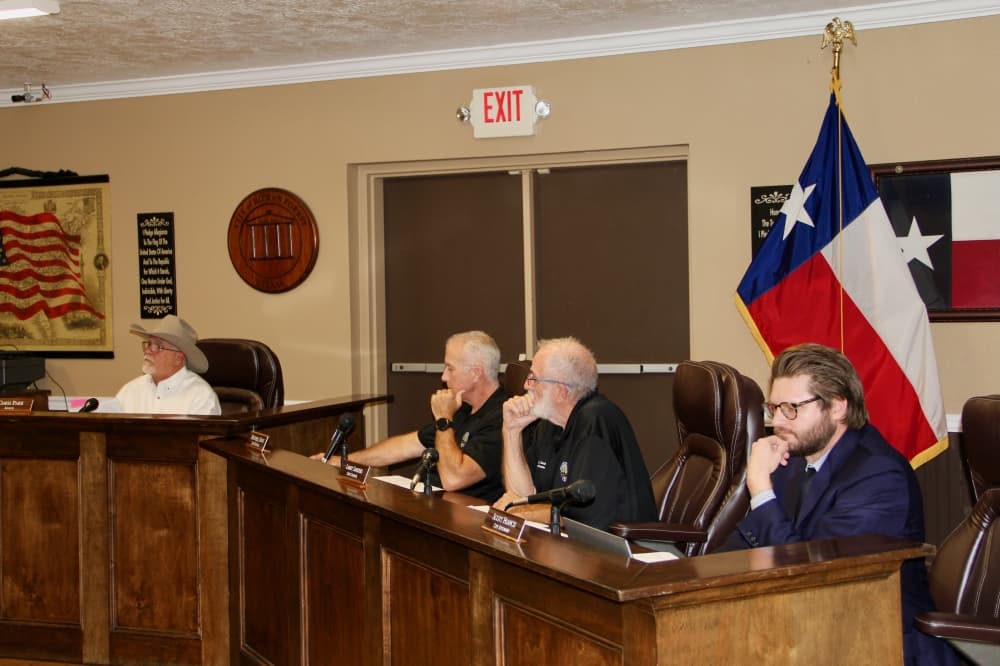
During a Dec. 17 workshop, Roman Forest City Council considered whether the city should move forward with a pair of commissions related to the city’s push to enact zoning ordinances next year.
The details
In September, council members approved a comprehensive plan for the city, which Roman Forest City Attorney Scott Francis said laid the groundwork for potential zoning regulations.
Before moving forward with the potential zoning ordinances, Francis said city officials needed to determine whether they would create a planning and zoning commission and a board of adjusters.
A closer look
If created, Francis said the planning and zoning commission would not act as an actual governing body. Instead, he said the commission would be charged with submitting reports to council members, who would then vote to either approve or deny recommendations.
Francis said the appointed members of the planning and zoning commission could include existing City Council members or entirely new appointees. Additionally, Francis said the city could choose to forgo the creation of the commission altogether.
“As a general law city, you don't have an obligation to create a planning and zoning commission,” Francis said.
Francis also said the council would need to determine whether it wanted to create a board of adjusters, which he said would be responsible for reviewing potential appeals to the city’s zoning requirements.
“[The board of adjusters] can also be [the City] Council, or it can be an independent body, but it is essentially the reviewing body for any appeals that citizens might have for certain regulations that they find to be negatively affecting them or believe to be problematic in any way,” Francis said.
Council member Mitchell Davis asked whether there were any potential negative consequences to the creation of a planning and zoning commission or a board of adjusters when the City Council could serve in the same capacity.
Francis said the creation of these committees is often necessary for larger cities because they tend to have larger workloads. However, he said smaller cities like Roman Forest are usually easier to manage.
“Legally speaking, there's not necessarily a negative to creating a completely separate zoning and planning commission other than it adds a bureaucratic step that cities sometimes see as unnecessary,” Francis said.
Some context
Francis noted the city’s comprehensive plan contained 10 potential land-use categories that could be used for zoning regulations, including:
- Single-family residential detached
- Single-family residential attached
- Manufactured and mobile housing
- Neighborhood commercial
- Public institutional
- Parks and recreation
- Forested and open space
- Agricultural
- Utilities and easements
- Vacant or undeveloped
Francis noted the zoning regulations could not prevent a particular business from coming to the city, but they could be used to restrict where specific businesses are allowed to exist within city limits.
What’s next
While council members did not determine how they wished to move forward regarding the creation of a planning and zoning commission and a board of adjusters, Francis said the city could potentially move forward with zoning ordinances as early as late January.