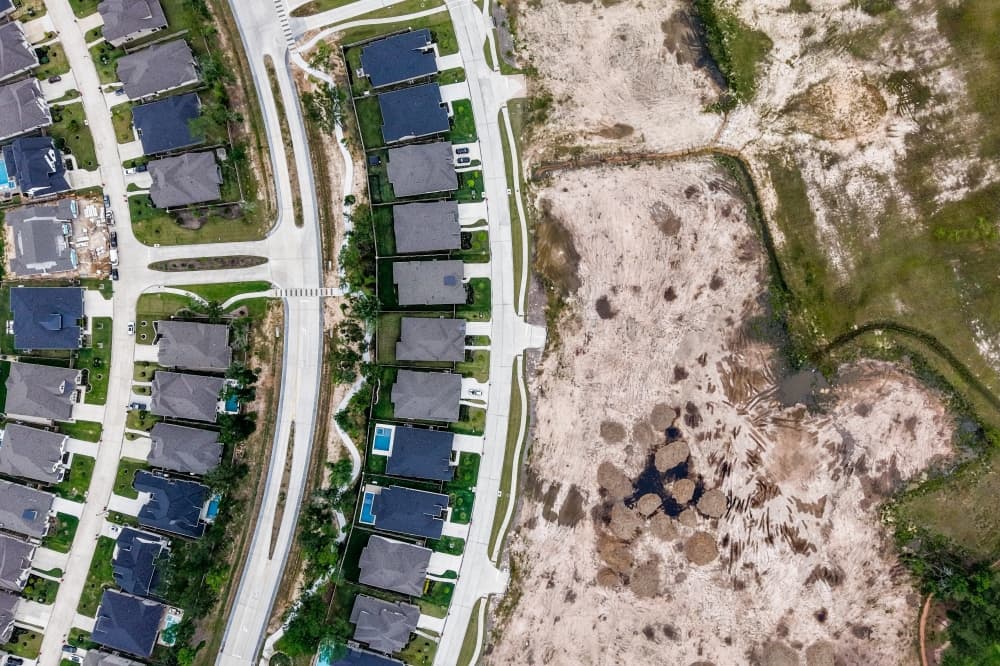
Residents in East Montgomery County are adjusting to rapid growth as many portions within the region have either transitioned or are transitioning from rural to more urban areas.
Defined by the 77357 and 77365 ZIP codes, the New Caney and Porter area’s population has risen from 64,176 residents in 2020 to 84,010 residents in 2024—a roughly 30.1% increase, according to U.S. Census Bureau data.
The overview
Meriam Shaw, Realtor with Keller Williams Elite, said she believes the response from residents to the growth has been twofold.
“I think many residents appreciate the convenience that growth has brought,” Shaw said, pointing to the expanded shopping, dining, health care and entertainment opportunities offered in the area. “At the same time, some longtime residents have understandable concerns about increased traffic, road congestion, school crowding and preserving the quieter character that originally drew many families to these communities.”
Shaw also noted the growth has led to increased housing opportunities in the area. According to a March 2026 report by demographic firm Population and Survey Analysts, the area is projected to receive more than 17,000 new housing occupancies within New Caney ISD’s boundaries by October 2034.
While the response from homeowners has been mixed, business leaders around the community said the growth has created more opportunities to bring high-wage jobs and business diversity within the region.
“We are seeing increased investment in retail, health care, industrial development, housing and infrastructure, which is helping diversify the local economy and expand access to jobs and services closer to where people live,” said Mark Linabury, Greater EMC Chamber president and CEO.
A closer lookRoberta Guillot, who moved to Porter Heights in 2001, said traffic has been a main concern as the area continues to grow.
“It’s frustrating,” Guillot said. “Hwy. 242 traffic redirects homeowners to go from FM 1314 to [the Grand Parkway] to avoid the traffic, which now causes more traffic on this side.”
While Guillot said she believes county officials have done a good job maintaining roads amid the growth, she said more help is needed.
“We need the Texas Department of Transportation to step it up and help us out, too,” Guillot said.
However, Guillot noted there have been positive aspects associated with the growth. Since master-planned community Artavia was built north of her property, she said drainage in the area has improved.
“When we moved out here, Porter Lane and Old Houston Road would flood and become impassable for small cars,” Guillot said. “Since Artavia created the new drainage system that leads to the river, Old Houston Road and my backyard rarely hold water anymore.”
Robin Miller, who has lived in Roman Forest for eight years, said she’s concerned the rapid development occurring near the city could negatively affect residents who moved to the area to escape urban life.
“Many of us moved here because it was the ideal mix of country, rural and suburban life,” Miller said. “Now, the forest is quickly disappearing, and we’ve got an over-abundance of chicken restaurants, Tex-Mex restaurants, nail salons, dental clinics and gas stations.”
Still, Miller said she believes Roman Forest has managed to maintain its small-town feel.
“Even the addition of the more high-density housing toward the back of us hasn’t changed that feeling all that much,” Miller said.
Also of note
In October, Roman Forest City Council members approved a comprehensive plan that will allow officials to implement zoning regulations.
“Development is inevitable, but we would like to control and focus the look and feel of the city to maintain its heritage and character over time,” Roman Forest Mayor Pro Tem Mitchell Davis said.
While Davis said the response to the growth has been mixed, he noted it has brought younger residents to the area, which he said is great for the long-term maintenance of the city.
The impactKelley Mattlage, chief operating officer for the East Montgomery County Improvement District, said the growth has given EMCID more leverage to recruit businesses into the area.
“Higher traffic counts mean we can finally have substantial conversations with higher-end [businesses],” Mattlage said.
EMCID offers a variety financial incentives to businesses and developers to recruit them to the area, according to the district's website. Among the major development's the district has helped bring to the area include:
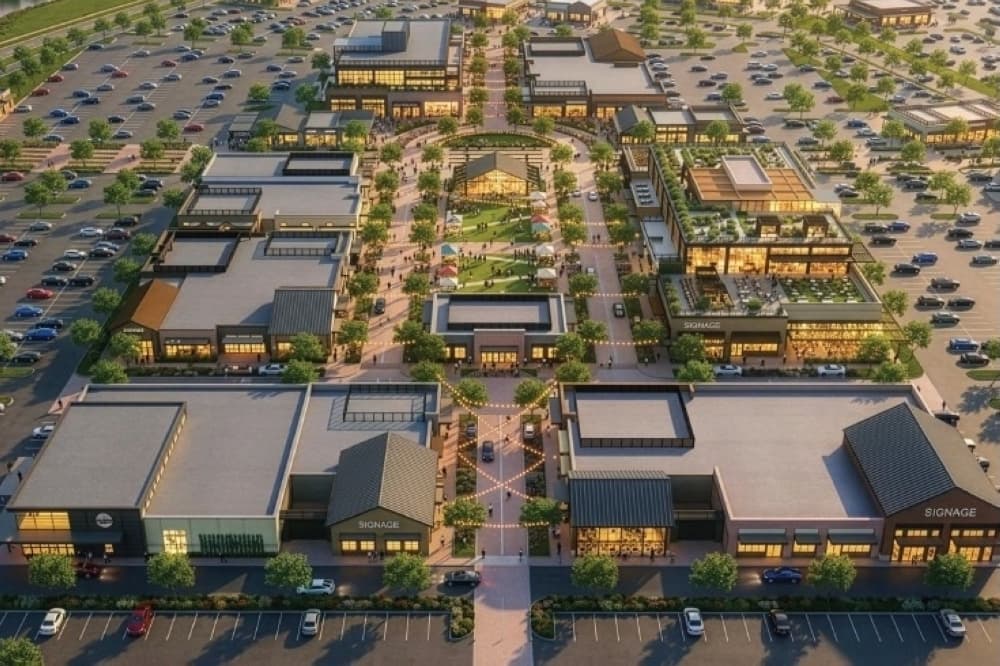
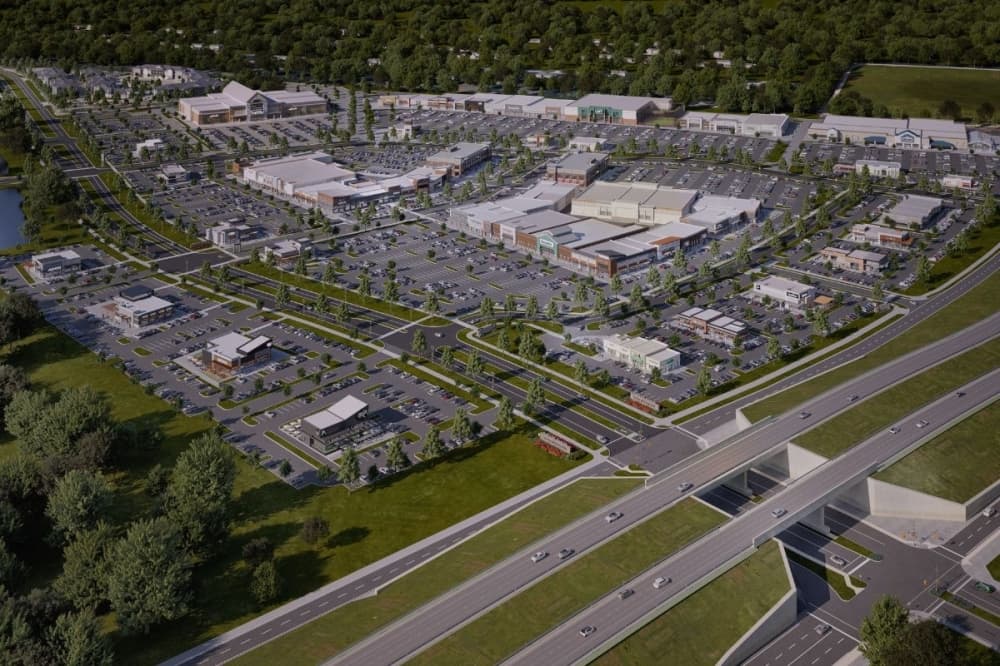
- Valley Ranch Town Center: a 240-acre mixed-use development in New Caney, featuring more than 1.5 million square feet of retail, dining, and entertainment space
- EMC Industrial Park: a roughly 900-acre industrial park that has attracted dozens of businesses, including Lowe’s, MultiSeal and YMER Technology
- GCP Paper: a 565,765-square-foot manufacturing facility projected to bring 250 jobs
- EMC Convention Center: a 210,000-square-foot space aimed at hosting trade shows, youth sporting events, expos and galas
What’s nextWhile Shaw said there are still many underdeveloped areas throughout East Montgomery County, she said future development should be carefully planned. “Balanced and responsible growth is key,” Shaw said. “When development is paired with infrastructure improvements ... and long-term vision, it can create opportunity while still preserving the [area’s] values.”