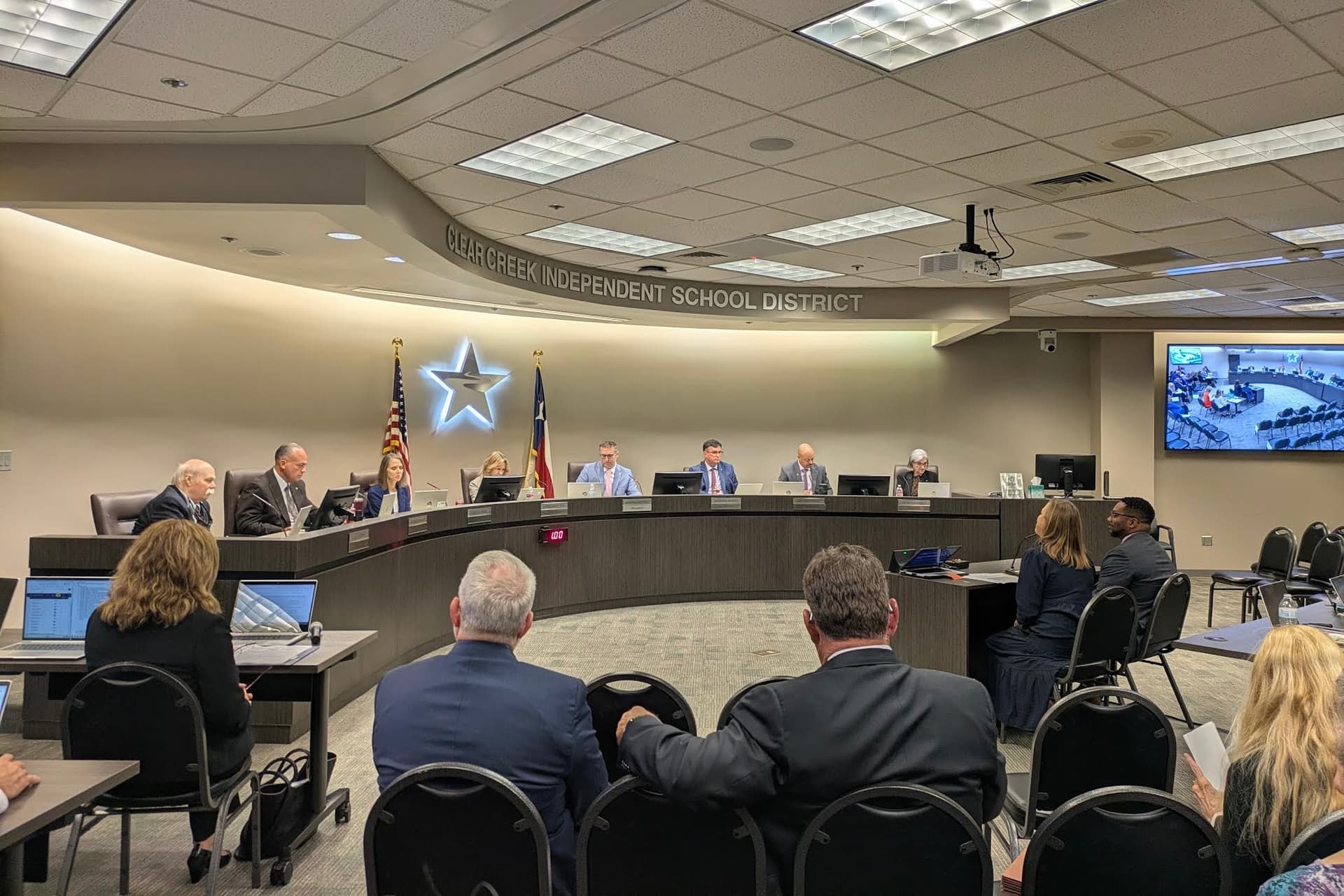
Humble ISD trustees discussed the district's plan to implement a new requirement for Texas school districts to use buses containing three-point seat belts.
The details
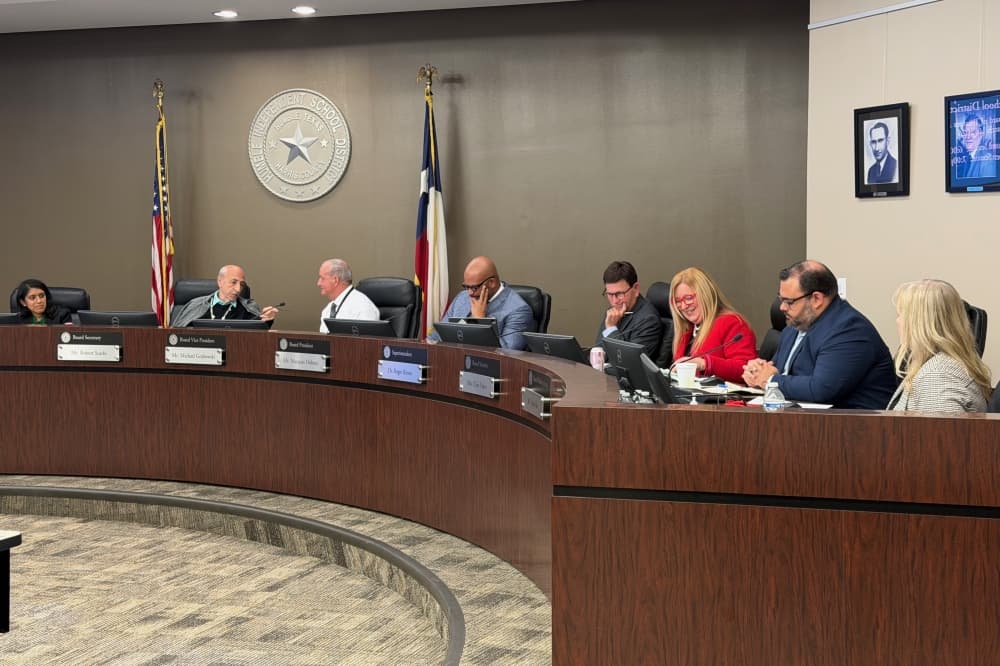
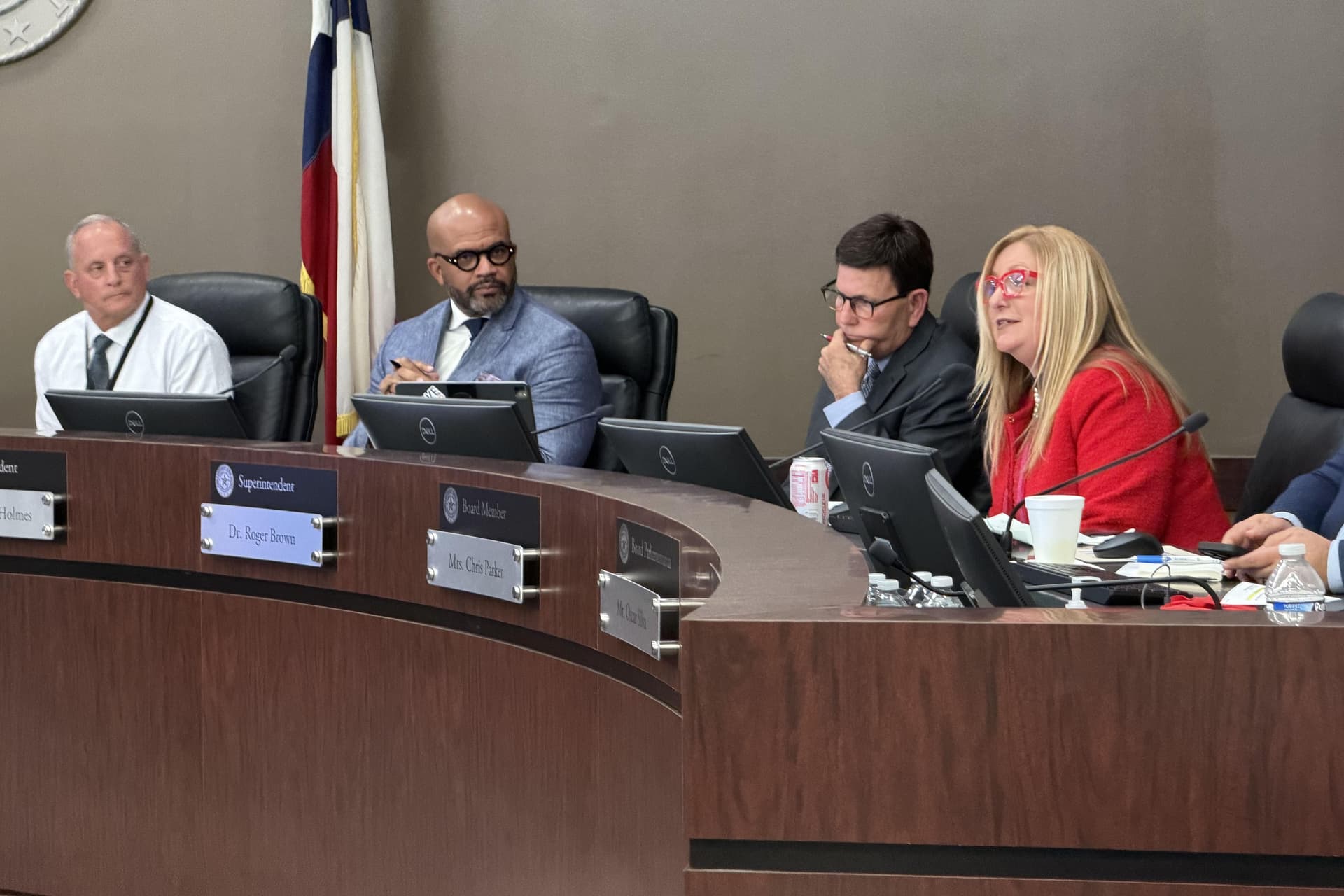
Jason Seybert, HISD associate superintendent of support services, briefed trustees during their April 14 meeting.
Seybert noted the mandate stems from Senate Bill 546, which was approved during the state's 2025 legislative session. The bill requires all public school buses to have three-point seat belts by September 2029.
“Some of our buses have a two-point seatbelt right now or no seatbelt at all,” Seybert said. “However, [state officials] know not everybody currently has the funding to put that into their buses or buy new buses that meet that requirement.”
Seybert noted, per the bill, districts that cannot currently afford to meet the new stipulations are required to notify the Texas Education Agency of the following information by the end of the 2025-26 school year:
- The number of buses with three-point seatbelts
- The number of buses with two-point seatbelts
- The number of buses with no seatbelts
- The estimated cost to retrofit the buses with three-point seatbelts
“We have to submit that information to the TEA by the end of May so they collect it and tell the legislative session how much money is needed across the state to make that happen,” Seybert said.
A closer look
To date, Seybert said the district currently has 94 buses with three-point seatbelts installed, 66 buses with two-point seatbelts and 148 buses with no seatbelts.
“About 31% of our buses meet that standard for the three-point seatbelt,” Seybert said. “The rest of our fleet does not, and that’s primarily because of the age of [those buses].”
To become compliant with the new bill, Seybert said the district would be required to spend:
- Roughly $7.5 million retrofitting 42 buses that currently have two-point seatbelts
- Around $1.7 million installing seatbelts on the 148 buses that currently have no seatbelts
- Roughly $4.3 million replacing 24 buses that cannot be converted
The total cost to the district to become fully compliant with the bill would come out to roughly $13.5 million, he said.
Seybert noted the added work required to convert buses with two-point seatbelts to be compatible with three-point seatbelts added a significant amount to the projected cost.
“We’d have to take out the whole bottom chassis and the floor and redo the way the seats work,” Seybert said. “It’s not an easy thing to do.”
What’s next
During the April 14 meeting, trustees approved a resolution notifying the TEA that the district’s budget does not currently allow for the immediate retrofitting and replacement of buses required to become compliant with the bill.
Seybert said he was hopeful the state would allocate additional funds to help districts meet the new requirements during lawmakers' next legislative session.
“As we continue to buy buses, we’ll continue to make sure they meet the requirements set forth,” Seybert said. “Then, we’ll see what happens with the next legislative session to help us afford this.”