Houston has 16 ZIP codes that are more likely to have risks of lead poisoning than other areas. Those residents may be qualified for free lead paint control from the city.
How it works
The Houston Health Department’s Lead-Based Paint Hazard Control Program provides services that help low-income residents identify, remove or stabilize lead-based paint issues for free.
To qualify for the program, residents must meet the following qualifications:
- Live in a home built before 1978
- Be in an eligible, high-risk area
- Do not live in a flood zone
- Have a resident under 6 years old
- Meet the financial criteria of middle-to-low-income
If a resident qualifies, HHD and state-licensed contractors can assist in two ways: abatement or interim control.
Abatement is a permanent solution, said Muhammad Farhad, the program manager for the lead-based program.
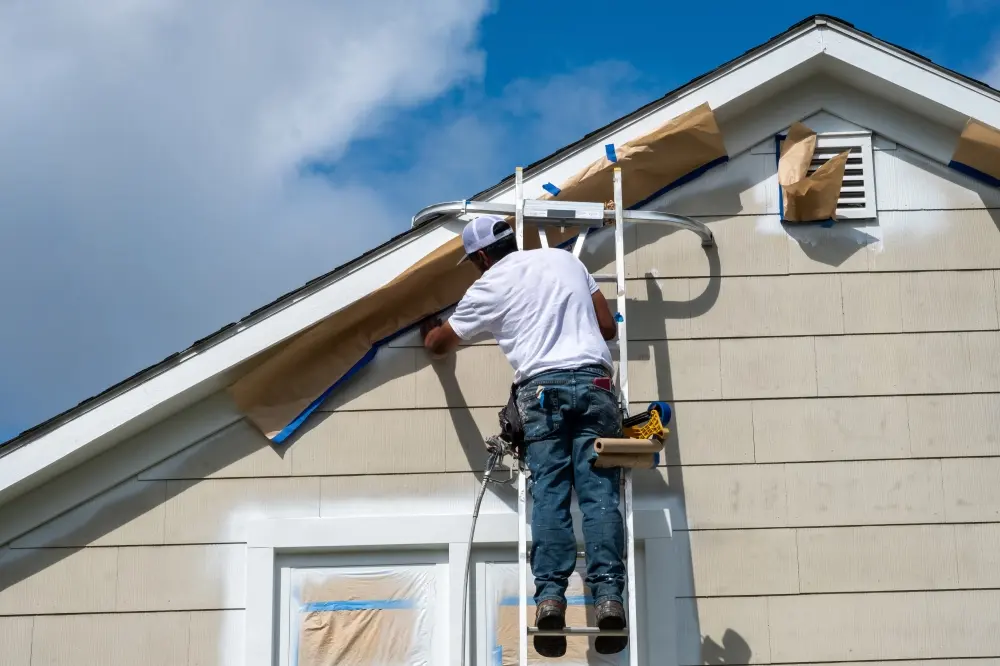
“Most of the time, when we abate the house, for example, we replace windows, we replace doors, we cover the exterior siding with vinyl siding and then paint it,” Farhad said.
Interim control is not a permanent solution, but it is a more common solution, he said. It is often used in areas that are not highly accessible, such as ceilings. The goal is for interim control to be done in areas that children do not have access to, he said.
“It may last for two to five years before it can start deteriorating again,” he said.
Why it matters
Lead can have negative health effects on children under six and pregnant people. HHD officials said lead can cause health problems that can affect development, including learning, behavioral development, hearing growth rates and nervous system development.
Who it affects
The city identified 16 high-risk ZIP codes in the city that are more likely to have lead poisoning issues. Those areas include:
- 77002
- 77003
- 77004
- 77005
- 77006
- 77007
- 77008
- 77009
- 77011
- 77012
- 77019
- 77020
- 77023
- 77026
- 77030
- 77098
According to HHD, these areas qualify as high-risk because at least 25% of residents live below the poverty level, at least 20% of houses were built before 1950 and historically, at least 10% of children have tested positive for blood lead poisoning.
One more thing
HHD officials encourage residents in affected areas who qualify to apply to the program. The city has had the program since 1995 and has assisted with over 4,100 houses. Farhad said they have an additional 400 homes in the pipeline to be completed by 2028.