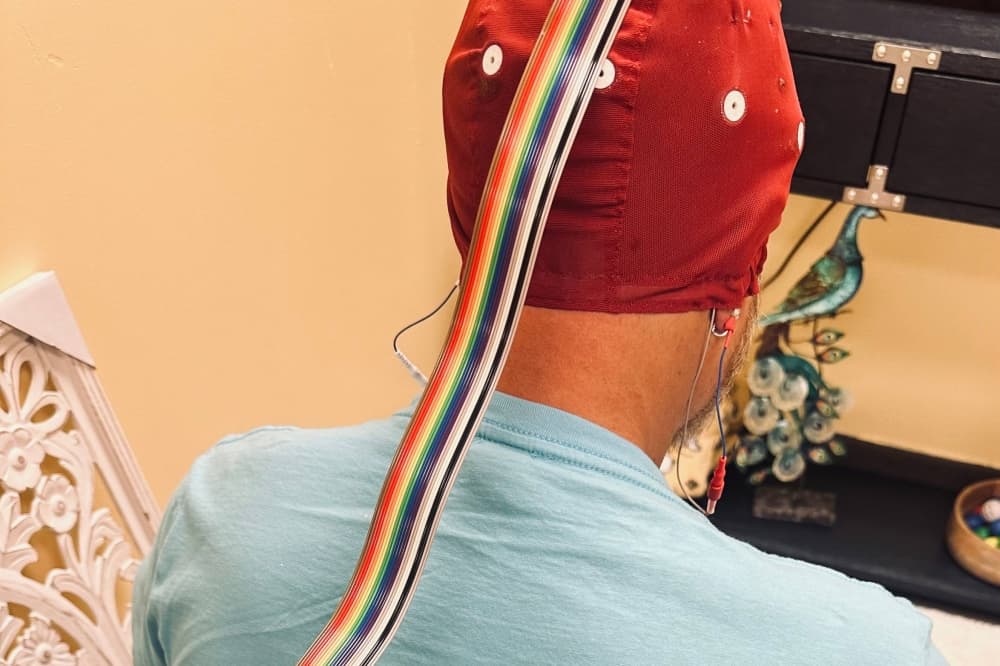
Neurofeedback has become popular in clinic across the state including at Brain Train Center (Courtesy Brain Train Center)
A new tool is being launched by mental health professionals, combining imaging with traditional counseling in a process called neurofeedback training.
According to the International Society for Neuroregulation & Research, neurofeedback treatments are aimed at assisting those struggling with ADHD, generalized anxiety, depression, post-traumatic stress disorder and other neurological-based disorders.
“This helps us create a plan that is tailored exactly to your brain and your needs,” Kylie Forgy, a neurobehavioral specialist at Cypress Counseling & Wellness, said.
How it works
The process begins with a brain mapping session—also known as a quantitative electroencephalography or QEEG—where individuals sit for 10-30 minutes with a series of sensors placed on the scalp.
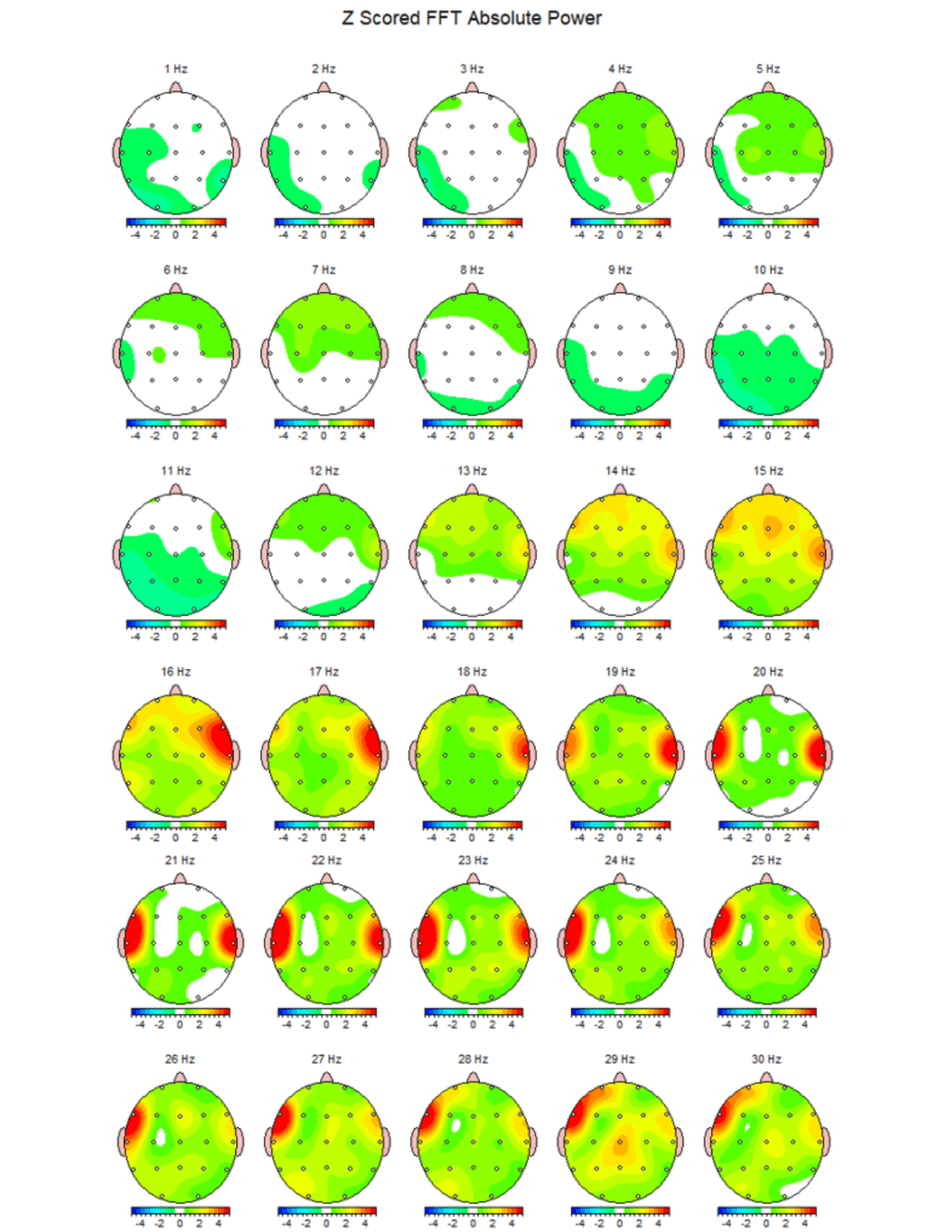
Individuals sit with the sensors through an eyes-closed portion, and then an eyes-open portion where the individual watches a video. The sensors measure the levels of brain activity in each portion of the brain, and a report is created based on a nationwide database of “normative” brainwave patterns to help identify hyper- and underactive portions of the brain.
“QEEG gives us the fingerprints, and then neurofeedback is the training and the treatment,” Forgy said. “It works in conjunction with your regular therapy, and it’s just an extra tool in the toolbox.”
What is it?
Forgy said these tests have been commonly used in diagnosing and treating epilepsy, head injuries and other serious conditions. However, the data is now able to be refined and used to provide visible data on conditions such as anxiety and depression to guide counseling as well as reinforce positive brain functions through multiple sessions.
Brain maps provide a look at hyper- and underactive portions of the brain, which help guide counseling treatment plans, neurobehavioral specialist Kylie Forgy said. (Courtesy Cypress Counseling & Wellness)
There are five types of brainwaves measured in neurofeedback, with each one reflecting specific states of mind and cognitive function:
Delta waves: Sleep, resting state
Theta waves: Deep relaxation, daydreaming
Alpha waves: Alertness, mindfulness
Beta waves: Active focus, anxiety
Gamma waves: Complex thinking, long and short-term memory
Forgy said the process serves as a noninvasive and nondiagnostic method of identifying potential negative patterns and is meant to be used in conjunction with additional counseling.
"[Neurofeedback] helps at a biological level and counseling helps to give you the tools to implement these changes, to self-regulate," Forgy said.