


The overview
During council discussion, council members said the goal is to recover the city’s actual costs for staffing, equipment and safety without making community events and small-business promotions unaffordable.
Council member Marsha Porter said the city is facing tough choices, adding that “either we raise taxes or we raise things,” and linking broader financial pressures to the city’s Hyatt Regency Hotel.
“I don't know that we would be charging the recovery fee if we weren't looking at the debt that's on the hotel because that affects every decision we make,” Porter said.
Zooming in
Council members approved a motion to suspend the higher fee and “revise the fees to $35 ... until further notice,” later amending the motion so the temporary rollback expires “no later than the second meeting in January,” when council expects to consider an updated fee proposal.
Council members also raised concerns that the $1,303 price tag, applied broadly, could immediately disrupt recurring events such as downtown’s Saturday morning market.
Council member Howard Wood said the market organizer had no permits lined up past Dec. 20 under the new pricing, and said one nearby business reported the market brings in about $5,000 in monthly revenue.
How we got here
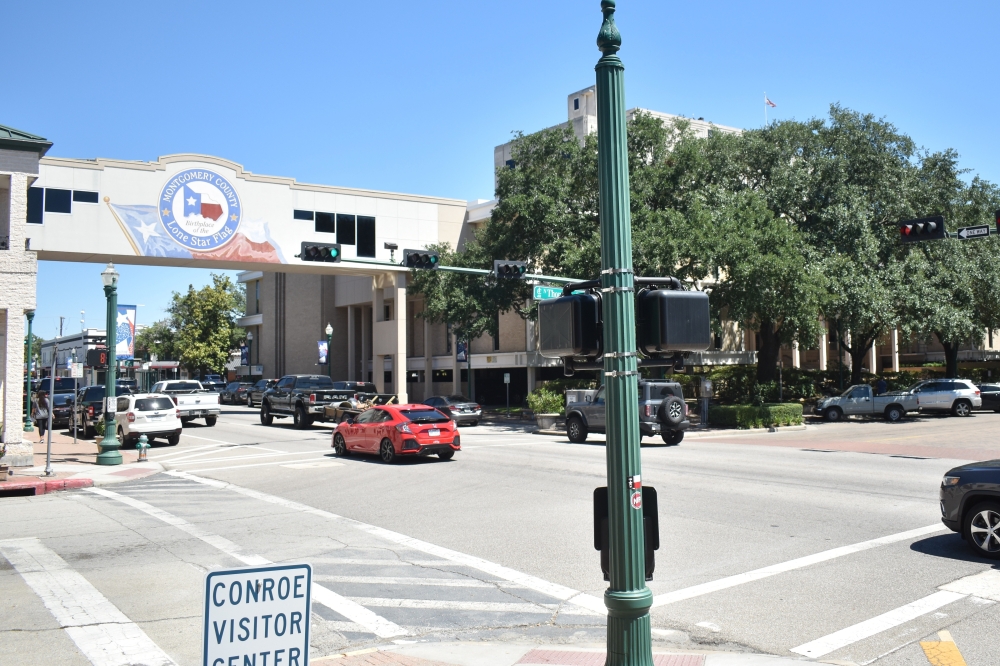
The rollback follows a Nov. 13 council vote that increased the street-closure permit fee from $35 to $1,303. The increase drew public criticism, including a petition and public comments arguing the change could price out small businesses and community events.
Several speakers during public comment urged council to reconsider, including San Cheng, downtown business owner of Dragon Bowl C, who told council the proposed fee would be higher than what he found in several other Texas cities and said he had gathered more than 2,000 petition signatures.
What’s next
Norman McGuire, assistant city administrator and public works director, told council there are “a multitude of ways” to set fees, including pricing events individually and building a more detailed ordinance that accounts for the city’s true costs, such as police, fire and public works support, based on event size and needs.
Council members floated several approaches they want staff to explore before returning in January, including a tiered structure, a “menu” of services with customized pricing, and potential deposits tied to cleanup and compliance.
“$35 is not sustainable. ... I think $1,300 there was a big overreach,” council member Harry Hardman said. “I think we need to be good stewards of the citizens' money, but I also want to encourage people to have these events.”