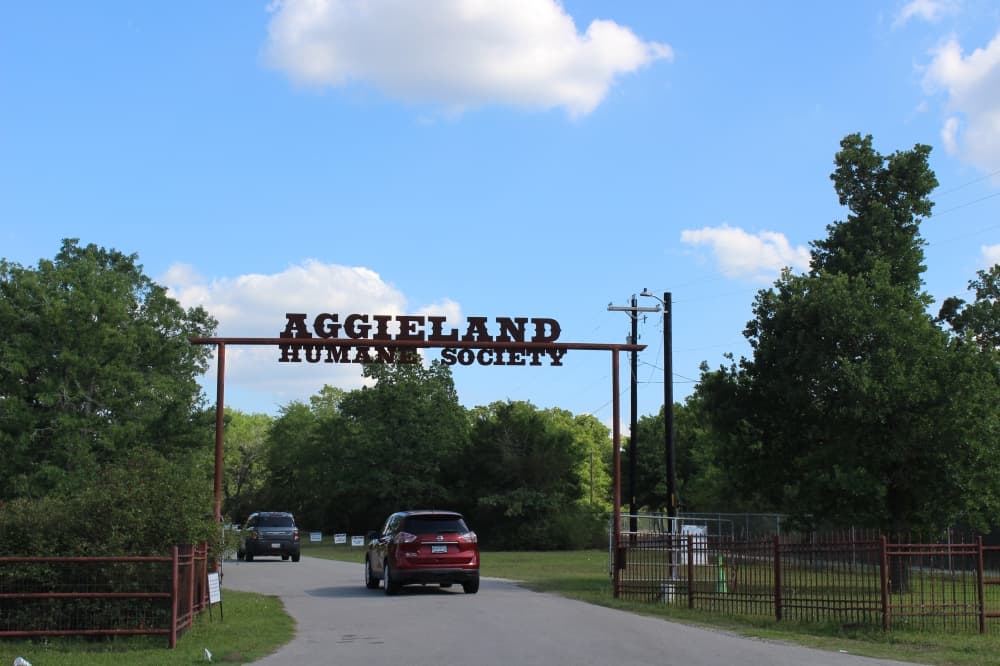
For many, Aggieland Humane Society in Bryan has been best known as the place to adopt a cat or dog for over 40 years. But staff says adoptions are only one piece of the organization’s growing mission.
As the nonprofit prepares to host its next quarterly vaccine clinic on April 14, the shelter has increasingly focused on providing preventive care, outreach services, and resources to keep pets with their families and out of overcrowded shelters.
What you need to know
“We don’t just do adoptions,” Ashley Quick, communication coordinator for Aggieland Humane, told Community Impact. “We’re on a mission to help pets in our community.”
Quick said some ways the shelter helps its pet community include offering medical care and food assistance.
Aggieland Humane Society takes in roughly 3,500 to 4,000 animals each year, but its reach extends beyond those entering the shelter.
About the spay & neuter program
All animals adopted through the organization are spayed or neutered before going home. That is one step, Quick said, that is critical in addressing the pet overpopulation problem. The shelter also operates low-cost spay and neuter services for qualifying residents, offering procedures at significantly reduced prices.
Since 2017, Aggieland Humane Society has performed more than 31,000 surgeries, officials said.
Aggieland Humane’s Outdoor Community Cat program focuses on outdoor cats—vaccinating and sterilizing them before returning them to their territory. This is a strategy designed to prevent unchecked population growth while keeping animals out of shelters.
Essentially, they’re working to solve problems before they become crises.
The impact
Hiring a full-time shelter veterinarian last year has allowed Aggieland Humane Society to expand medical services on-site, reducing wait times for treatment and limiting stress on animals who previously had to be taken to outside clinics.
Quick pointed to one case when a dog named Oats was brought in with a broken leg that hadn’t healed properly. It was very uncomfortable for him, she said. With help from Dr. Alex Pruett, Oats was able to get on medication for his pain and antibiotics.
Unfortunately, he also had an infection on that leg and had to get an amputation. Dr. Pruett was also able to perform that operation all in-house. It was their first on-site amputation.
“He was able to do better and be healthy so much faster because everything was different, able to be done here,” Quick said. “Then he got adopted by the most amazing family at Santa’s Wonderland.”
With a full-time vet, the shelter can now perform more advanced procedures, diagnostics and emergency care internally, which helps animals recover faster and become adoption-ready sooner.
How to help
Much of that work is powered by volunteers.
Volunteer & Event Coordinator Bella Hillman told Community Impact Aggieland Humane Society now has about 2,000 registered volunteers. Of those, 1,500 actively participate in programs that range from dog walking and cat socialization to outreach events and donation support.
Aggieland Humane Society has a low-barrier volunteer program aimed at making it easier for residents to get involved without a lengthy application and approval process.
“We want to have you help whatever way that you would like to help,” Hillman said.
Here are some of the ways, Hillman said, volunteers support Aggieland Humane Society:
- Walking dogs
- Cleaning kennels
- Cat house cleaning and enrichment
- Clean cat houses then play with cats
- Event help
- Pet food pantry
- Adoption events
- Vaccine clinic
- Dog day out
- Take an adoptable dog out for the day
The Aggieland Humane Society also has a program called “Paws and Pages.”
“If you have any homework that you want to do, or you just have a book you want to read with your kids, you can come do that as well,” Hillman said.
Another point of view
Volunteers often become some of the shelter’s strongest advocates. Jennifer Popescu, who began volunteering after adopting her own dog from the shelter, said the experience quickly became personal.
Seeing families receive help through community programs, including the pet food pantry, reinforced why she continues to volunteer.
While volunteering at the pet food pantry, Popescu said a gentleman hugged everyone after receiving food for his pet because he was so grateful.
“We’re ... helping people keep their animals. We don’t want them to go through an owner-surrender,” Popescu said. “We want them to keep their animals.”
What Aggieland Humane Society offers
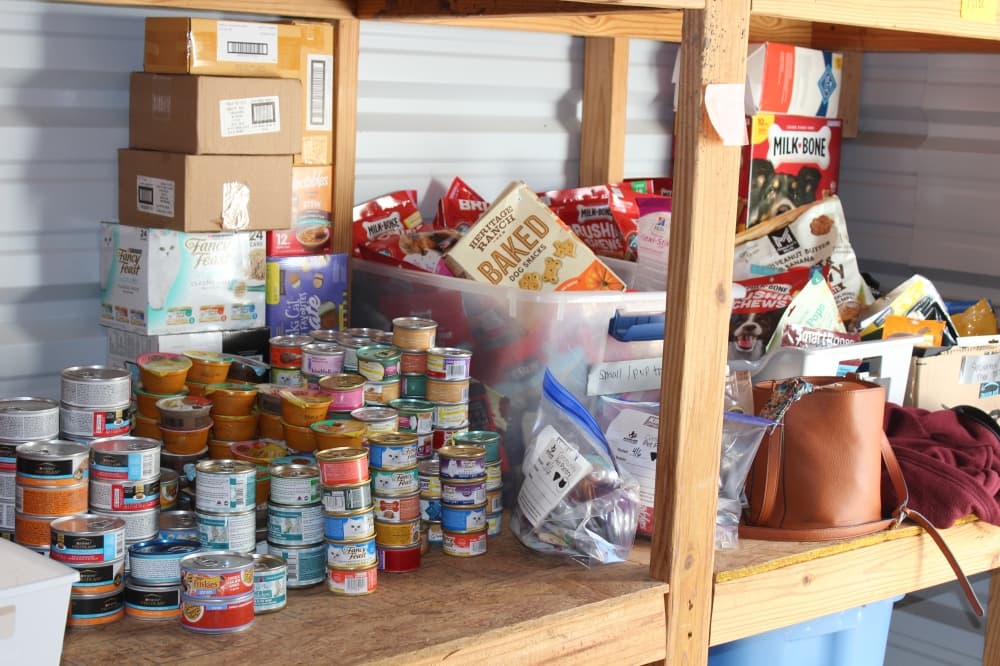
Since the Community Pet Food Pantry opened last June, Hillman said around 30,000 meals have been distributed to Brazos Valley pets. This is a monthly event made possible by donations.
Preventative services have become a central focus for the nonprofit as shelters face capacity challenges.
Aggieland Humane Society hosts a quarterly free vaccine and microchipping event with minimal barriers to participation. Quick said accessibility is key. Residents from surrounding communities are also welcome.
What’s next
That effort continues on April 14 with a drive-through vaccine clinic, expected to serve several hundred pets.
Organizers ask pet parents to keep their dogs on leashes and cats in carriers. Anyone in line before 7 p.m. will be assisted.
Why it matters
These clinics not only protect individual pets, Quick said, but also reduce the number of animals entering the shelter due to preventable illness or lack of identification.
As Aggieland Humane Society continues its programs, Quick said the organization’s long-term goal is simple: Reduce shelter intake by strengthening support systems on the outside. That includes foster opportunities and adoption events.