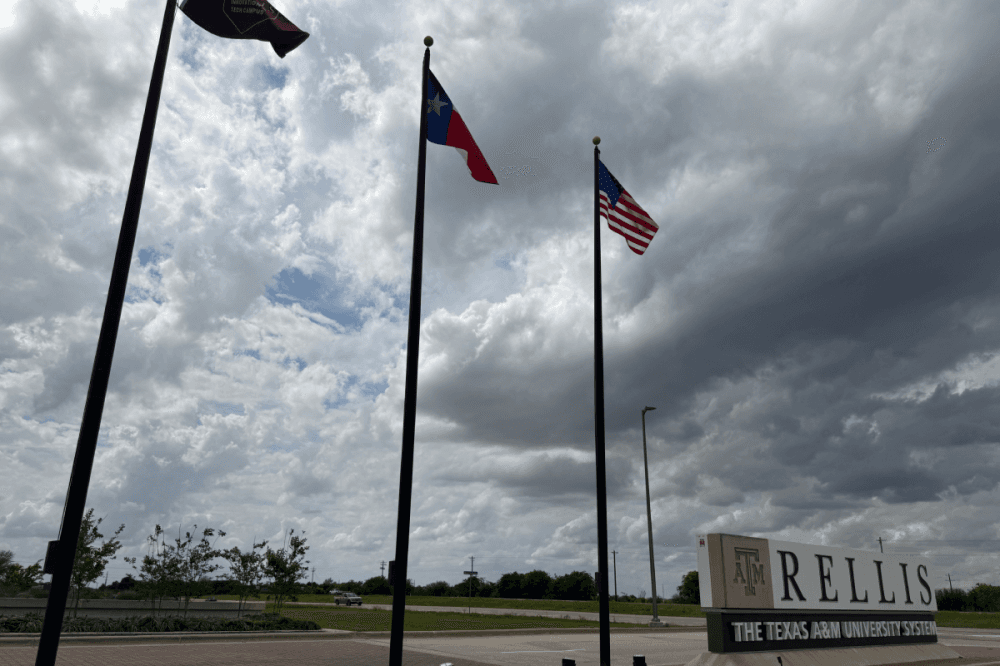
Texas A&M University has granted the use of 77 acres to Terrestrial Energy Inc. for the development of a small nuclear reactor at its RELLIS campus.
What’s happening?
Texas A&M and Terrestrial Energy have been working together since 2025 after the company joined the RELLIS Energy Proving Ground initiative. The company plans to build an Integral Molten Salt Reactor, which captures “the full advantages of molten salt fission technology and the superiority of a molten salt as a reactor coolant.”
According to a news release from Texas A&M, Terrestrial Energy was selected to be a part of the Reactor Pilot Program after President Donald Trump signed Executive Order 14301, which aims to fast-track nuclear energy programs and reactor deployment throughout the United States.
Texas A&M University System Chancellor Glenn Hagar complimented the choice of the RELLIS campus, along with the university being up to the task of meeting the country’s energy demands.
“The Texas A&M System was built to solve problems that matter to Texas and the nation,” he said in a statement. “Reliable power is one of those problems. At A&M-RELLIS, we are bringing industry, researchers and public partners together to work on practical energy solutions that can support growth, strengthen the grid and prepare students for high-demand careers.”
Zooming in
According to the U.S. Energy Information Administration, the country is set to break energy consumption records in 2026, with the growing use of natural gas, crude oil and natural gas plant liquids, or NGPL. Even with the large increase in wind and solar energy, the United States is still in need of other renewable energy sources.
Bryan Texas Utilities reported energy consumption in 2025 was 38,397,718 kilowatt hours, and the U.S. Energy Information Administration estimates that the state of Texas consumed more energy than many other states in 2024. With city and state energy usage continuing to rise, Bryan Major Bobby Gutierrez is welcoming the new program.
“Energy is the catalyst for everything that drives our state and nation forward,” he said in Texas A&M’s news release. “These critical challenges are courageously studied and tested every day at the RELLIS campus, making our community a world-class destination for advancing new technology. The City of Bryan is honored to help solve these challenges by supporting investments from companies like Terrestrial Energy.”
What’s next?
The United States Nuclear Regulatory Commission has approved licenses for new nuclear facilities throughout the country. Fifteen other states have new facilities, including Alabama, Michigan, Utah and Pennsylvania.
Texas A&M plans for the RELLIS campus to be a national hub for energy research and development. In May, the campus was also approved by the U.S. Department of Energy for a Preliminary Documented Safety Analysis for its PWR-5 pilot reactor project. It is expected to house several nuclear facilities and projects on campus grounds in the near future.