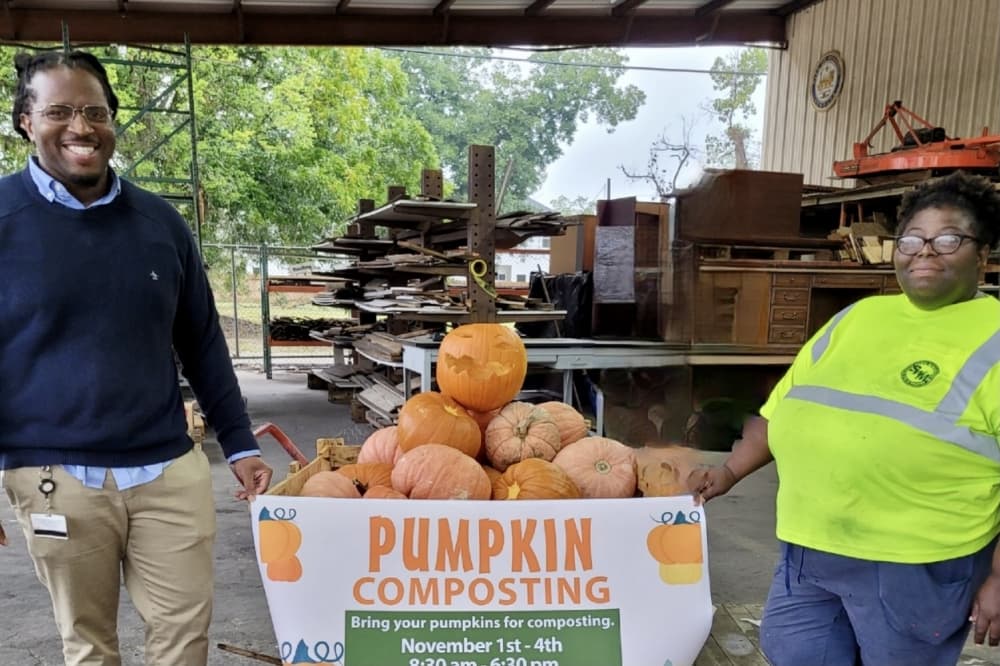
The Composting and Food Waste Reduction Grant Pilot Project has three main objectives to meet that goal:
- Engage with communities through online and broadcast media, printed messages and community outreach, including direct education regarding food waste and composting.
- Support the diversion of food waste entering the landfill from the Houston Food Bank, which generates food waste from retail grocery stores, farmers and processors.
- Work closely with community partners to launch and sustain additional residential food waste drop-off and compost distribution locations.
Council member Sally Alcorn said the SWMD applied for the same grant last year, but was denied. She said some changes were made to the application, and department officials are hoping to be awarded this year.
"It's a good grant," she said. "We are the fourth largest city in the country and this is going to save us from the landfills. Food waste is 25% of our municipal landfill. We are all going to compost one day, so this is a step in the right direction."
Did you know?
Composting, according to the Natural Resources Defense Council, is the natural process of recycling items such as leaves and food scraps into a fertilizer to enrich soil and plants. According to the NRDC, one of the main benefits of composting is reducing the waste stream and cutting the cost to landfills.