The Greater Heights Strategic Connections Plan is a study, led by TIRZ 5 in partnership with other agencies, that identifies infrastructure projects to improve access for individuals throughout the area via walking, biking, transit or driving. The study area includes Lazybrook, Timbergrove and Washington Avenue.
Community engagement was a major part of the study throughout the nearly yearlong project period, officials said, and many recommendations and priority projects were based on resident feedback.
The plan is now complete and includes 29 recommended projects that could help improve mobility throughout the area, with nine deemed as “Catalyst Projects,” or high-impact projects with effects on community-identified challenges, according to the study.
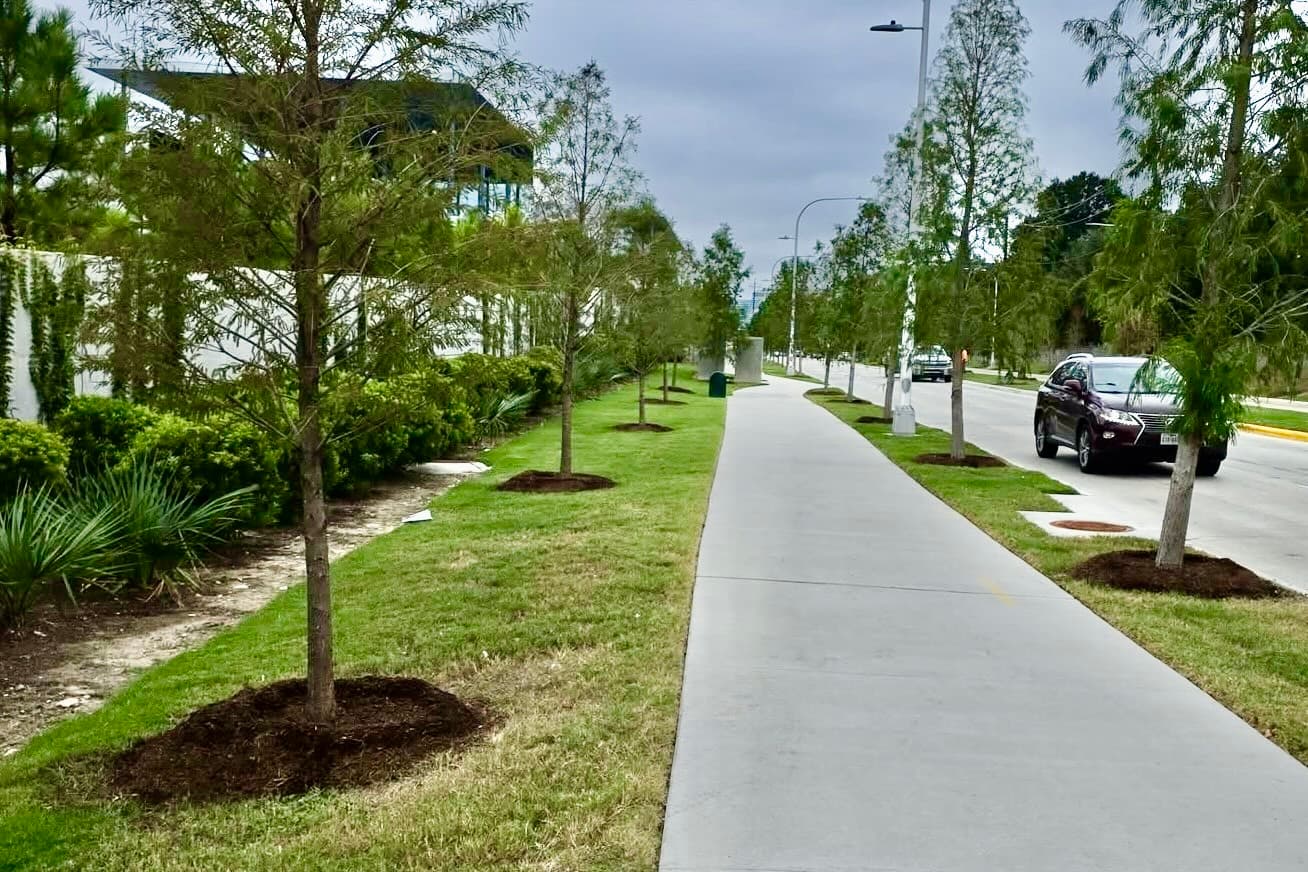
Most of the recommendations fall under five categories: safe crossings, safe school streets, complete sidewalks, additional outdoor spaces and a connected network to streets and trails.
The study showcases projects that would improve mobility.Source: MHRA/Community Impact
The concerns
Clint McManus is a principal transportation planner at TEI Planning + Design, the planning and engineering firm that worked on the plan. He said safety was the No. 1 priority for residents.
“The very first thing we asked was, ‘What matters to you most in what you value in your mobility?’” McManus said. “And safety was by far the number one value.”
The study looked at historical crash data in the neighborhood and found higher densities of pedestrian and cyclist crashes along several roadways and intersections within the Greater Heights, according to the Texas Department of Transportation, including:
Washington Avenue at Shepherd Drive
Durham Drive
Yale Street and South Heights Boulevard
The intersection of Yale Street, Heights Boulevard and 20th Street
Crashes also often occur at intersections where bikes and pedestrians interact with cars, according to the study.
Other data included ridership for public transportation. According to the Metropolitan Transit Authority of Harris County (METRO), Heights Boulevard and Yale Street at 20th Street show the highest concentration of transit ridership.
What they're saying
Although the study found that safety was the top priority for residents, this concern showed up in various ways, with 61% of residents who responded to the study saying safer intersections would make walking and biking feel safer, while 51% said less speeding would make it feel safer.
One resident noted in the survey that they have nearly been run off the road while walking because of gaps in the sidewalk.
“More consistent sidewalks and crosswalks would be a dream,” a respondent said. “There are walkable businesses I’d like to visit, but it’s almost impossible without a car or taking additional risk.”
District C Houston City Council member Joe Panzarella, whose district covers Greater Heights, said he believes that several of the ideas from the study should be fully explored or implemented.
“The spectrum of these recommendations provides an extensive range of opportunities to improve safety, mobility and connectivity throughout the Greater Heights,” he said. “We should prioritize projects that can make the biggest impact for residents while also moving forward on opportunities that are feasible in the near future.”
Project funding
The full buildout of the plan is estimated to cost $576 million, officials said.
However, the president of MHRA, Sherry Weesner, said that although not all projects may get funded, some are already moving forward. For example, Weesner said the TIRZ board has already received a grant for improvements to the Nicholson Trail, which will include adding brighter and more visible crosswalks, accessible ramps and better sidewalk connections.
The TIRZ has also applied for grants to work on crossings to White Oak Bayou and additional sidewalk improvements.
Panzarella added that there are also projects within the recommendations that could be advanced through Houston’s existing capital planning process.
“I believe the correct approach is making an informed decision on which of these ideas to pursue,” he said, “and seeking funding through TIRZ, regional, state and federal sources to ensure we can build out a roadmap for implementation, rather than letting these ideas sit on a shelf without movement.”