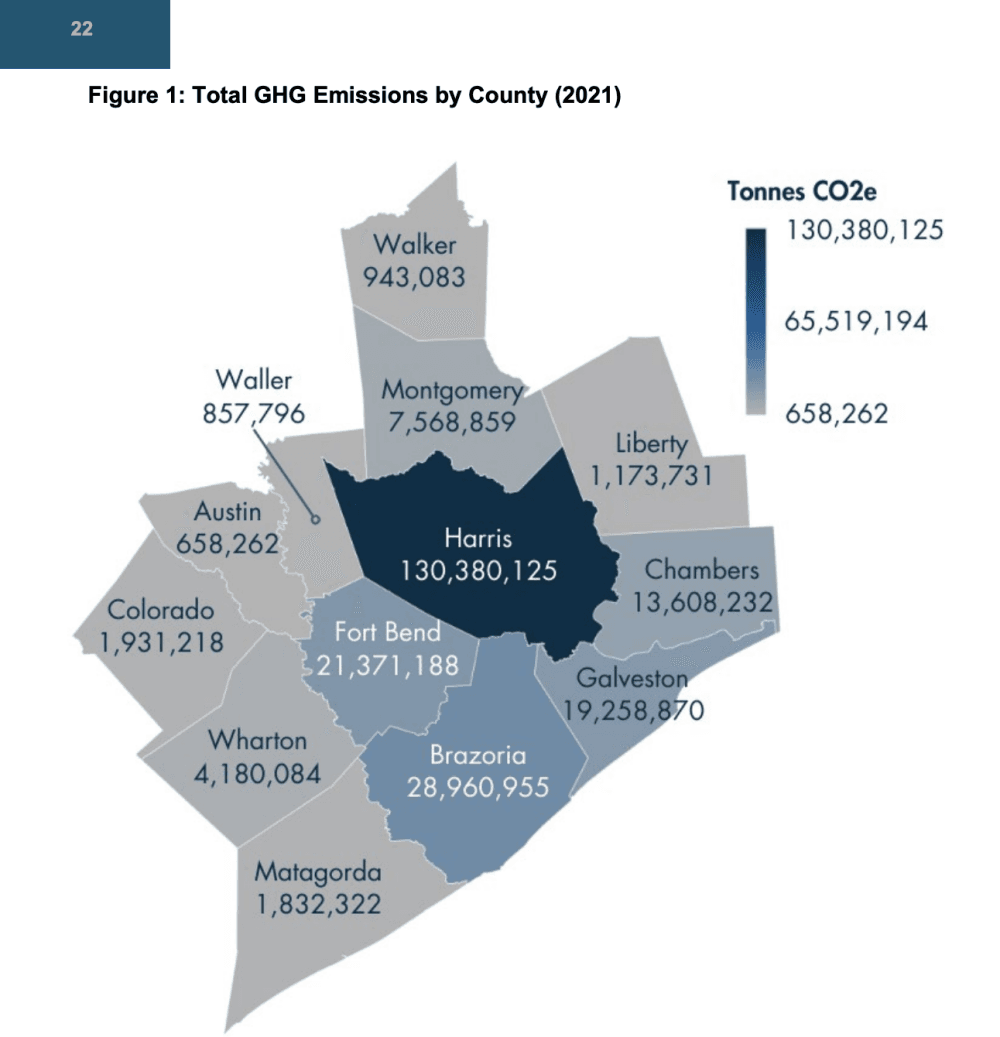





The first phase of a climate action plan submitted to the U.S. Environmental Protection Agency March 1 on behalf of the 13-county region outlines strategies across various business sectors in order to promote sustainability and reduce greenhouse gas emissions.
Grant awardees will work toward a handful of environmental efforts that focus on a variety of strategies including but not limited to:
- Material management—promote recycling, composting and voluntary waste reduction programs to decrease landfill waste.
- Urban agriculture—promote the use of native landscaping and restore degraded lands to increase carbon storage. Work with municipal partners to protect and enhance greenspace. Expand urban tree planting programs.
- Buildings—provide financial support to municipalities for weatherizing public buildings.
- Electric power or energy—provide funding for municipalities to integrate solar and energy storage on public property. Work with partners to incentivize and reduce peak energy demand.
- Transportation—provide incentives to regional small businesses for commute reduction programs to support alternatives to driving alone. Allocate resources to increase adoption of low and zero-emissions vehicles. Installing electric vehicle charging infrastructure in low-income areas.
While the 82-page report released by Houston-Galveston Area Council in March aims to develop aggressive programs and policies over the next three years in order to reduce air pollution, emissions and greenhouse gases that are being emitted in the region, officials also addressed several pieces of state legislation passed in 2023 that will limit enacting or enforcing measures that don't align with state law. They are:
- Senate Bill 784 which establishes the exclusive jurisdiction of the state to regulate GHG emissions.
- Senate Bill 1017 bars any measures that prohibit the use, sale or lease of a mechanical engine based on its fuel source. This legislation ensures that gasoline and diesel-powered engines can't be prohibited by local government in the state, according to officials. This applies to fuel sources that range from electrical vehicles to landscaping equipment.
- House Bill 2127 preserves local government authority in regulatory fields, stripping the authority of Texas cities and counties from enacting local ordinances that conflict with Texas code.
"Our implementation measures are voluntary and incentive based, because the legislation listed bars H-GAC, a political subdivision, from enacting or enforcing disincentives or mandates," according to the statement.