A regional homeless initiative will invest $48 million over three years in a strategic philanthropic fund for a new program that will address homelessness needs in Houston.
What this means
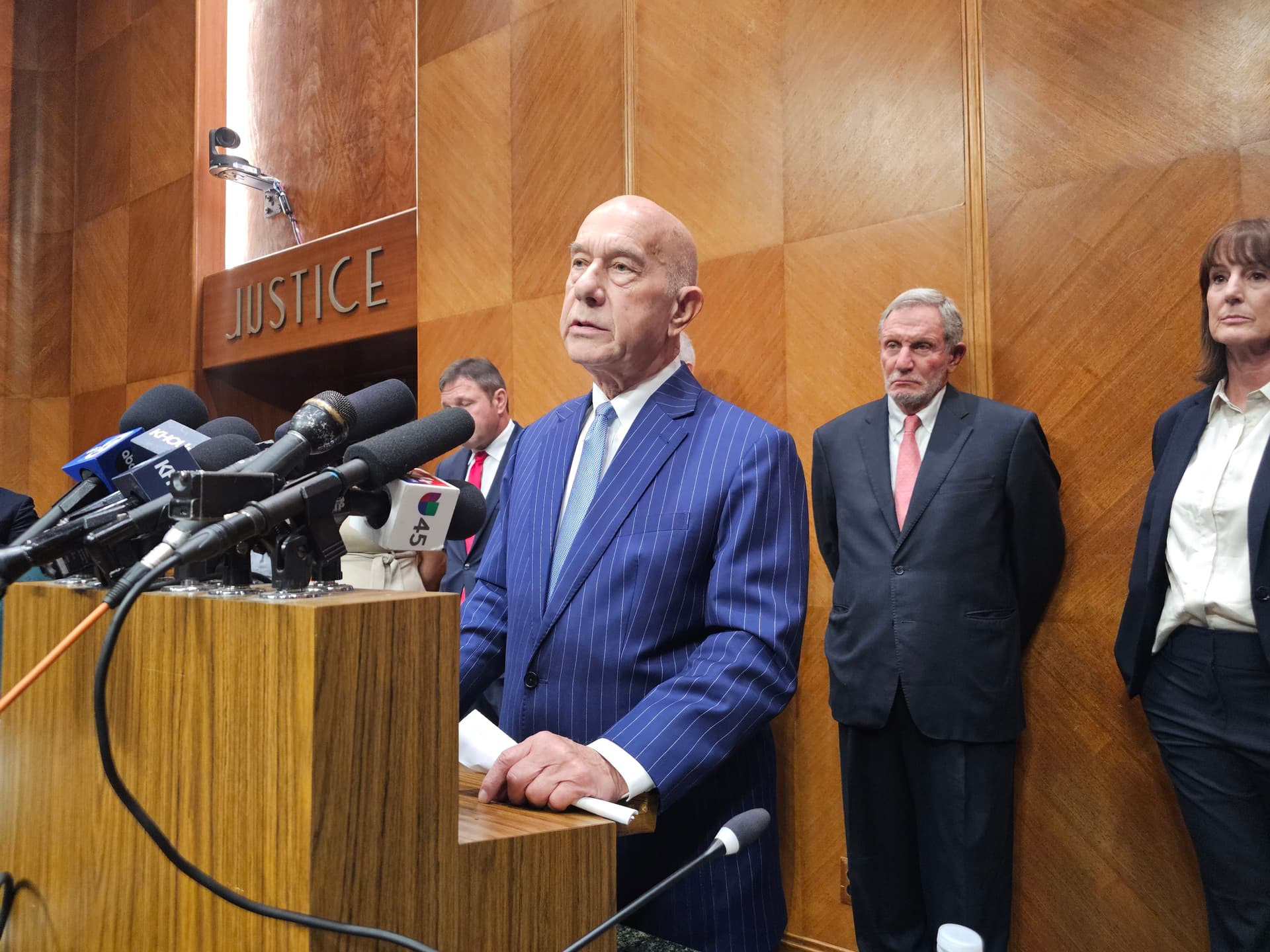
City leaders and partners will use investment from local organizations and philanthropies to launch Pathways to Independence, or P2I. P2I will expand current homelessness initiatives by providing funding to end instances of new homelessness within 90 days, city officials said at an Oct. 7 news conference.
As of early October, P2I has raised $34 million of its $48 million goal, city officials said.
P2I will focus on several strategies that include expanding the region’s response, building on city investments like 419 Emancipation and advancing Harris County’s leadership.
The fund has no restrictions as long as its use aligns with P2I’s plans and strategies. Part of its plan includes working closely with 419 Emancipation, which is currently at full capacity. However, there are no plans to find additional shelter spaces with the money.
“Our goal is that if you can create enough exit strategies out of the beds we currently have, then we would have enough beds,” said Kelly Young, president and CEO of the Coalition for the Homeless. “But all of our sheltering partners, if they had a way to exit people out and give them more support, that would be better than building a whole new building that you have to fund.”
The funding source
Young added that the money can be used more flexibly than other funding that may come from the federal government because not everyone qualifies for those dollars.
“These flexible dollars are helping us be able to help someone who might have just ended up on the street yesterday,” Young said. “And we can figure out that next step for that person and move them along more quickly, and they don’t have to wait a year until they’re eligible for housing.”
Funding comes from organizations such as the Brown Foundation, Cullen Foundation, Houston Endowment and Kinder Foundation.
One of the goals is to move people from homelessness to stability within 90 days. Housing and Community Development Director Mike Nichols said some people can move quickly into transitional housing, sober living facilities or other resources. Some may take longer, he said.
“These are individuals with individual issues that have to be solved,” he said. “But that’s (90 days) the goal.”
One more thing
The funding is expected to be spent over three years while partners look for more long-term, sustainable funding, Young said. Part of that includes seeing if the systems can absorb the costs themselves after the P2I funding has ended. The other part involves looking at local tax dollar funding options.
“I do think that we need to be thoughtful about if these are things that we want fixed, how much are we willing to pay for it,” Young said.
Young said she is hopeful that other organizations and corporations will see the success of the fund and will be willing to become donors to fill the gap to reach the $48 million goal.