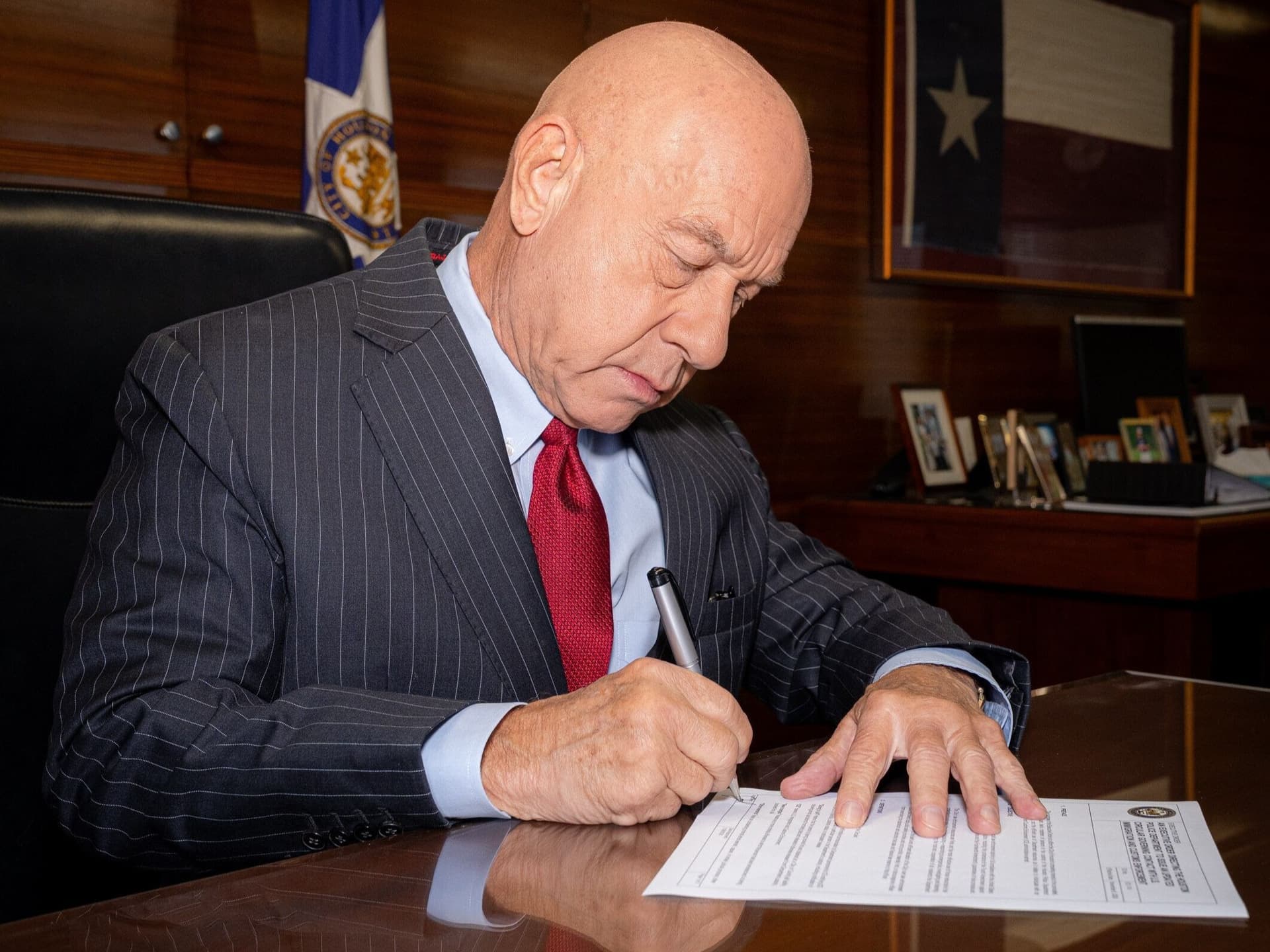
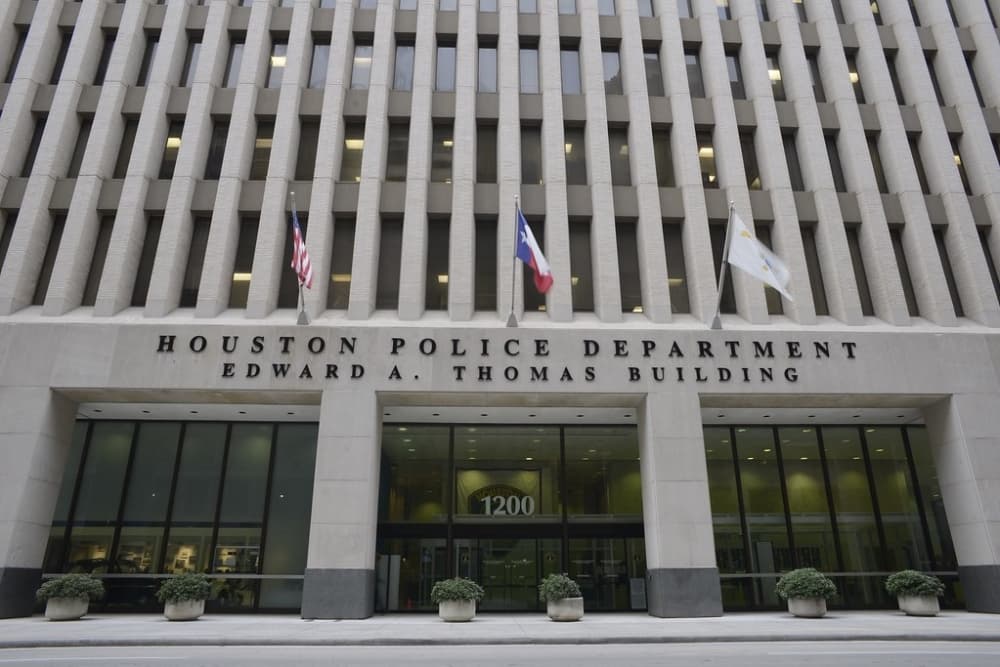
After Mayor John Whitmire announced an executive order to change the city’s policy on contacting Immigration and Customs Enforcement, a few council members introduced a new ordinance to comply with the order.
What this means
Council members Alejandra Salinas, Edward Pollard and Tiffany Thomas introduced a bill that would reduce the Houston Police Department’s cooperation with ICE by no longer requiring officers to contact ICE solely for a civil administrative warrant unless there is a jailable criminal offense.
The ordinance would also require additional details in HPD’s quarterly ICE transparency reports, including the reasons for jail bookings and whether the city contacted ICE about a victim or suspect.
In a joint statement, council members Salinas, Pollard and Thomas said:
“For more than a year, Houston families, workers and advocates have demanded that City Hall limit HPD’s cooperation with ICE. Our new Prop A immigration ordinance builds on the measure we successfully fought to pass earlier this year.”
The ordinance would also align the city code with the mayor’s executive order, ensuring that future mayors acting alone cannot reverse the policy.
Some background
In a Nov. 6 press conference, Whitmire announced that HPD would no longer alert ICE if an officer stops a person who has committed a nonviolent offense. Officers would now only notify ICE if the stop leads to a jailable arrest.
“I do this to begin a healing process to reduce fear and anxiety across our community,” Whitmire said at the news conference. “I also do this knowing that elections matter. I’ve been in contact with the new statewide elected officials, and SB 4 is not a priority.”
Senate Bill 4, or SB 4, is a state law that prohibits sanctuary city policies in Texas. It also requires local law enforcement agencies and jails to comply with ICE’s detainer requests for individuals.
Looking ahead
The council will not officially discuss the proposed ordinance at the Nov. 10 city council meeting, but officials from Salinas' office said the proposed changes would likely be on the agenda in mid-November or early December.
If the ordinance passes, officials said it would be effective immediately.