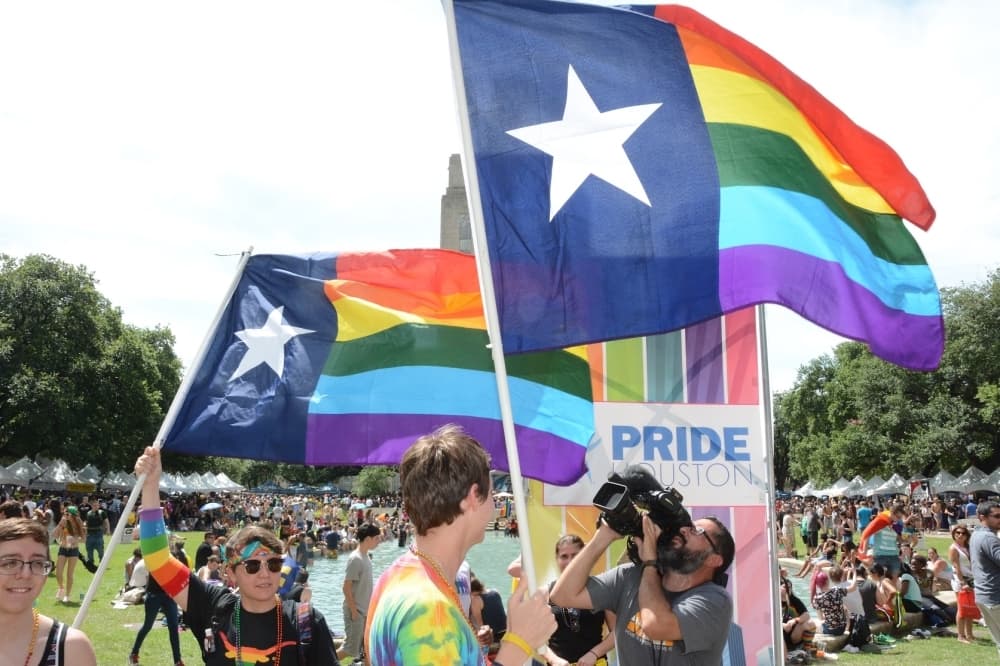
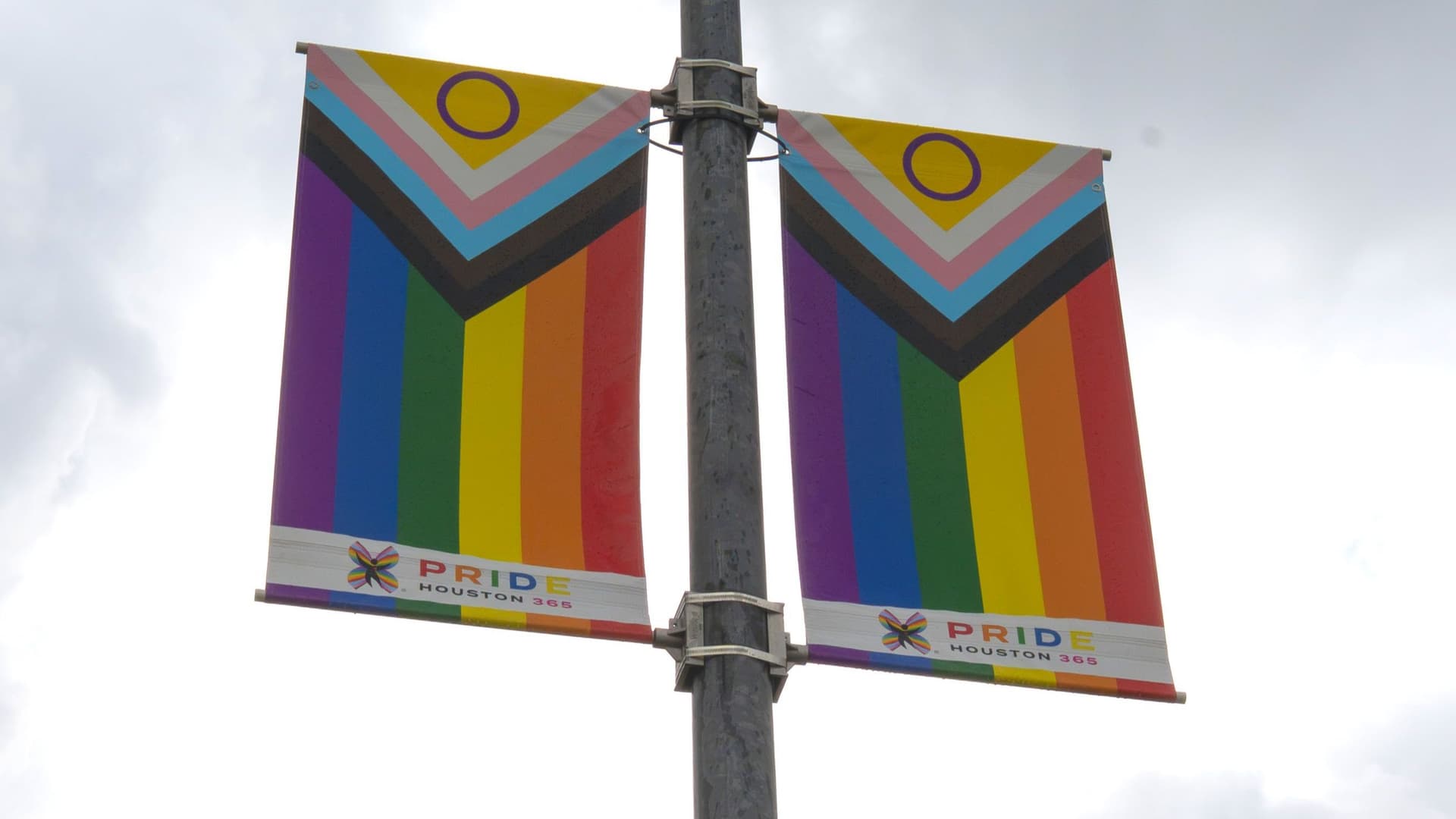
A new Rice University study looking at the experiences of LGBTQ+ residents in the Houston area found significant differences in neighborhood acceptance and healthcare access, especially for transgender residents.
The specifics
The Houston Area L.O.V.E. Survey, a study by Rice University's Kinder Institute for Urban Research, the Greater Houston LGBTQ+ Chamber of Commerce and the Montrose Center, received responses from more than 1,000 people between February and June 2026.
Researchers found that 62% of respondents felt they belonged in their neighborhoods, while 57% said their neighborhoods were accepting of LGBTQ+ people.
About 71% of gay respondents said they felt they belonged in their neighborhoods, compared with 63% of lesbian respondents, 52% of bisexual respondents and 41% of transgender respondents.
Breaking it down
Healthcare access also differed. For respondents who needed specialty care in the previous year, 67% said they were always able to access it. For transgender respondents, this figure dropped to 43%.
Cost was the most commonly reported barrier to obtaining needed healthcare, with 56% of respondents who experienced difficulties saying care was too expensive or they could not afford out-of-pocket expenses. Additionally, 44% of transgender respondents who encountered barriers said they could not find a healthcare provider supportive of LGBTQ+ people.
The study also found that 30% of respondents rated their mental health as poor or fair, compared with 18% of the overall Houston-area population.
Despite those challenges, researchers noted that many respondents reported economic stability, including 74% who said they could cover an unexpected $400 expense using existing savings.
The takeaway
Researchers cautioned that the pilot survey used an open-access convenience sample and should not be considered representative of the entire LGBTQ+ population in the Houston area. They said additional research is needed to better understand the community's experiences and needs.