The Southlake City Council created a tax increment reinvestment zone, or TIRZ, around the commercial district of the Shivers Farm development in order to reinvest taxes into public infrastructure construction, upkeep and improvements within the zone.
The TIRZ was approved by council during an Oct. 6 meeting.
The overview
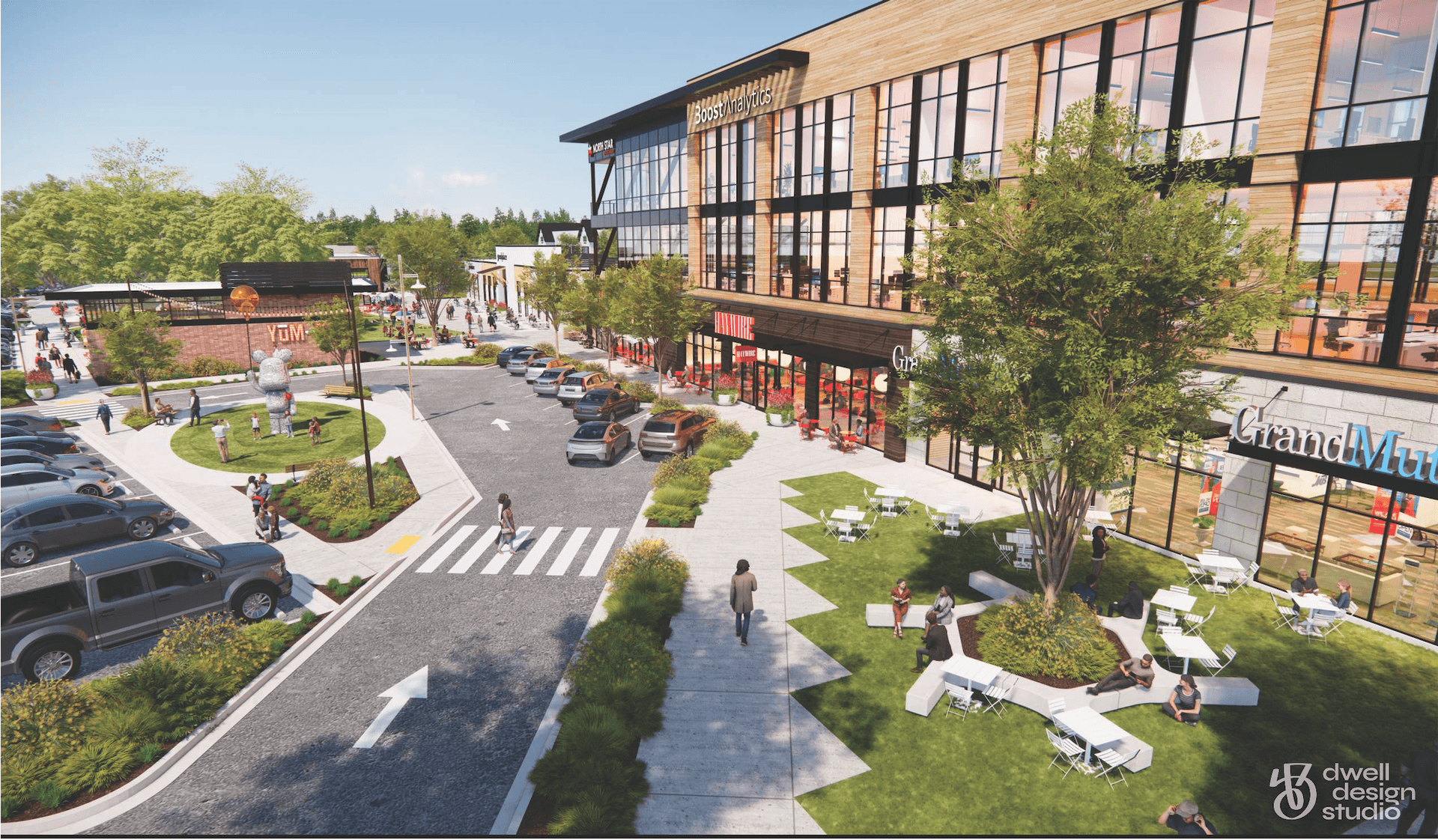
Shivers Farm is a 40-acre development which will include a commercial district with a Whole Foods and a residential district with 37 single-family homes. Developer Trademark Property Company first broke ground on Shivers Farm in September.
What it means
A TIRZ is used to finance public improvements within a specific area, usually related to an upcoming development project like Shivers Farm.
Property tax within the zone before development is calculated as a base year. Additional property tax that results from the development is known as the tax increment and a percentage of the increment and eligible sales tax is reinvested into specific public improvements within the zone.
The base year amount for the 25.9 acre TIRZ is $803,531, said Daniel Cortez, economic development and tourism director. Up to 95% of the tax increment will be reinvested into the zone and the increment is expected to produce over $18 million during the TIRZ’s lifespan, according to the city.
The details
Proposed public improvement project costs total around $18 million and fall into six categories.
These include improvements for public utilities like water and sewers, mobility projects like streets and pedestrian walkways and parks and recreation initiatives like open spaces and public facilities.
The projects also include funding for professional services and administrative costs.
The TIRZ can also be used to fund economic development grants. The master development agreement allows the city to provide grants and reimbursements funded by sales tax revenues that come from the development.
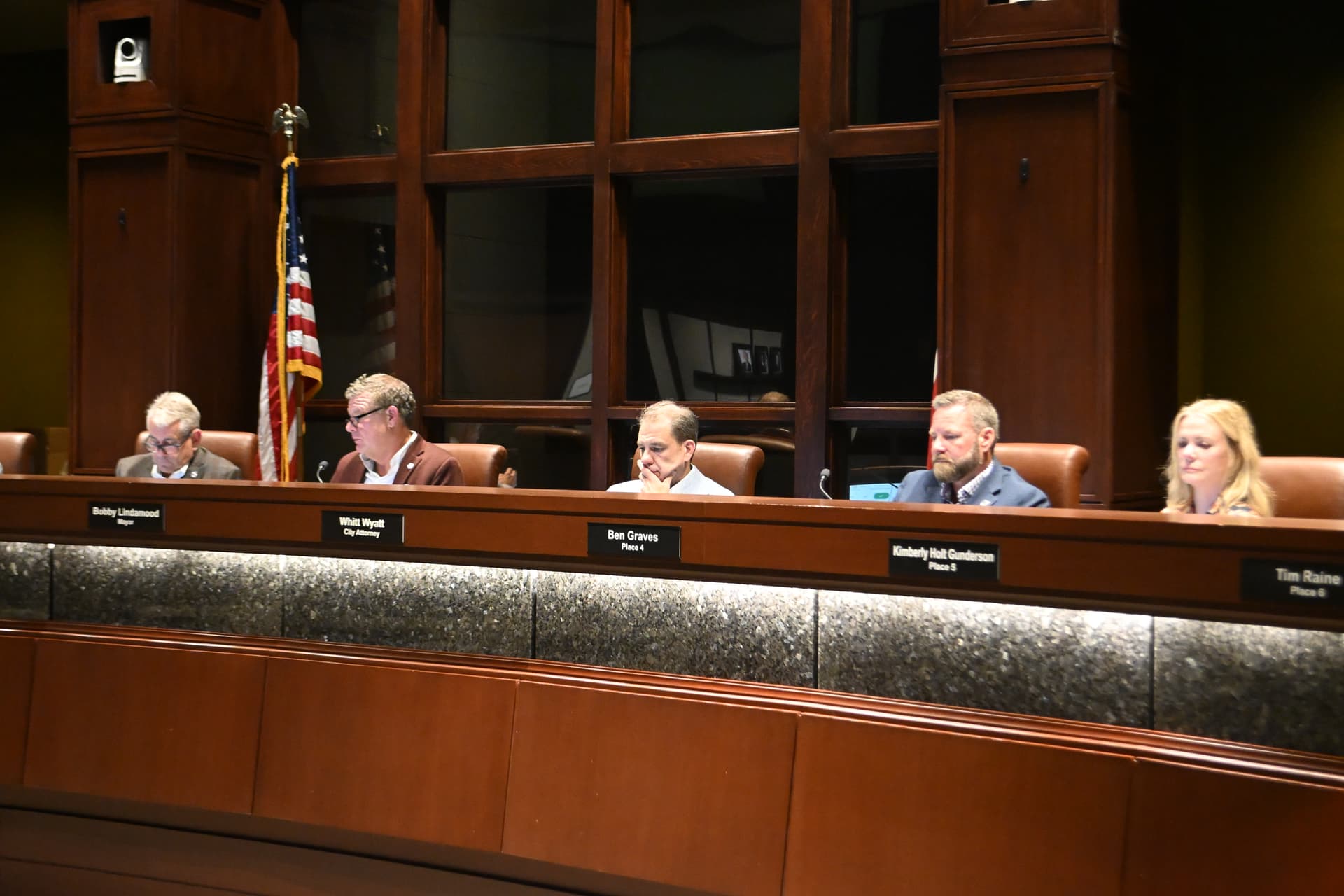
The ordinance also created a 7-member board to oversee the administration and management of the TIRZ as well as a date for when the TIRZ will be dissolved.
The board is made up of the mayor and the city council places 1-6 and the TIRZ will expire on Dec. 31, 2047 or when all project costs are paid if that occurs first, according to the city.
One more thing
The master development agreement set a maximum incentive amount of $18.9 million, meaning all TIRZ funding, grants and reimbursements cannot exceed that amount, per city documents.
The agreement also set timeline and investment amounts as performance standards for the developer.
The developer must make a minimum capital investment of $127.9 million by the time the project is complete and must maintain a minimum taxable value of $80 million starting in the 2031 tax year and until at least 21 years after the project is complete, according to the city.
The developer is also required to create a minimum of 200 full-time equivalent jobs by June 30, 2028, and maintain that employment level through the term of the agreement.
The commercial section of the development must be completed by Dec. 31, 2028.
Failure to meet the standards set by the agreement results in the reduction of payments or reimbursements, according to the city.
Next steps
While the preliminary financing and project plans were approved, the final plans will be presented at the City Council’s Nov. 3 meeting and voted on at its Nov. 17 meeting.
As an overlapping taxing jurisdiction, Tarrant County will have the option to participate in the TIRZ. If the county chooses to, it will receive an additional seat on the TIRZ board and the 95% tax increment reinvestment planned by the city may be reduced to account for the additional funding.