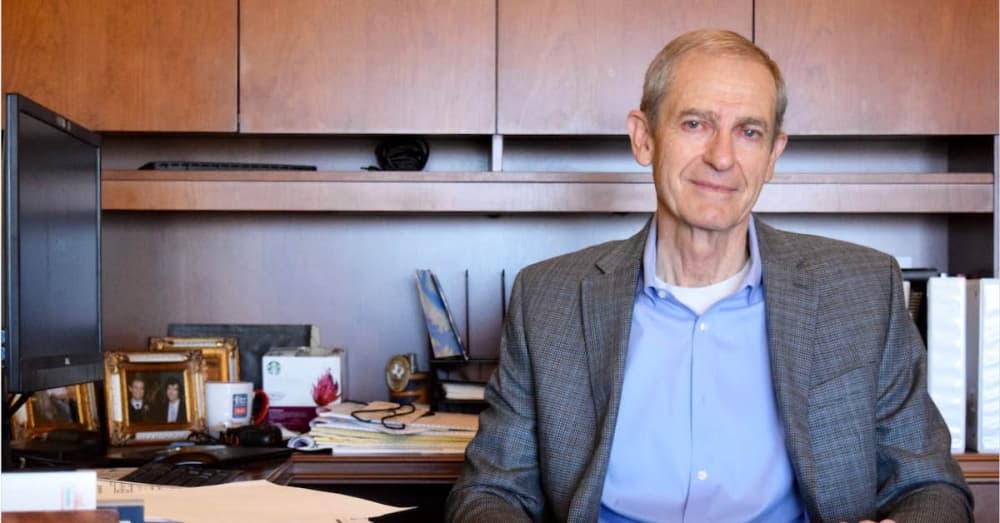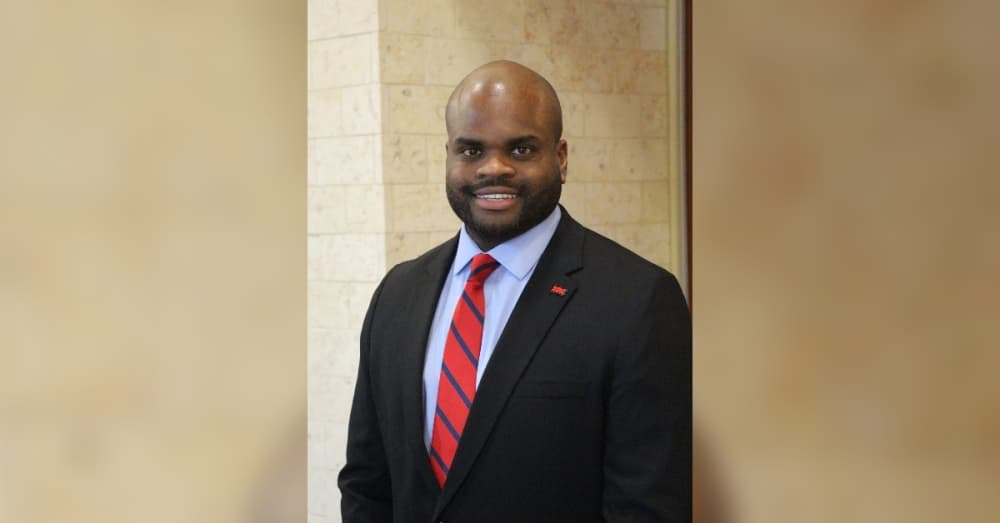
Jason Cooley has been Frisco’s chief innovation officer since fall 2020. Cooley’s role involves diverse projects from capital improvement to robot testing. Community Impact Newspaper sat down with Cooley to learn more about his job and what Frisco residents can look forward to from his department in the future.
What are some of your main responsibilities?
It’s really composed of two different main pieces. The first piece is still the project management office. So I’ve always administered the project management office. We’re out of the city manager’s office, and we administer and run the capital improvement projects, the vertical construction projects for the city. We have several projects that are ongoing right now. One of them is the new library, and we are also doing a public works renovation expansion in a police department renovation and expansion. So, part of the job is still managing those capital projects, bond-funded construction projects.
The other part is what my deputy city manager and I have coined “organic innovation,” really looking at innovations that will help us be more efficient and effective and productive for our citizens. That’s our main goal. And so we do that in the variety of different ways. Some of it’s internal, and you might not see that, and then others are the more visible things, like pilot programs. I align resources for some of the pilot programs. So for example, Wing drone delivery—we are working closely with Wing on a daily basis to make sure that they have everything they need from the city, whether it be permissions or regulatory issues that we deal with. We work with them to make sure that they’re able to be successful in deploying their technology in the community. But we also do some things on the internal side. Part of the innovation is our Lean Six Sigma Academy. We have a Lean Six Sigma Academy; we train several departments on a rotating basis on the concepts of Lean. We have a Lean trainer—Elizabeth Chase is a material services manager in the library [and] she’s a master trainer on Lean. And what we’re really trying to do is implement the knowledge, if you will, within the organization of how to do things better, be more efficient, more productive with the resources that we have—and we consider that to be a major part of innovation.