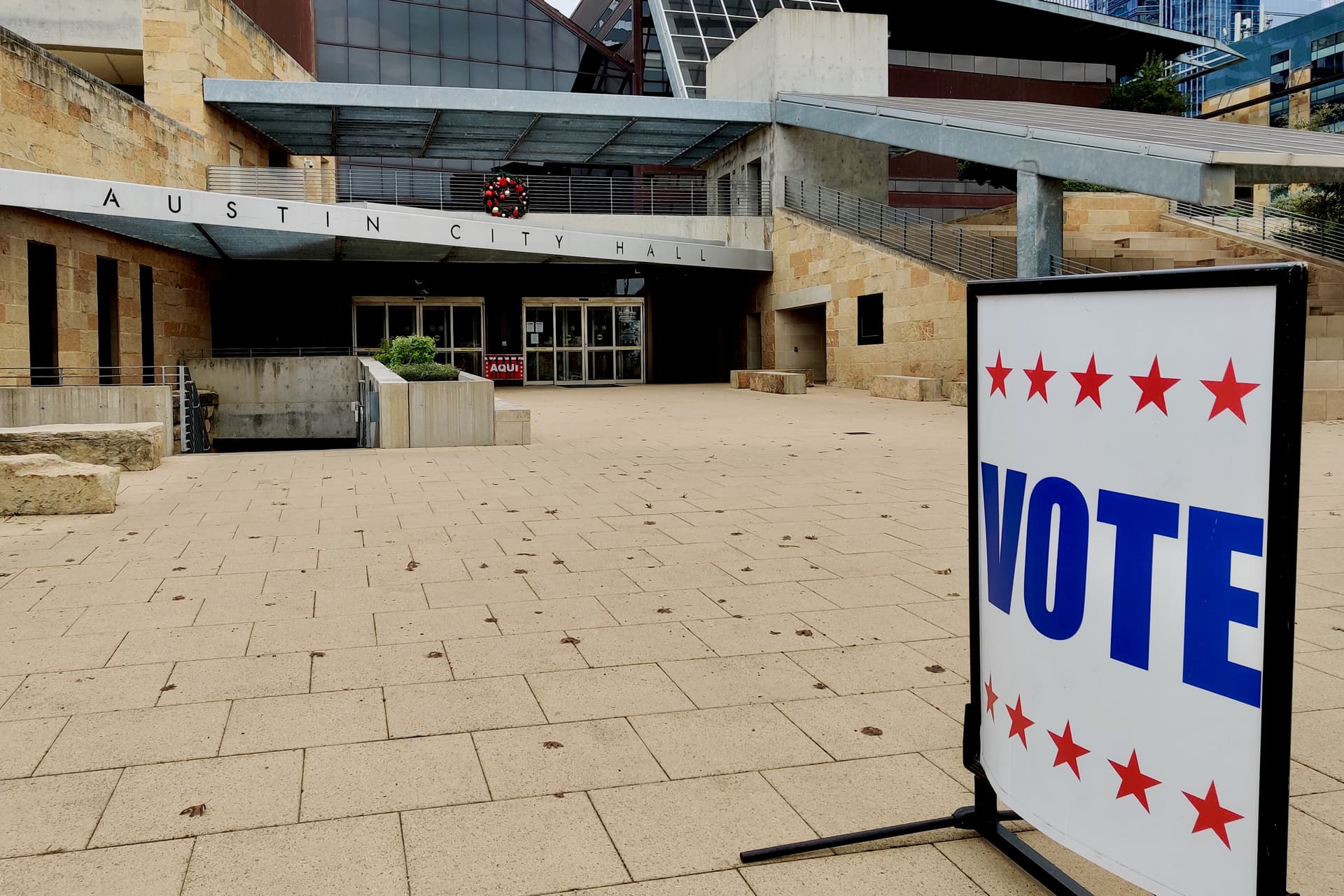
Candidates for Austin City Council races in this year's November election raised more than $450,000 and had over $1 million available as of this summer, with several council incumbents making up more than half of that cash on hand total.
The setup
Five council seats will be on the ballot this fall: East Austin's District 1 and District 3, District 5 in South Austin, Southwest Austin's District 8, and District 9 in Central Austin.
Four of those races are expected to include incumbent council members seeking to defend their seats, while District 1 council member Natasha Harper-Madison is term-limited and leaving office in 2027. Two-term District 8 council member Paige Ellis is also limited and must petition for the support of at least 5% of her voting constituents to allow her to run for a third term this year.
All candidates were required to submit their semiannual financial reports in July covering campaign activity through June 30 only. They were the first reports filed since January, and will be followed by disclosures due in early October, a month ahead of Election Day.
Candidates can officially file for a place on the November ballot from July 18-Aug. 17.
District 1
The race to fill Harper-Madison's open seat representing Northeast Austin has drawn the most interest, with eight potential contenders signaling interest. Together, they raised nearly $170,000 and had more than $100,000 available to spend heading into July.
Attorney Amber Goodwin posted the highest fundraising total in the race this year with more than $91,000 collected, and had more than $63,000 still available as of late June.
She was followed by small business owner Alexandria Anderson and community leader Misael Ramos, who each raised more than $20,000, and healthcare professional Steven Brown, who raised more than $16,000. Those three candidates each had between about $10,000-$18,000 still on hand before July.
Other candidates include Dan White, who raised about $8,500 and had $1,100 still available; Portia Riggins, who raised and spent less than $1,000; and Michael Nahas and Kyra Rogers, who reported no fundraising or cash on hand as of June.
District 3
Council member José Velásquez maintained a strong financial position in his reelection bid so far this year, with most of the fundraising and spending activity reported in what's currently a three-person race for the District 3 seat.
Velásquez drew more than $62,000 and spent less than $3,000, maintaining more than $85,000 as of early summer. Challenger Neha Shah raised $11,000 and spent more than $5,100, with about $6,600 still on hand. And candidate Eduardo Romero raised and spent less than $500.
District 5
The race for the District 5 council seat could end up being the most costly this year, with both incumbent Ryan Alter and challenger David Weinberg still having hundreds of thousands of dollars available to spend.
Alter raised more than $57,000 and spent less than $8,000 this year, and reported just over $169,000 on hand. Weinberg raised just $5,250 and spent more than $35,000, but reported more than $240,000 cash on hand, largely through previous personal loans.
While campaign treasurers for the District 5 contest were previously appointed by Farrah Abraham and Robert J. "Jeb" Costello, neither potential candidate submitted financial disclosures this summer.
District 8
Incumbent Ellis and one of her challengers, Austin/Travis County Emergency Medical Services Cmdr. Selena Xie, remain in close financial position through the first half of 2026. Xie out-raised Ellis by about $5,000, while Ellis out-spent Xie by about $4,000. Ellis led Xie's cash on hand total by nearly $21,000 as of June.
Former mayoral candidate Jeffery Bowen is also contending for the District 8 seat and raised about $10,000 while spending more than $2,300 this year. He had about $10,000 available and reported a $30,000 personal loan in the spring.
Daniel Hudsky previously appointed a campaign treasurer, but hadn't submitted a mid-year financial report.
District 9
Financial reports in the Central Austin district showed incumbent council member Zo Qadri outpacing his several challengers' fundraising and spending this year.
Qadri drew about $26,000 and spent almost $56,000, while maintaining more than $152,000 as of June. The closest financial contender was candidate Richard Heyman, who raised almost $19,000 and spent $12,000 while having more than $32,000 still available, including a $20,000 personal loan.
Candidate Katie Kam raised more than $8,000 and maintained more than $3,100, while candidate Dave Thadani reported less than $1,000 raised and spent, and less than $300 still on hand.
Ard Ardalan, who dropped out of the race earlier this year, reported about $4,200 in previous campaign expenses.
What else?
Incumbent officials not running for reelection this year posted little financial activity; only council members Mike Siegel and Marc Duchen raised more than $1,000 while keeping tens of thousands of dollars on hand. Relatively little activity was reported by local political action committees, aside from Save Austin Now, which drew more than $462,000 in individual donations and more than $64,000 from various corporate entities.
While raising more than $526,000 this year, Save Austin Now reported no spending and had just under $8,200 still available as of June. The PAC drew donations from hundreds of individuals, and business support came from entities including Hardeman Family Joint Venture Ltd., Digital Growth Partnership, M5 LLC and Krause & Associates LP.
The PAC is campaigning for its proposal to require third-party audits of Austin city government. It successfully petitioned for that audit measure appearing on the November ballot as an amendment to the city charter, after council members passed an ordinance mandating similar citywide efficiency assessments earlier this year.
Voter approval is required to edit the charter, which can only take place every few years through an election. The Save Austin Now proposal also requires the independent audit to be funded with cost savings identified through the process and at no cost to the city. The council-approved version now in place had no set cost; $1.5 million is budgeted for the work in the upcoming fiscal year.