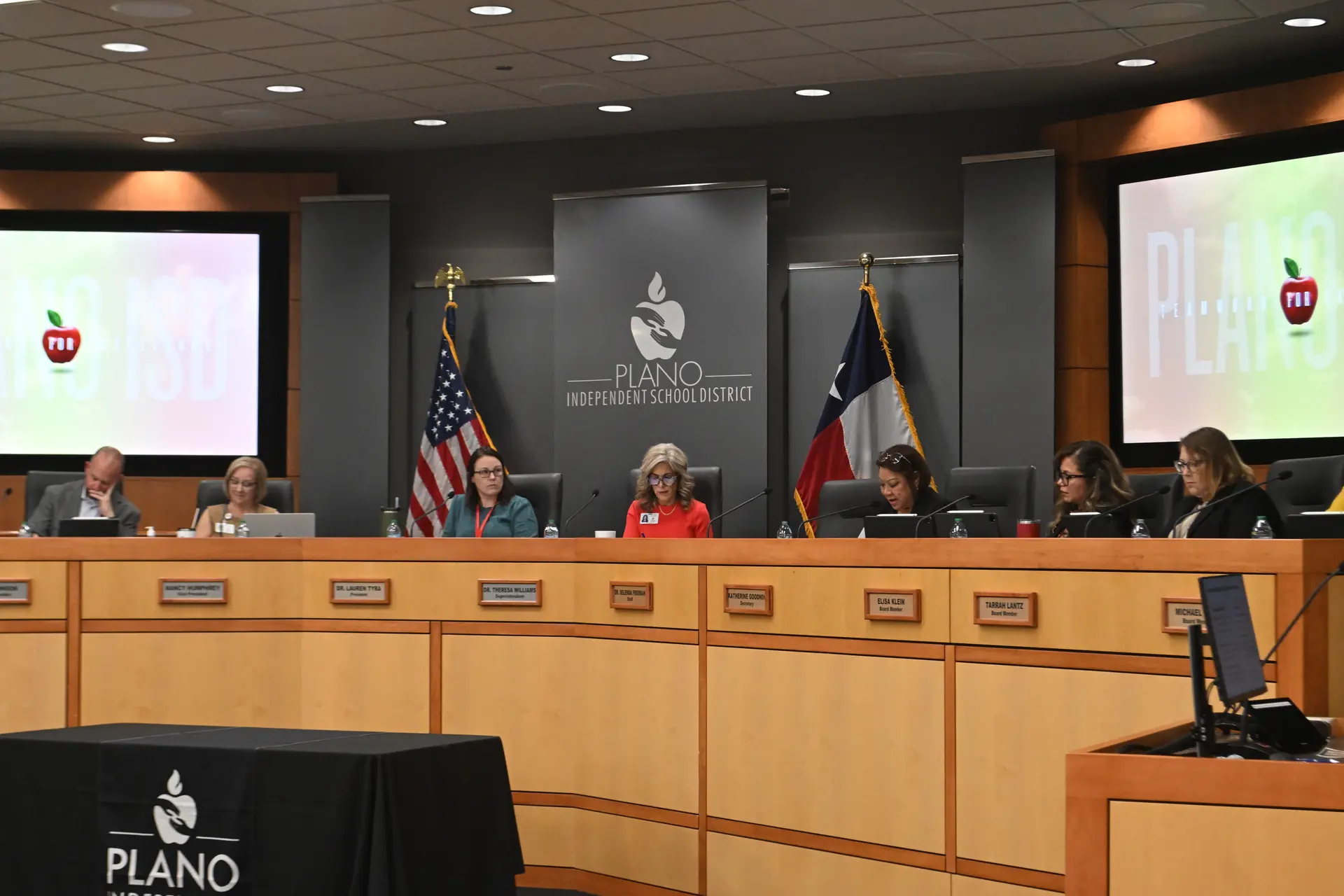
Richardson staff presented plans to create a new unified development code in order to facilitate more efficient citywide development at the May 18 City Council meeting.
The new code would consolidate various city development codes into one document regulating land use, development and signage across the city.
“This is important to make things very efficient,” council member Arefin Shamsul said. “If we can bring everything in one place and update [it], that will simplify the [development] process.”
The big picture
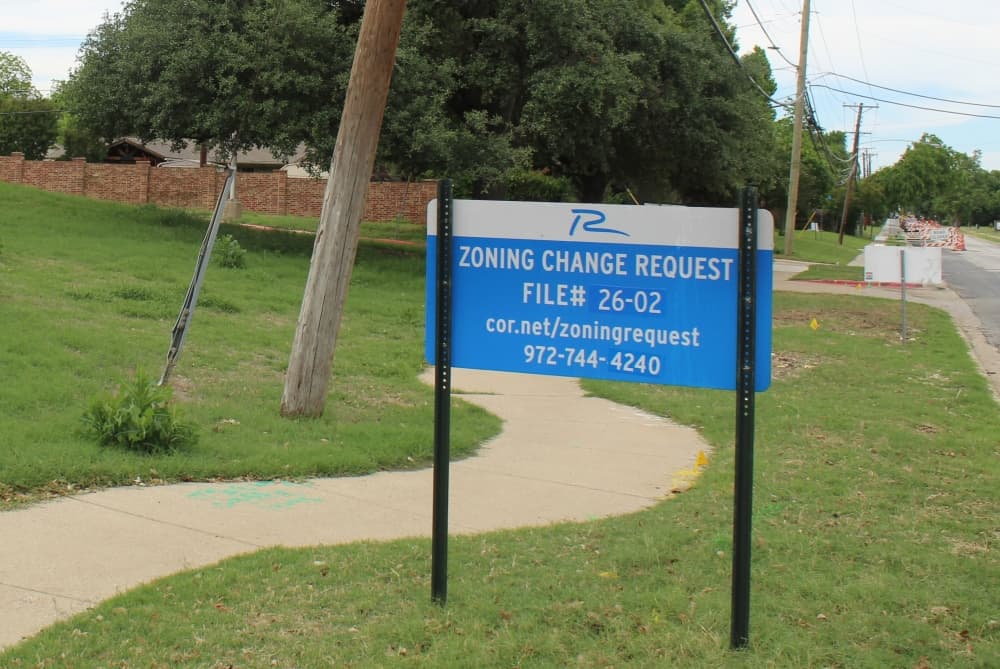
City staff presented initial intentions to overhaul the comprehensive zoning ordinance in February, a set of regulations that tells property owners what they can do with their land and how. It guides development in the city and regulates what can be built where.
The comprehensive zoning ordinance has not been significantly updated since its adoption in 1956, director of development services Tina Firgens said.
The ordinance is out of date with current market realities and does not support the development Richardson needs, she said, leaving the city to rely on special permits and zoning designations to facilitate development. These have to be individually reviewed and approved by council, which can slow down development and create inconsistencies throughout the city, Firgens said in the February presentation.
A unified code would consolidate the city’s comprehensive zoning ordinance, subdivision and development regulations and sign code into one updated document.
“I expect that we would come out of this with an ordinance that aligns with the comprehensive plan and is able to meet the needs of a more modern era,” Firgens said. “This new ordinance would be able to help advances for decades in the future.”
Why it matters
The unified development code would accomplish a range of action items set out in the Envision Richardson comprehensive plan to advance redevelopment and new development citywide, Firgens said. It could also help to increase affordable housing development, as the zoning in most areas in Richardson does not currently support townhomes, duplexes and other diverse housing types.
If the city chose not to pursue the unified development code, that could slow down development and redevelopment in the city and increase costs to accomplish Envision Richardson action items if they were pursued individually, Firgens said.
Firgens estimated that it would take two years and between $900,000 and $1.1 million to develop and adopt the unified development code.
“It will be a challenging project, and nonetheless, it’s important to stay committed to it as we work through those challenges and opportunities related to the code,” Firgens said.
The project would be funded through special project reserves over the next two to three budget years, she said, and would not come out of the city’s general fund budget.
The details
The project would require consultant support, Firgens said, who could provide expertise on best practices, public engagement and code drafting while allowing city staff to continue work on other development projects.
Firgens laid out a proposed timeline for the project, which she said will be fleshed out after a consultant is selected:
- Phase 0: consultant selection, now-September 2026
- Phase 1: diagnostic assessment of existing plans and codes, October-December 2026
- Phase 2: assess five special enhancement areas identified in Envision Richardson plan, 2027
- Phase 3: draft new unified development code, 2027-28
- Phase 4: adopt new unified development code, early 2029
The approach
Council members highlighted the importance of public input throughout the process of development. The yearlong drafting phase will include public engagement, Firgens said, and public hearings will be required at council and the City Plan Commission prior to adoption of the new code.
Council member Dan Barrios suggested forming a citizens’ advisory committee that could meet regularly and provide input throughout the development process, which he said several other cities implemented in their zoning code updates.
Council member Ken Hutchenrider said he would rather see broader public engagement around the code development rather than focusing on feedback from a committee of a few citizens.
“What I’ve heard from my eight years on council is that the citizens want a lot more transparency,” Hutchenrider said.
Also of note
The Envision Richardson plan identified several enhancement areas that are targeted for economic reinvestment and redevelopment. These enhancement areas, which include West Spring Valley, Main Street and Central Expressway and the Collins-Arapaho area, have already been rezoned by council to facilitate a variety of redevelopment.
Firgens said part of the development process for the unified development code will include an assessment of these areas to confirm council’s future development goals and identify zoning strategies to accomplish further development.
The enhancement areas could be written into the new unified development code to ensure that their zoning aligns with the goals for their development.
What’s next
Firgens said city staff will work to select a consultant and draft project proposals for council to consider, which will include options for updating individual codes rather than creating the unified development code.
“We haven’t changed this once since the 1950s, so I think it’s very important that we do it right because I don’t know when we’ll do it again,” council member Curtis Dorian said.