The Lavon Farms development in east Plano is moving forward following final approval from city officials.
The gist
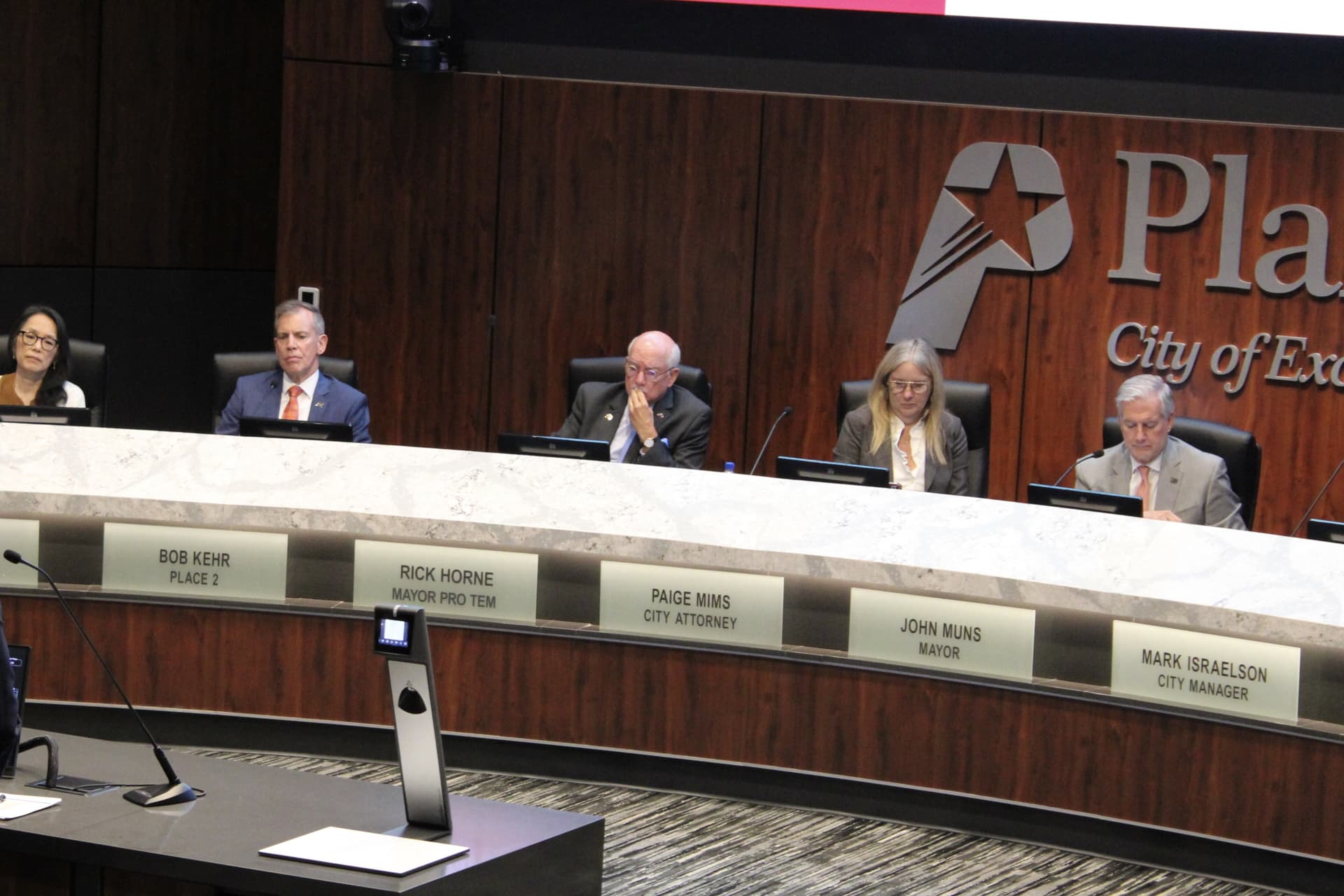
At their Dec. 8 meeting, Plano City Council members approved rezoning the property from agricultural to residential community design—a designation created by Plano’s Envision Oak Point Plan, which aims to strategically develop and connect northeast Plano.
Planning Director Christina Day said the zoning designation was created in 2021 and requires a “governance association,” such as a homeowners association, to manage amenities and open space.
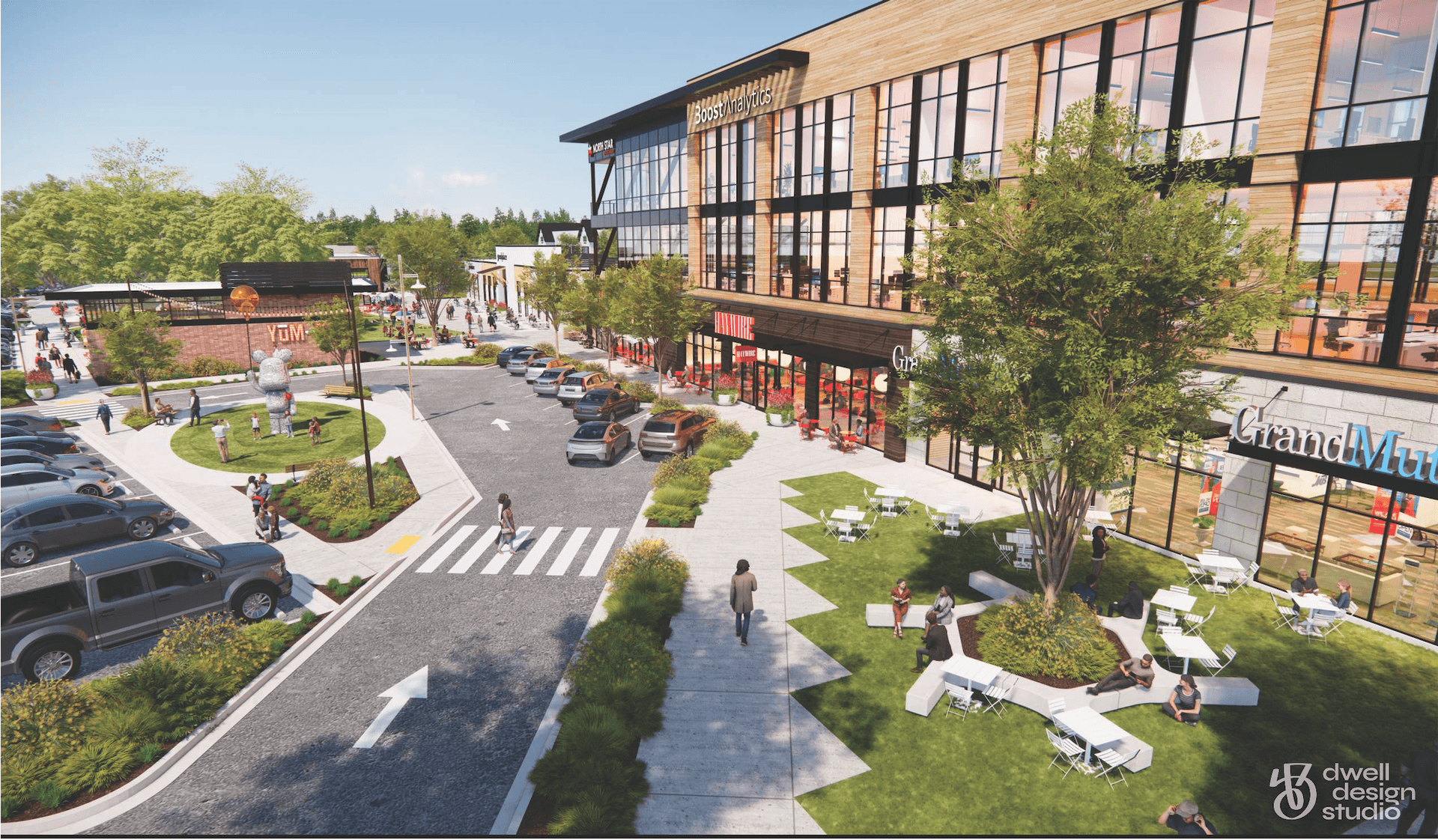
The 215-acre Lavon Farms development is planned to include:
- 626 single-family residential units
- 1,052 multifamily units
- 37 acres of open space, including 10 acres of parks, a micro farm and ranch
“We’re executing the vision that was really provided to us by the community stakeholders,” Trammel Crow Company Principal Kevin Hickman said.
High Street Residential, a residential subsidiary of Trammell Crow Company, is the developer overseeing the Lavon Farms project.
Some context
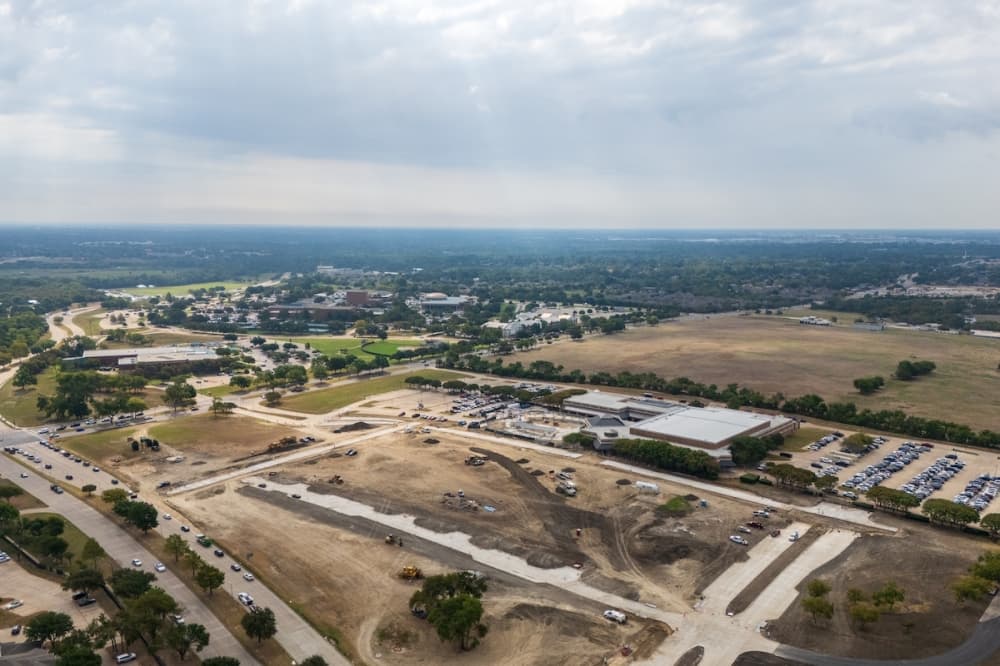
The Envision Oak Point Plan was adopted in 2018 and includes Lavon Farms, Assembly Park, Collin College Spring Creek Campus, Oak Point Recreation Center and the Plano Event Center.
Day said the main component of Envision Oak Point Plan moving forward is Assembly Park, which finished construction in 2023 and includes creative office space, multifamily apartments and restaurant and retail space.
Zooming in
The decision comes after Plano Planning and Zoning commissioners recommended approval at the Nov. 17 meeting.
The development will be split into three subdistricts, including:
- Subdistrict A (west side)
- Up to 298 detached single-family homes or duplexed
- Up to 232 townhome, manor homes or small-lot single family homes
- Up to 66 stacked townhomes
- Parks/open space
- Subdistrict B (northeast section)
- 1,052 multifamily units through 2-, 3- and 4-store apartment buildings
- Parks/open space
- Subdistrict C (southeast section)
- Micro farm
- Farmers’ markets
- Assembly hall
- Food trucks/restaurants
- Garden center
- Retail
- Grocery store
- Private club
Day said 37 acres of the total property, or 17% percent, will be designated as public open space.
City documents state a small portion of Subdistrict C may also include single-family housing, and multifamily units will not be allowed in neither Subdistrict A or C.
At least half of the original farmstead structures in Subdistrict C, which would be the designated “Rural Preserve,” are required to be preserved in the development, including the stone entrance features, silo and windmill.
Day said the development will feature a unique four-lane thoroughfare with on-street parking, street trees and wider sidewalks.
“Streets and connectivity are a key part here,” Day said. “The whole urban design component here is very different than something that you would see in a typical neighborhood.”
What they’re saying
Day said the city received 13 letters in support of the zoning change and 85 in opposition.
Council member Bob Kehr said with the state asking cities to increase housing density to address housing affordability, while balancing residents’ concerns with multifamily, Lavon Farms helps combine those ideas in a thoughtful way.
“This project kind of brings it all together,” Kehr said.
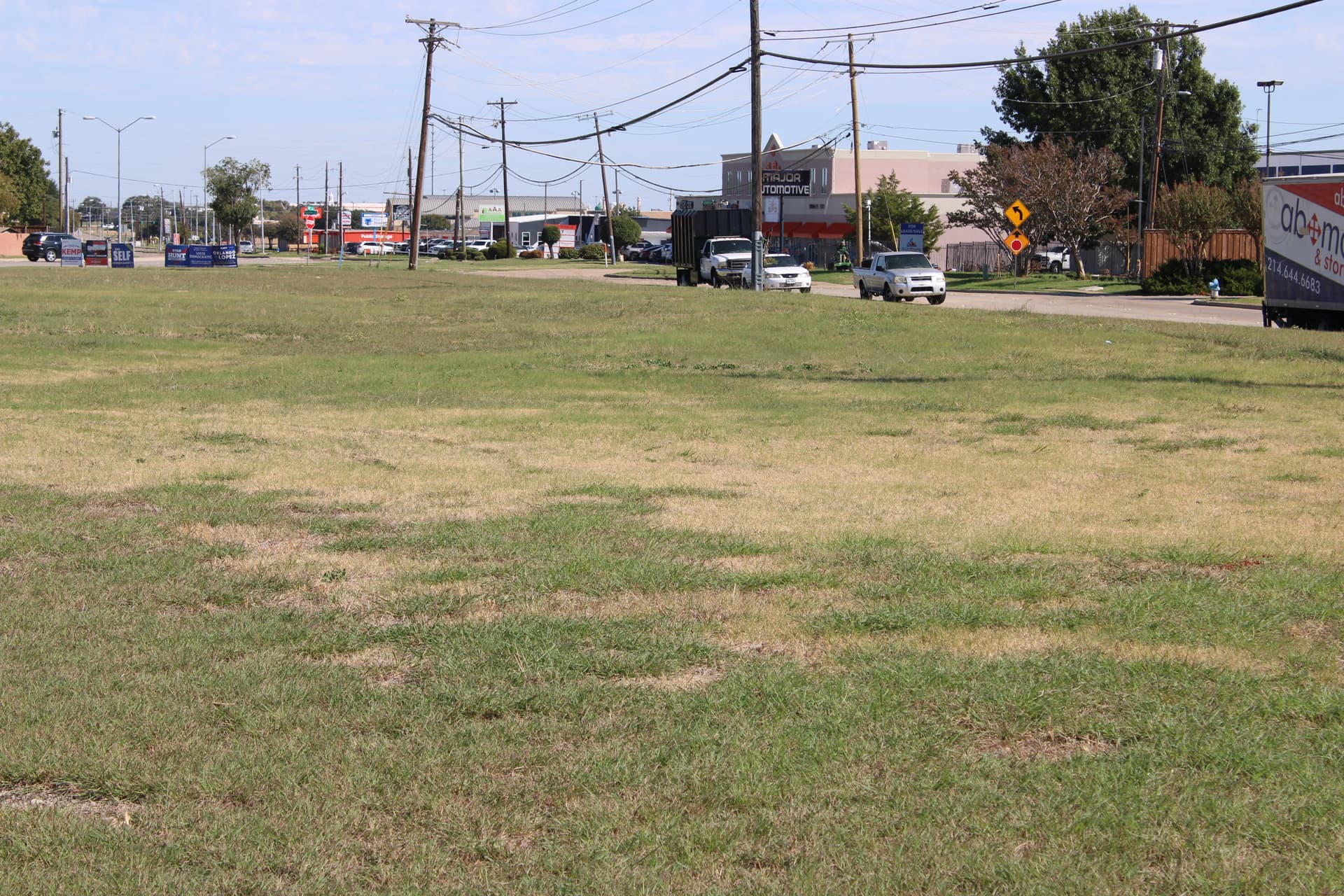
Land owner Todd Moore said at a Nov. 17 Planning and Zoning Commission meeting that his family bought the land in 1936 and has been operating it as a dairy farm since.
“The east side has always been neglected,” Moore said. “This [project] kind of moved the east side up to really gain some attention.”
Moore said he intends to “set the tone for the development with the right architects and the right builders,” housing, as opposed to building cookie cutter “tract housing.”
One more thing
The property could have also been impacted by recent state legislation changes, including Senate Bill 15, which brought the minimum required lot size for single-family homes to 3,000 square feet and restricts city authority on parking, open space and building height requirements.
Day said SB 15 would allow the construction of minimum 3,000-square-foot residential lots by right. Day also noted SB 15 would still apply to unplatted portions of Lavon Farms as it develops.
The plan for Lavon Farms features single family lots ranging from minimum 2,000-to-3,000 square feet, but Mayor Pro Tem Maria Tu said it should be noted that the developers are working with the city when under SB 15 they could legally begin building without a zoning change.
“They didn’t have to come to us,” Tu said. “Instead, they want to honor the Envision Oak Point Plan ... in exchange for that, they’re asking that a certain zoning be adopted so that they could basically implement the Envision Oak Point Plan the way that it is designed to be.”
What’s next?
If approved, Hickman said Nov. 17 they would expect to break ground on the first phase of the project before the end of 2026. Moore added that he expects the entire project to take seven years.