McKinney leaders and developers are collaborating to address housing affordability as cost burdens continue to increase for low-income and middle-income households in the city, a report by housing research firm Root Policy Research states.
Despite local affordable housing projects underway, the city is experiencing an affordability gap for its lowest earning households, the report states. The city’s median household income is $124,215, the U.S. Census Bureau states, but more than 40% of McKinney households earn less than $100,000 annually.
If stakeholders fail to meet local affordable housing needs, essential workers will become increasingly cost-burdened, said Margaret Li, McKinney’s director of Housing and Community Development.
“Our next steps now are to develop that formal affordable housing strategy,” Li said.
What’s happening?
Local stakeholders including developers, nonprofits and city officials gathered April 13 for the first McKinney Affordable Housing Summit. It featured multiple panel discussions and keynote presentations regarding affordable housing in the city.
The summit’s goal was to connect stakeholders, generate conversations and inspire future affordable housing projects in McKinney. Li said she was “thrilled” with the turnout and excitement the summit generated.
“We’re still looking to continue to be the leader in Collin County and continue to push the envelope,” Li said of affordable housing.
The focus on affordable housing initiatives follows new data showing that housing cost burdens have increased for McKinney renters and owners between 2015 and 2023, the Root Policy Research report states. A total of 12,473 renter households and 9,748 owner households were cost burdened in 2023, according to the report.
Households spending more than 30% of income on housing costs are considered cost burdened, which limits the ability to afford health care, education and food. It takes away a resident’s ability to spend money within the city, council member Justin Beller said.
“If we can reduce housing costs for everybody, for anybody that’s rent burdened, that just pumps money into our economy,” he said.
Diving in deeper
To meet affordable housing needs, McKinney needs more than 7,500 rental units and more than 13,800 ownership units by 2035, the report states.
While the city is on track for the amount of multifamily units planned to accommodate population growth, more is needed to address renters making under 60% of the area median income, or AMI, which is determined annually by the U.S. Department of Housing and Urban Development and used to measure local housing affordability.
“If we don’t put things in to ensure that we get the affordability level, we’re not going to be able to address the affordable housing units that we need,” Li said.
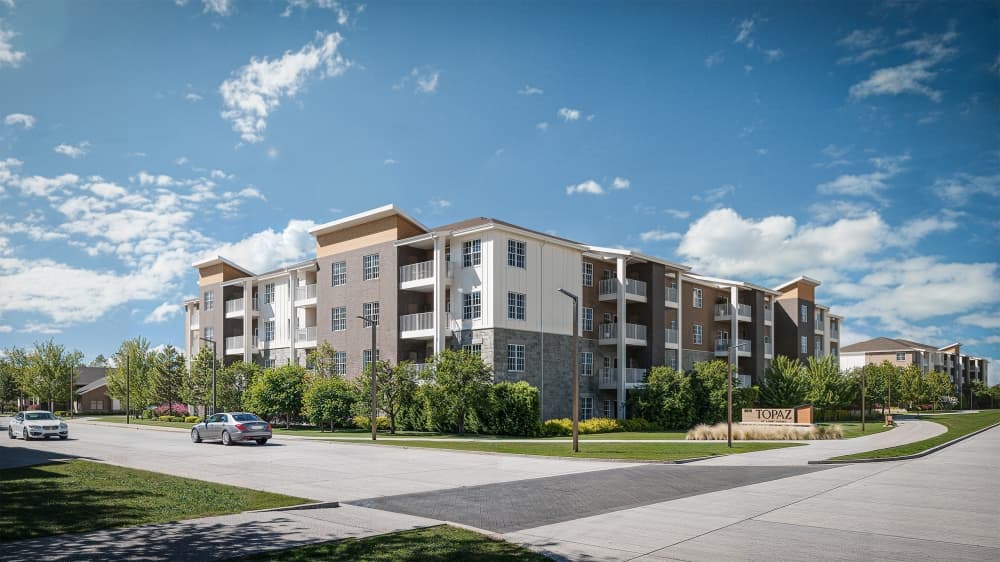
More affordable rental units have come to the city in recent years through projects like The Independence, a 205-unit apartment community that opened in 2022. The NRP Group and McKinney Housing Finance Corp. partnered to develop the community, The NRP Group Development Vice President Nick Walsh said.
The NRP Group is partnering with the corporation on another affordable project called Franklin Branch, located near the future US 380 bypass in north McKinney. Walsh said project officials hope to break ground on the 288-unit project by the end of this year or early next year.
The impact
The summit was formally hosted by the McKinney Front Porch, a collaborative initiative launched by the McKinney Community Development Corp. in 2023. The initiative includes multiple partners, MCDC President Cindy Schneible said.
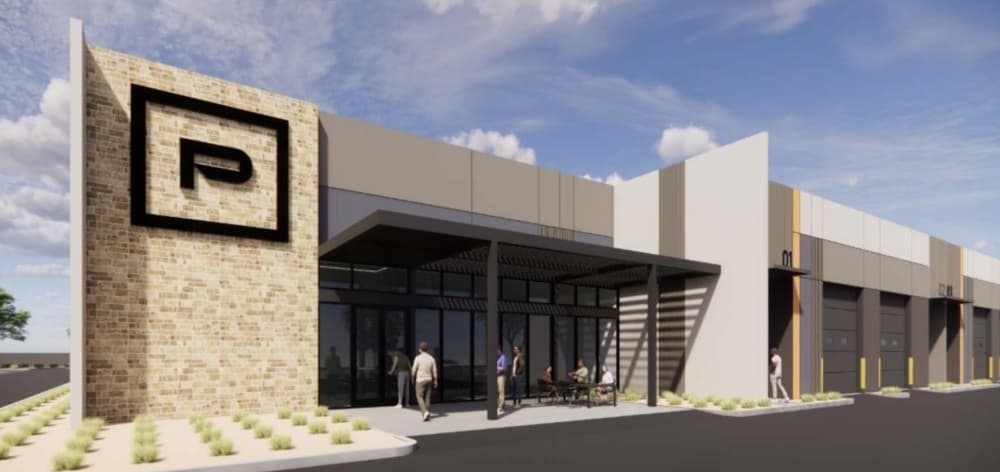
MCDC has supported multiple affordable housing projects over the years through organizations like Habitat for Humanity. Recently, the corporation awarded $2.5 million to a senior affordable housing project being developed by Palladium USA.
"Affordable housing is one of the strategic priorities for MCDC and I think that it's one that is directly related to quality of life in McKinney,” Schneible said. “When you provide people with an opportunity for affordable, safe and decent housing, it contributes to the community and the economy as a whole"
Michael Kowski, president and CEO of the McKinney Economic Development Corp., said he views housing as “economic infrastructure” on par with the city’s roads and utilities. Affordable housing is frequently discussed when MEDC officials talk to prospective companies about relocating to McKinney.
One more thing
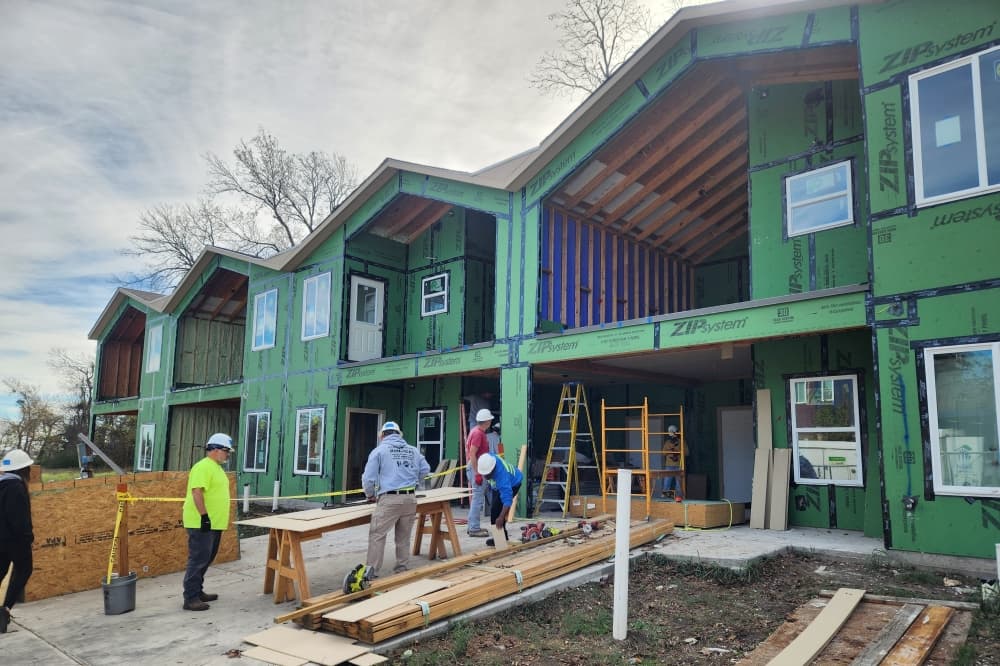
Habitat for Humanity of Collin County has several projects currently underway in McKinney, including the Cotton Groves, a 35-unit affordable townhome development. In March, the first five families moved in.
“I see affordable housing as a critical enabler of economic development and workforce development,” CEO Stephannie Krunglevich said. “Housing is what allows folks to live and work in the communities that they live and work in.”
City officials are developing an action plan based on recommendations from the Root Policy Research report and hope to present it to council by the end of the fiscal year.
“No one can do it alone,” Li said. “Even the developers can’t do it alone, which is the reason why they come to us or the housing authority for the tax exemptions ... The projects just aren’t feasible on their own.”