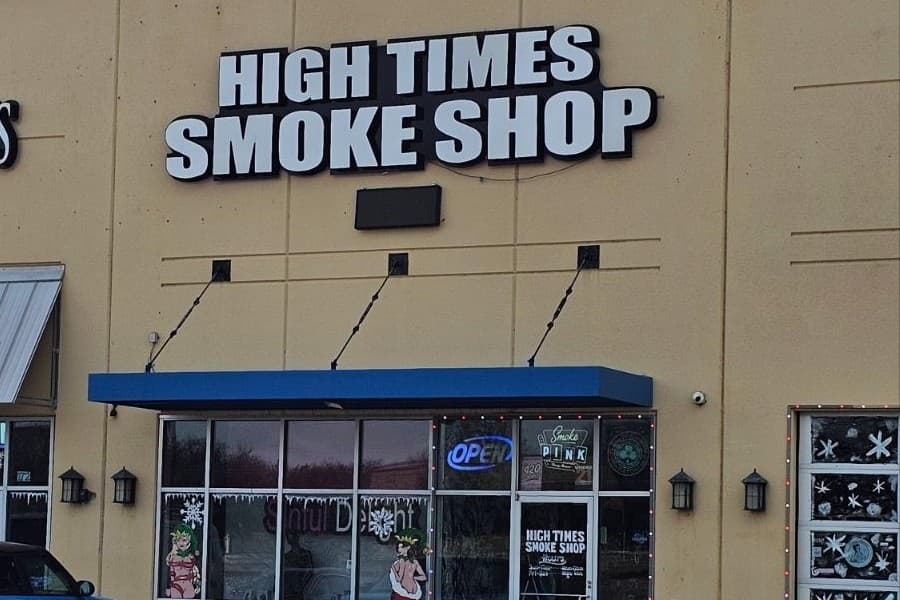
The city of Fort Worth staff and City Council are working on amending zoning ordinances related to certain business uses throughout all 10 council district areas.
Alleviating the proliferation of certain business uses, such as liquor package stores, retail smoke shops, pawn shops and payday loan stores, was discussed at a council work session meeting Jan. 6.
Staff first presented the proposed amendments during a Dec. 2 meeting, and the follow-up came after receiving feedback from business owners and additional research, according to council documents.
The context
The changes to the ordinances would deal with the distance needed for separation between similar businesses and also remove permitted use in certain areas, according to city documents.
The council will vote on the amendments during a Jan. 27 meeting.
Proposed changes include:
- Removing liquor store or package stores as permitted use in neighborhood commercial zoning and mixed-use
- Establishing a 1,000-foot distance separation requirement between liquor stores
- Adding “Credit Access Business” as a new land use in the zoning ordinance uses
- Establishing a 1,000-foot separation distance between credit access businesses and other establishments
- Amending the definition of retail smoke shop to state “stores that derive 51% [currently 90%] or more of their gross annual sales from the sale of tobacco, cigarettes, smoking and electronic smoking devices or related products and accessories and do not sell alcoholic beverages for onsite consumption
- Establishing a 1,000-foot separation distance requirement between retail smoke shops
- Increasing the distance requirement from “sensitive uses” from 300 feet to 500 feet
- Expanding the list of sensitive uses to include public parks, places of worship and daycare centers. Current sensitive uses are schools, universities and hospitals.
What they’re saying
“Quite a few opened and got their [certificate of occupancy] through general merchandising and it was not declared a smoke shop,” Council District 4 representative Charlie Lauersdorf said. “Is there a process we can go back and verify they are legitimately operating right now?”
Assistant city manager Dana Burghdoff said development services or environmental services, if it's a commercial business, could go on-site and check if the certificate of occupancy and zoning requirements are met.
If there is a violation, she said the city staff would work with the owner to change the use, seek a zoning change or change the certificate of occupancy.