Allen residents could see more automated license plate readers in the community in the future, Allen Police Chief Steve Dye said.
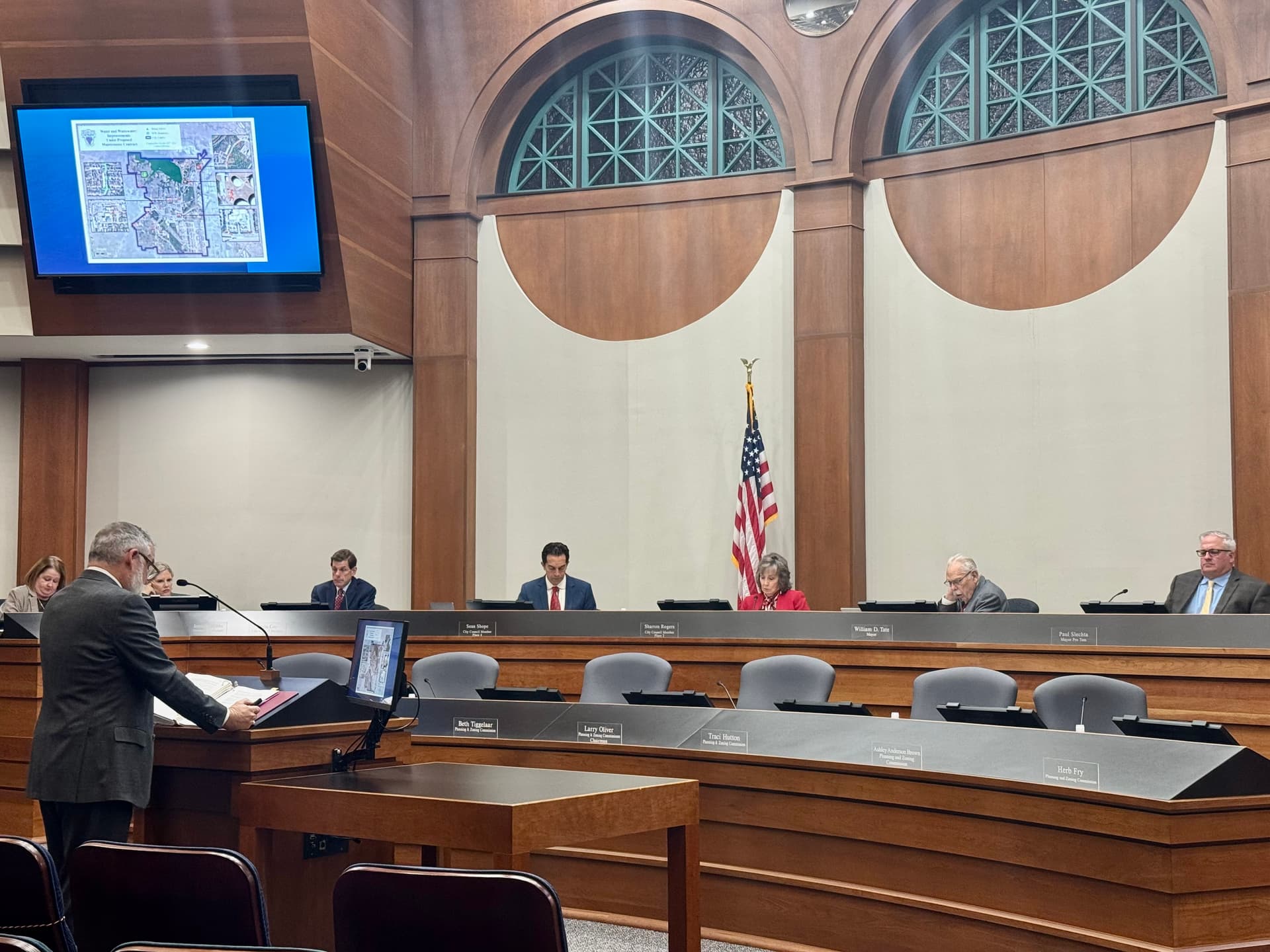
Dye shared an update on the city’s automated license plate reader program at a June 23 Allen City Council work session meeting.
The gist
The Allen Police Department uses automated license plate readers, or ALPRs, as a tool to enhance public safety, according to Dye’s presentation. The readers can support patrol operations and assist in criminal operations by identifying vehicles associated with outstanding warrants, criminal investigations, Amber Alerts and other law enforcement purposes, the presentation states.
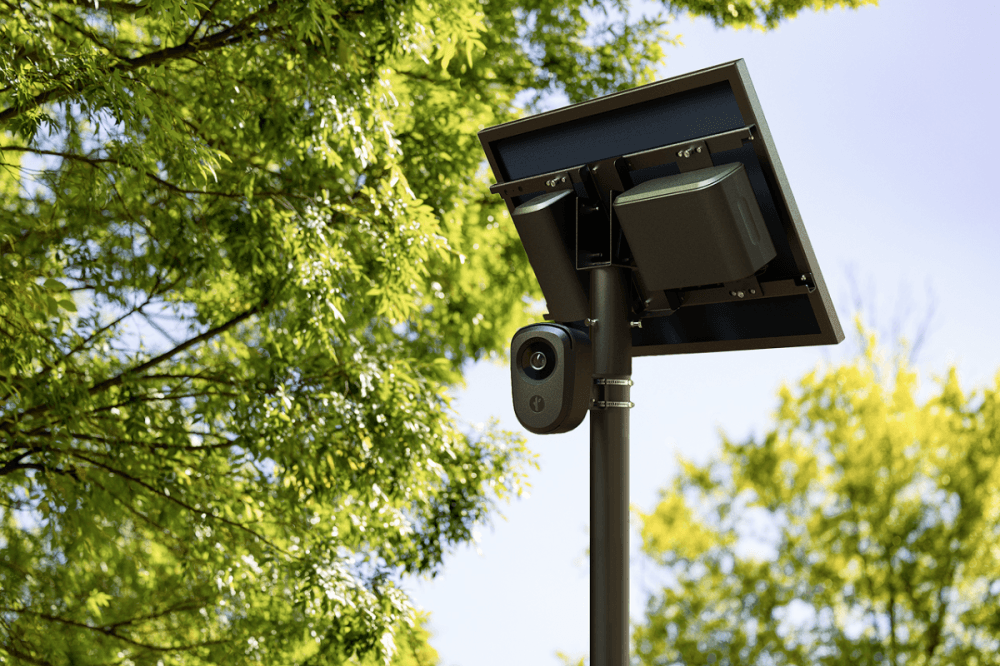
The readers work by capturing images of license plates and vehicles, and converting the images into searchable text that can be used to search law enforcement databases for both the license plate number and a description of the vehicle, Dye said. The cameras can collect and store license plate numbers, images of the vehicle, and the date, time and location the image was captured.
The cameras cannot identify the driver or occupants of a vehicle, Dye said. The data collected from the readers also cannot be used as the sole basis for obtaining a warrant, arrest or conviction, according to the presentation.
“As we do with everything, we conduct this in a very lawful, ethical manner,” Dye said. “Civil liberties and our criminal justice information system requirement [are] all in compliance with those pretty stringent regulations to make sure that we maintain privacy and civil liberties and civil rights.”
Diving in deeper
The department’s ALPR network includes 34 stationary cameras, including 13 Flock Safety cameras and 21 Motorola Solutions cameras, as well as readers installed on police vehicles, he said.
The information collected by the readers is owned by the Allen Police Department, Dye said, and only shared with other police departments when an information sharing agreement is in place. The Allen Police Department has sharing agreements for Flock Safety ALPRs with over 1,500 other agencies and sharing agreements for Motorola Solutions ALPRs with over 3,000 other agencies, the presentation stated.
Dye said while the department primarily uses Motorola Solutions technology, he opted to try Flock Safety cameras when adding the most recently purchased ALPRs to compare the performance between brands.
“There may be a point in time where I come to you and ask for additional readers, and I would suspect that those are going to be Motorola,” Dye said to council members.
Also in the department’s network are ALPRs installed on private properties that have agreed to share their collected data with the Allen Police Department. Dye said there are various private properties in Allen that have ALPRs installed, such as Watters Creek Village and Allen Premium Outlets.
Dye said the tool is the “most effective force multiplier” he has seen during his 42-year career in law enforcement.
Quote of note
“If I'm out on patrol and my computer alerts me that a stolen vehicle just went through an ALPR, it will give me the license plate and the vehicle description. If I see that vehicle, that does not allow me to just pull that vehicle over," Dye said. "I have to verify that it’s the correct license plate. I have to verify that's the correct vehicle description. ... This can never be used as a sole means of probable cause, this is an investigative tool.”
What else?
Dye said common misconceptions about the readers are that they are able to track cellphones, monitor social media or be used for facial recognition.
“We can't use it for facial recognition. You can't see the people, the gender, the race. You just can't see that from the images,” he said. “If we're going through a parking lot and the license plate reader activates on a vehicle and a person happens to be standing outside of their vehicle at the time we drive by, occasionally we may get a person in that scenario on a stationary vehicle, but that's a very, very rare occasion.”
Data collected from Flock Safety cameras are retained for 30 days while information collected by Vigilant cameras is retained for 90 days, unless the information is being used in a criminal investigation.
The department has an established policy regarding ALPRs, which Dye said has been updated twice during his time as chief; once in May 2024 and again in June 2026. The policy outlines accountability around the use of information collected by ALPRs as well as data retention, dissemination, storage and auditing, Dye said.
“We cannot use this for immigration enforcement, traffic enforcement, harassment, intimidation,” Dye said. “Any tool that we use, whether it's law enforcement or the private sector, there's always going to be somebody that misuses it. That’s just the fact of the matter. ... We have a high level of accountability.”
By the numbers
The department hasn’t tracked every case that ALPRs assisted in, but Dye said so far in 2026 there have been at least 21 instances where information captured by the readers resulted in an arrest, including:
- 15 warrant arrests
- One hit-and-run
- Two stolen vehicle recoveries
- One burglary
- One kidnapping
- A human trafficking case
A new addition to the department’s records management system will require personnel to identify if an ALPR was used in an arrest, and Dye said he expects the system will better track how information collected by ALPRs is used in the future.