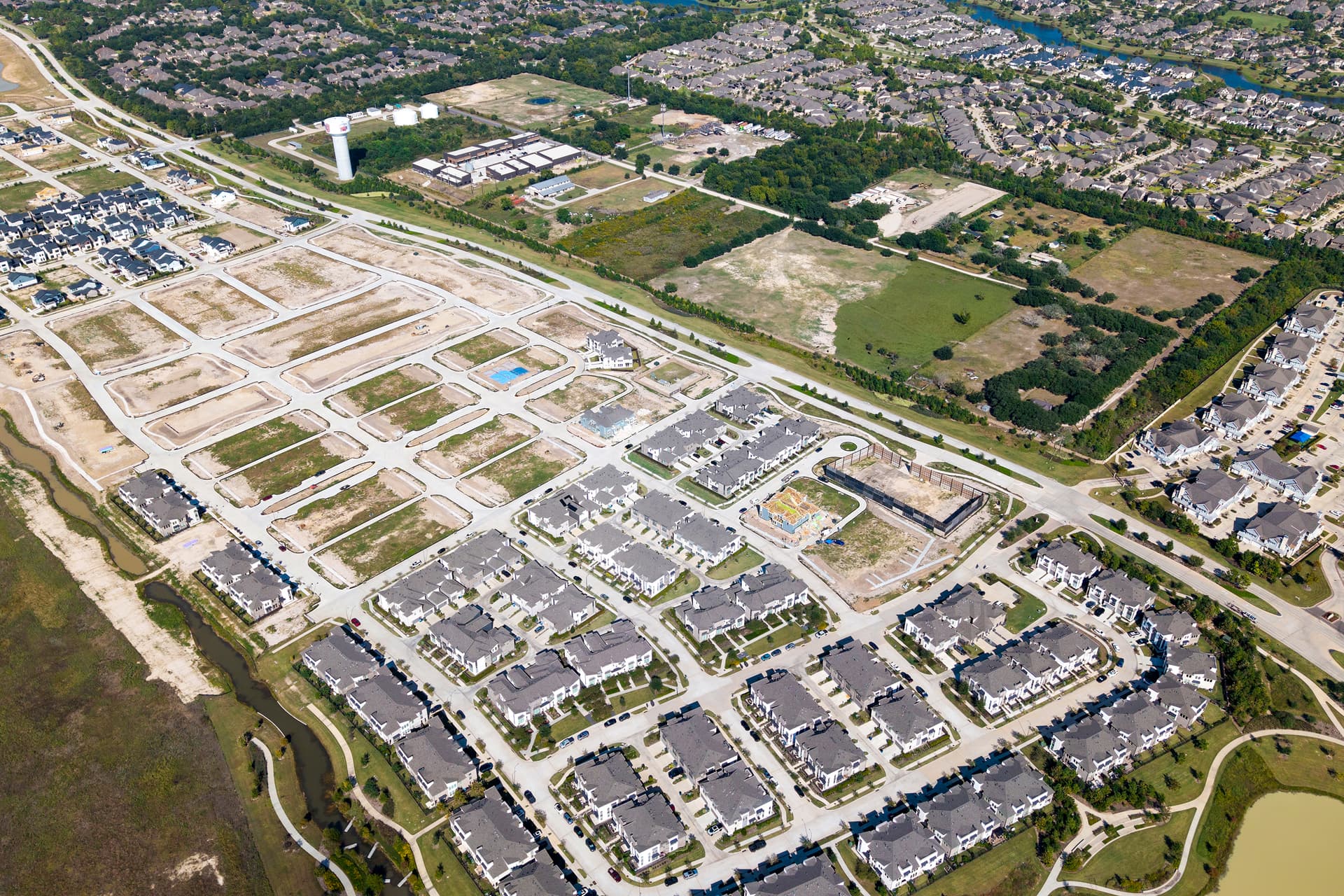
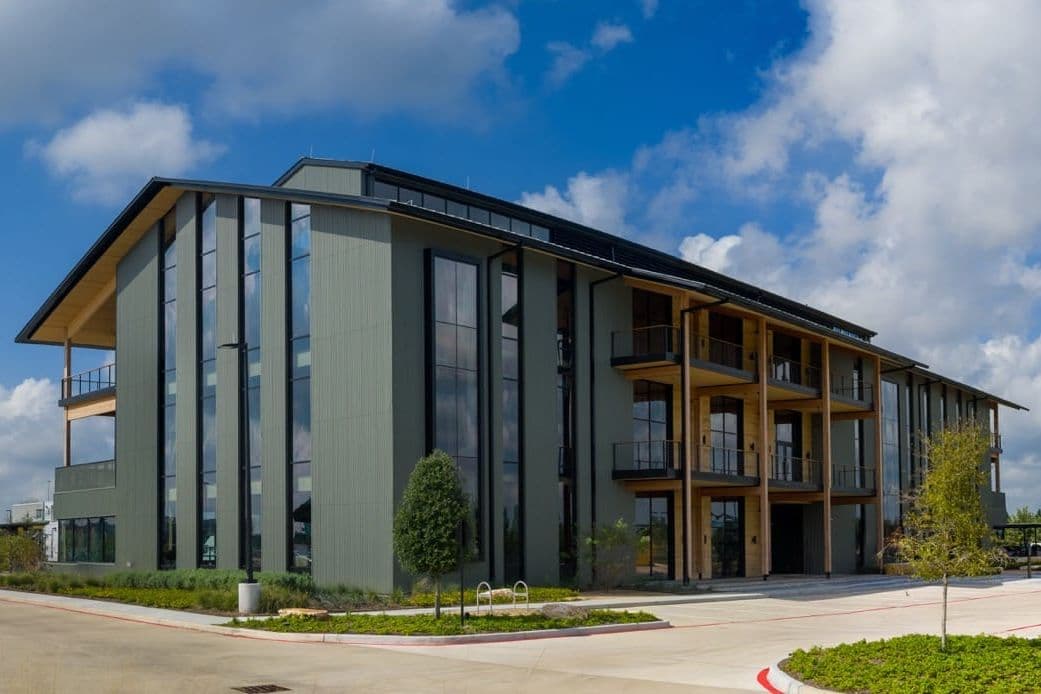
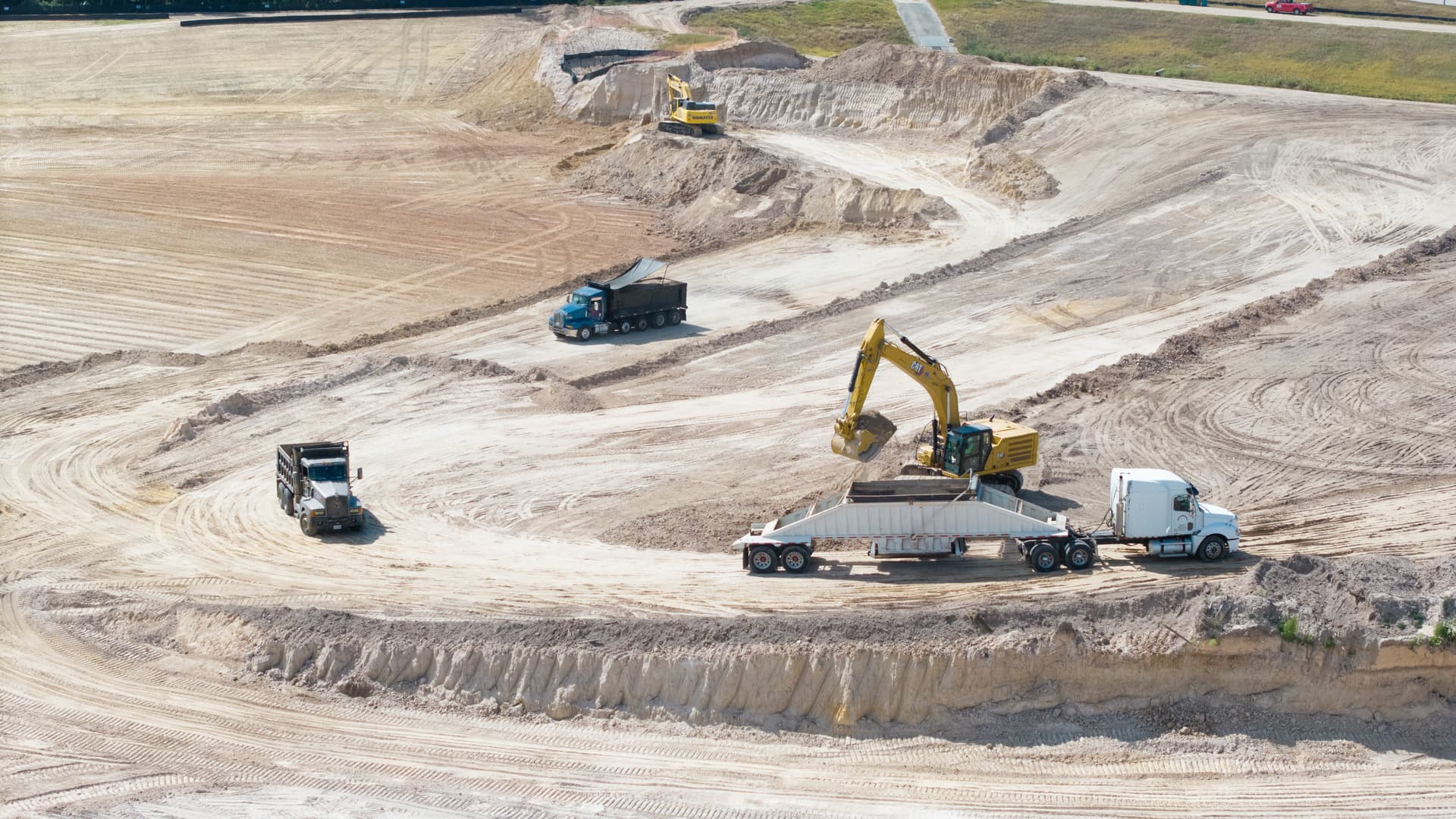
Development along Hwy. 99 continues to swell as Bridgeland grows. (Jamaal Ellis/Community Impact)
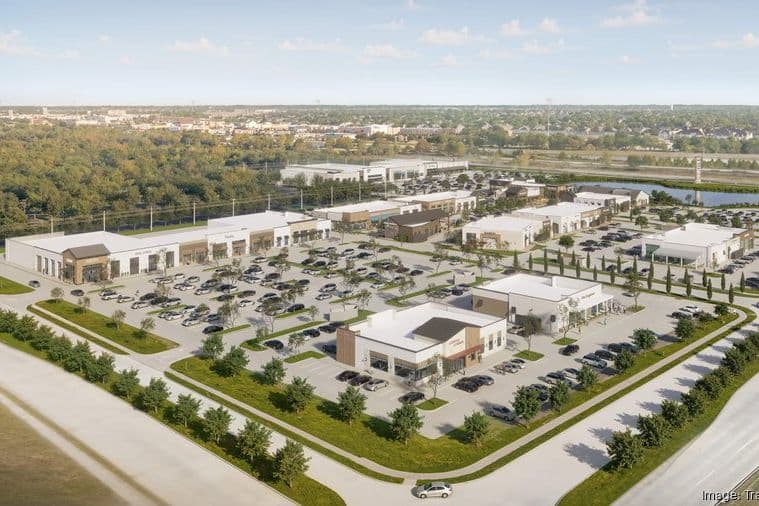
Bridgeland today has about 30,000 residents and more than 10,000 homes. For the booming Cypress community, Bridgeland Central and the Toro district are set to kick off what comes next and continue to drive concentrated growth around the Grand Parkway.
Latest update
The Northwest Houston community, developed by Howard Hughes, is about halfway to build-out, nearly 20 years after breaking ground. With a projected 70,000 residents and 23,000 homes at completion, according to its website, the surrounding community is preparing.
“Northwest Houston is experiencing the kind of growth that changes the role of development. As people move into the area, businesses are following and fast-growing communities need more than just rooftops. They need anchors that create activity, infrastructure that keeps pace and partnerships that support long-term value,” Howard Hughes Communities said in a statement.
In response to development, officials are planning to expand services, including fire and public safety.
Bridgeland's current and future developments and the current and projected stations that will serve them. Sources: Cy-Fair Fire Department and Howard Hughes Communities/Community Impact
What they're saying
The growth in recent years has created differences in what new and old residents might be looking for in the area.
Residents who have lived in the region for decades described the area as having once been tranquil, only to be disrupted by construction and crowding. However, those newer to the area praise the convenience of the new infrastructure available to them.
Residents who have seen the growth first hand share all the changes they've experienced.
Managing the impact
During its 2026-27 budgeting process, Cy-Fair Fire Department worked with HdL Companies and PASA to project the department’s “total-build-out dollar figure” from revenues ahead of building and staffing new stations, Assistant Chief of Administration Mike Clements said.
A 2023 study, referred to as Citygate, recommended CFFD add eight stations to match future growth and infill existing coverage areas. Clements said there were questions from the community about whether the western growth would pay for the new stations. Data shows it won’t.
Currently, around 80% of CFFD’s budget goes toward employee expenses—payroll and insurance—and Clements said he knew staffing these new stations would bring recurring costs that projected tax revenues post-construction won’t balance.
PASA data showed a 21% increase in population is expected by 2035 within CFFD coverage lines, and Clements said a large majority of this increase is in the western region along Hwy. 99, where the first two growth stations will open.
The Cy-Fair Fire Department has plans to deal with concentrated growth along Grand Parkway, as well as the larger Cy-Fairbanks area. Source: Cy-Fair Fire Department/Community Impact
Local impact
Despite Bridgeland's ongoing development, Cy-Fair ISD is not expected to benefit from most of it.
As CFISD nears full build-out, Superintendent Douglas Killian said, Bridgeland’s newer homes are unlikely to send enrollment surging.
Current and projected development will mainly be zoned to Waller ISD, according to Bridgeland’s website, while some southern portions of Prairieland will be zoned to Katy ISD.
CFISD isn’t out of the running for new students only because projected schools will feed into Waller and Katy ISDs, but because birth rates in established Cy-Fair have continued to fall, according to PASA data detailing this trend.
Killian noted that declining birth rates and a family shift away from city centers are impacting districts statewide.
The Cy-Fair Independent School District has seen steady enrollment decline, and projects those numbers to continue decreasing. Source: Cy-Fair ISD/Community Impact
The bottom line
As the Cypress area's population stabilizes, the ZIP codes in the western regions have seen steeper rises in comparison to those further east, per United States Census Bureau data.
Growth from both a development and population lens will continue to be geographically uneven across the Cypress community, with the most potential for residential development concentrated in the western and northwestern regions, according to PASA data.
Populations have seen consistent expansion across Cypress ZIP codes. Source: United States Census Bureau/Community Impact