


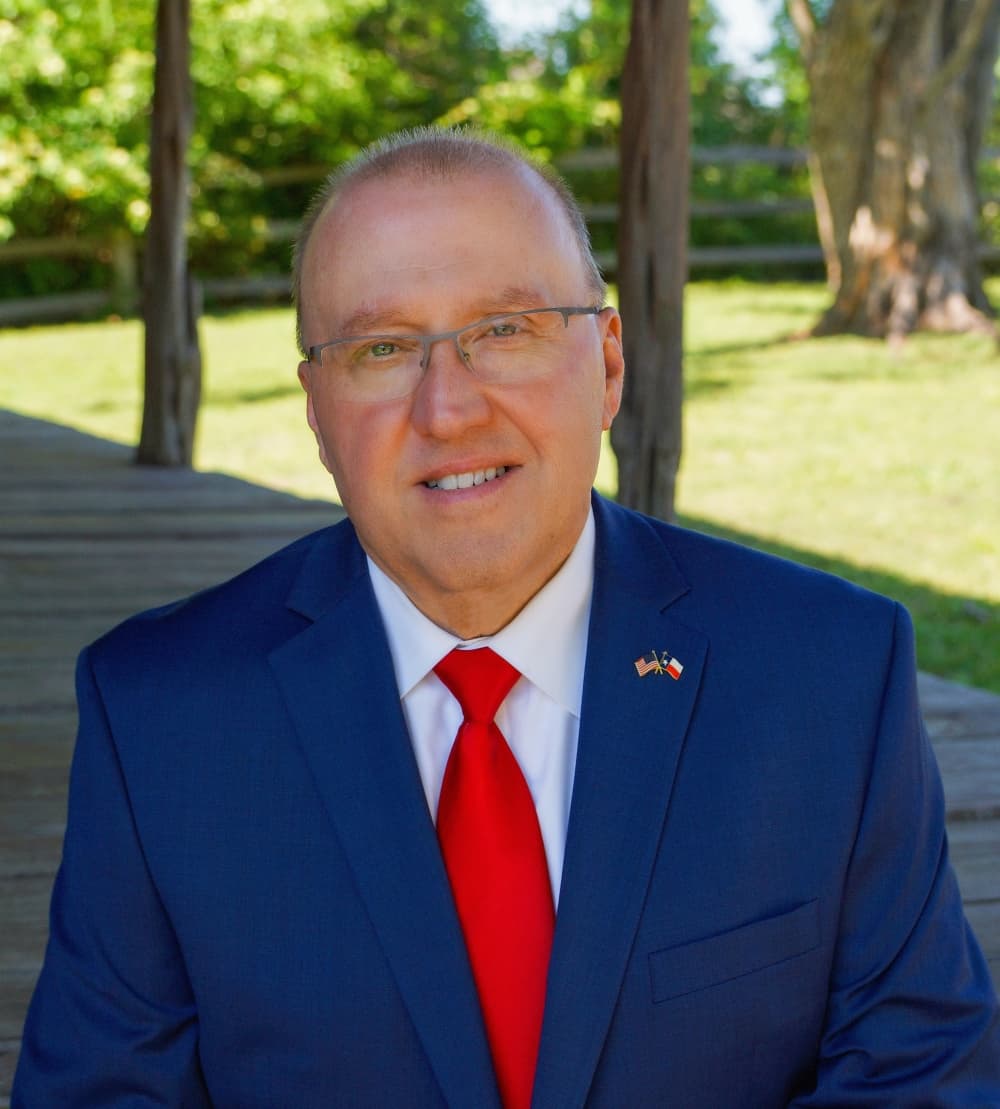
Editor's note: An earlier version incorrectly identified Wayne Mack as the County Court at Law 1 Judge, the story has been corrected to identify him as the Justice of the Peace for Montgomery County's Justice Court Precinct 1.
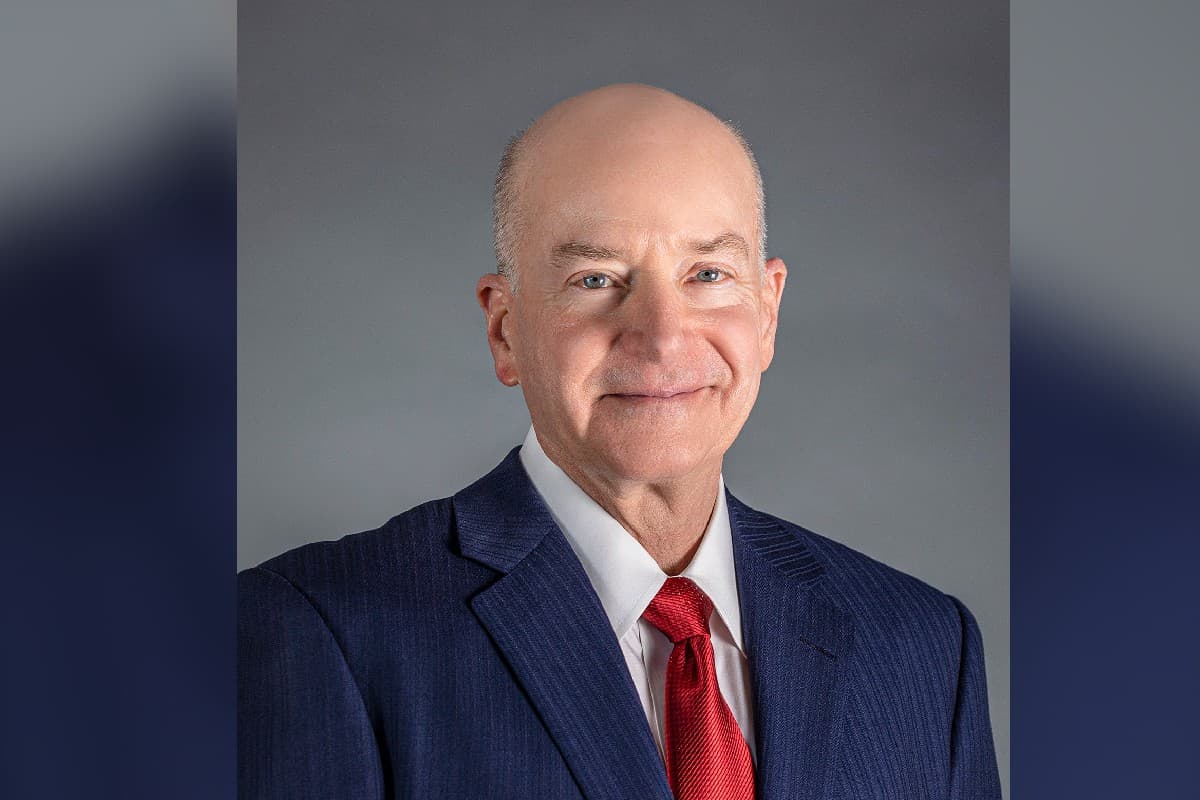
Wayne Mack, who first began serving in Montgomery County’s Justice Court for Precinct 1 in 2014, has also worked to address substance use and mental health in his community. In 2020, Mack assembled the Behavioral Health and Suicide Prevention Task Force and has taught classes at the American Foundation for Suicide Prevention. Mack also acts as a county coroner along with other county court judges. Community Impact Newspaper sat down with the judge to discuss how the pandemic has affected substance use disorder patients and care providers.
This interview has been edited for length and clarity.
What are the biggest struggles that substance use patients and care providers face in Montgomery County?
So I think the biggest challenge when it comes to addiction is that we don't view addiction properly as a disease. You know, it's monitored every day, for the rest of our lives, when we're diagnosed with diabetes, but ... we don't offer the same support for addiction. We tend to blame versus treating [it] as a disease, and without a change in how our society views addiction as a mental illness and as a public health issue, it's very difficult for people that live with that.
There's no parity when it comes to treating addiction [compared to] other diseases. For somebody to have an effective treatment regimen, it's going to take 12 to 16 months for that person to get that disease under control. And most insurance companies pay for 30 days of treatment. The difficulty in the mental health field as a whole is the frustration of trying to treat a disease and not being able to do it with the resources that are necessary, and we don't throw billions of dollars of research towards addiction like we do diabetes, heart disease or cancer.
What could governments be doing to improve access to care?
I think the only way we can have some meaningful change is for government, nonprofits, the faith community, all to redirect resources to dealing with addiction. And we've got to pull down the veil on hoping that if we keep doing the same thing, we'll have a different result when it comes to behavioral health, mental health and addiction. We’ve got to change how we do things in Texas. We're 51st in the nation [in] what we spend per capita for behavioral health. ... We've got to change that. And until we do, it's just like years ago with heart disease and lung cancer and diabetes. There were many cancers just 20 years ago that if you were diagnosed with the cancer, you had a terminal diagnosis, and there was no treatment. ... I was diagnosed with cancer 14 years ago, and they told me I would have no remission. Fast forward 14 years later, and now they're treating this cancer that I have almost like diabetes; there's medicines available to keep it in check. ... [We have to] get focused on putting money towards meaningful change when it comes to behavioral health and addiction and addiction. ... [It's] incumbent upon us as society, our governments and nonprofits. And as a whole, we have to direct funding towards this. Our county governments, city governments, school districts, the state government and the federal government all have to prioritize this and make it a priority. Because again, we can't keep doing what we've always done and expect a different result.