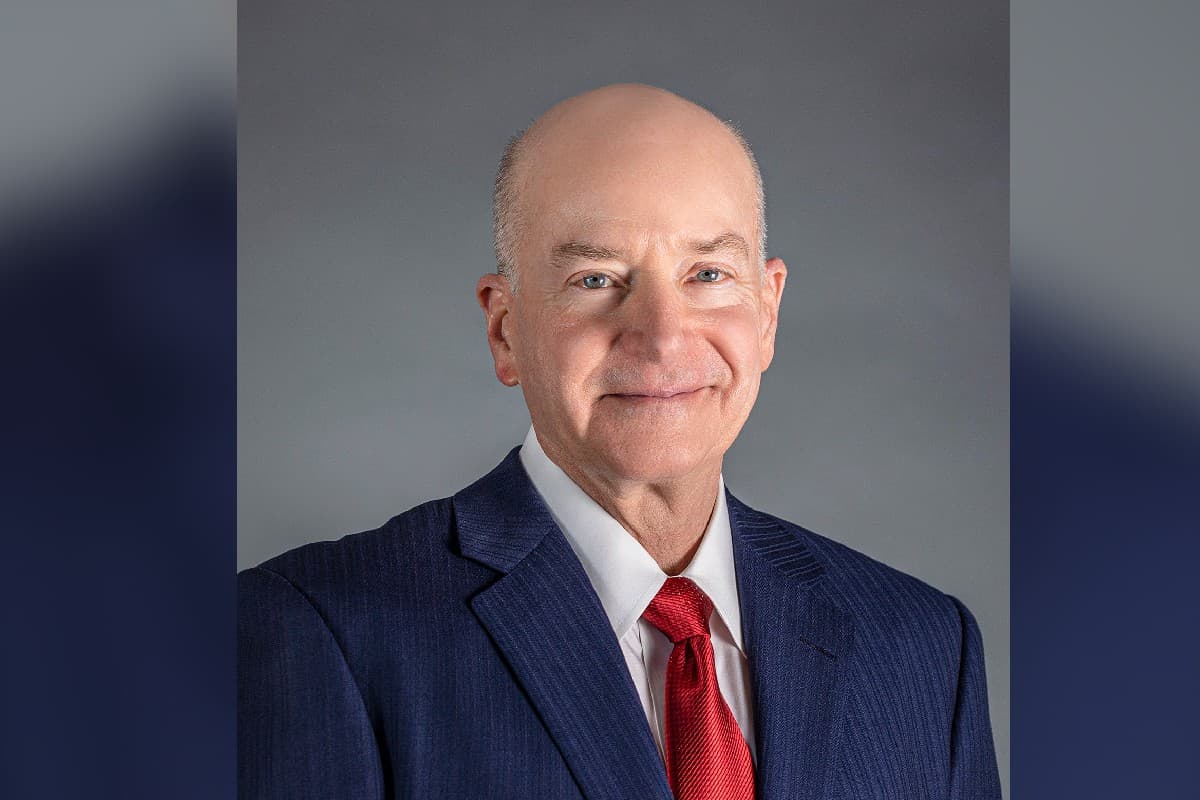
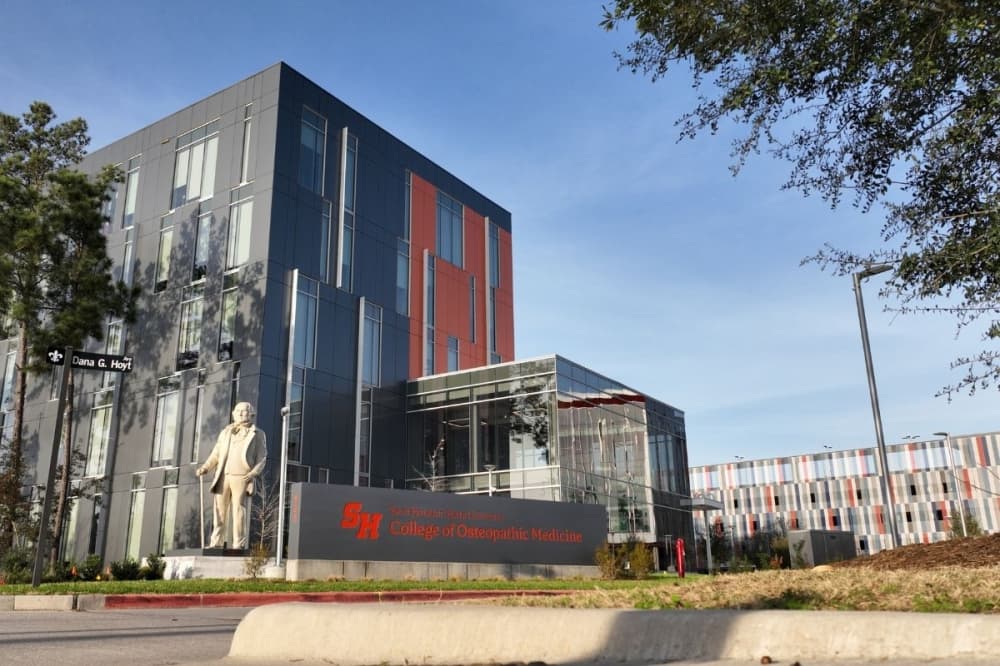
In 2024, Sam Houston State University’s College of Osteopathic Medicine received a $5 million grant to create a new master’s degree. But SHSU-COM Dean Dr. Thomas Mohr said the vision evolved when they grew a group of artificial intelligence experts.
“The grant ... allows us to partner with people ... who may not be full-time faculty. ... [I realize] we have ... an institute,” Mohr said.
SHSU-COM’s Medical AI Institute, announced last November, is underway with initiatives such as developing graduate certificates, Director Vinoth Sittaramane said.
What you need to know
Sittaramane said the new Medical AI Institute is centered around three objectives: education, research and clinical care. Nested within each goal are more specific goals such as developing certificate programs, supporting innovation in areas such as diagnostics, and strengthening patient communication.
“At the center of all of this, I think the belief is that technology should support people, especially patients, physicians, students and communities in a way that is practical, ethical and human-centered,” Sittaramane said.
With regard to clinical care, Sittaramane said he sees “tremendous potential” for the technology to help patients take greater ownership of their health goals through better access to information, greater remote monitoring, improved preventative care tools and more connection with health care systems.
On the research side, several AI tools are being approved by the U.S. Food and Drug Administration in a shorter framework, Sittaramane said, and the Medical AI Institute could provide evidence-based information on the tools’ effectiveness.
Sittaramane also said the institute is working on workforce development, including AI literacy programs, and has already offered health care providers continuing medical education credits with its Practical and Ethical Applications of AI in Health Care program.
“We are bridging the gap between education, research and clinical innovation ... towards better community health outcomes,” Sittaramane said. “This is a health care technology and it needs to remain patient-centered. It needs to be ethical and needs to be grounded in real clinical needs.”
Some context
Alongside the Medical AI Institute, SHSU-COM is also preparing to launch its new master’s program this fall, pending final approval from the Southern Association of Colleges and Schools Commission on Colleges.
The new master’s in applied biomedical sciences will feature four specialized tracks, one of which will be in medical/health care artificial intelligence.
“We wanted something that was incredibly usable and useful going into the future for workforce development,” Mohr said.
Sittaramane, who also serves as program director for the new master’s program, said AI tools and training will be infused across all four specialized tracks through core courses. However, the AI specialized track involves hands-on courses where students are given data to train AI models, as well as an internship opportunity where they work with an employer to see how AI is being used.
One more thing
SHSU-COM is working to integrate AI into its health care education in other ways as well. The university was awarded $25,000 through the American Association of Colleges of Osteopathic Medicine’s Innovations in Graduate Medical Education Development Grant, per a May 28 news release.
The three-year grant will support an initiative called AI Across Residency, which aims to incorporate AI into residencies.
Additionally, SHSU-COM received approval to launch the Department of Biomedical & Digital Health Intelligence in Clinical Systems, aka BioMedics, per a June 1 news release, under which the Medical AI Institute will be housed.
“Health care is changing rapidly through advances in technology,” Mohr said in a news release. “This department positions our college to prepare future physicians and health care leaders to ... lead in that environment.”
Zooming out
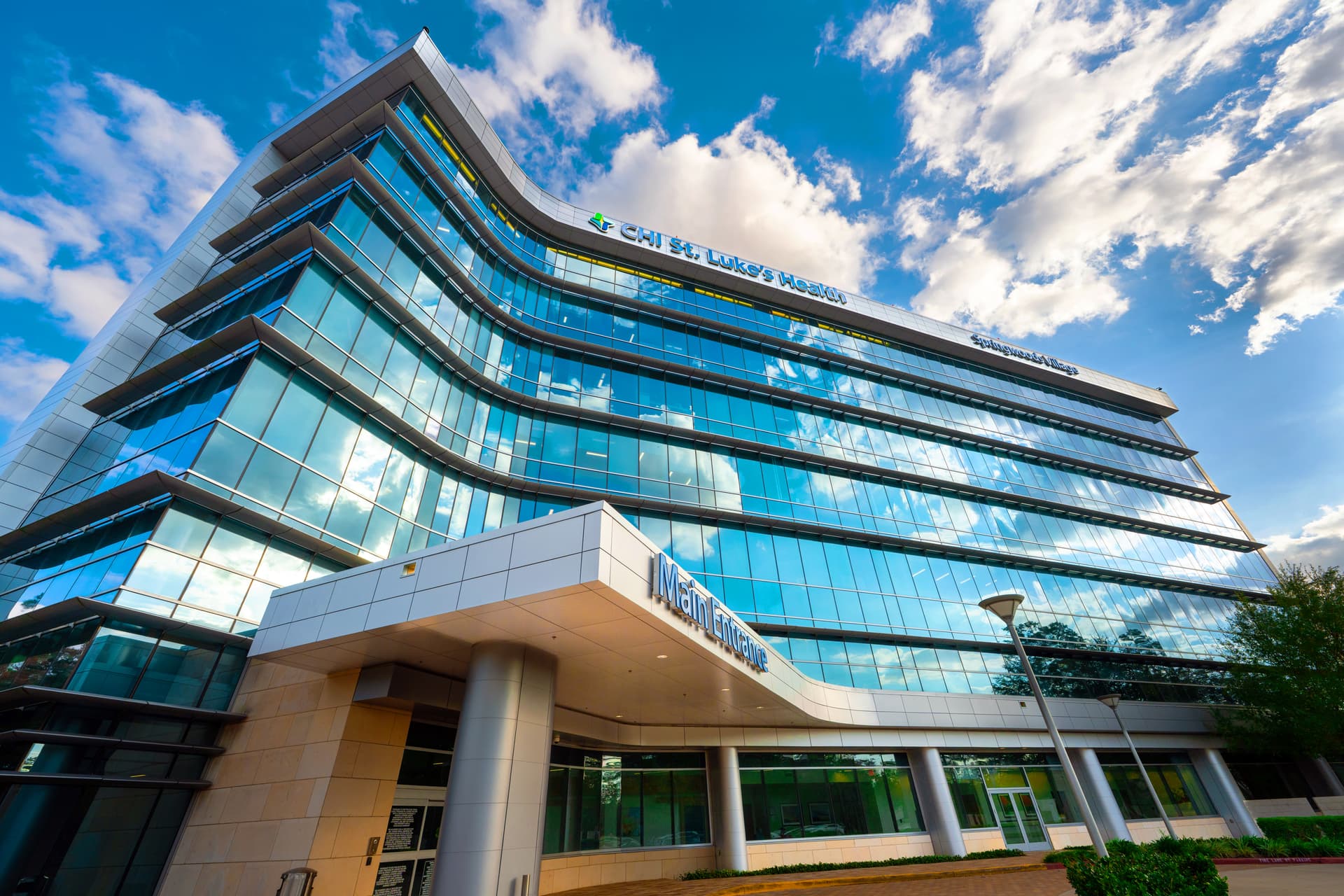
Scott Packard, a spokesperson at Baylor at St. Luke’s Medical Center’s parent company CommonSpirit, said AI is being used in ways such as monitoring patient data. Doctors also use GE HealthCare’s AI-powered Allia Moveo during surgery to help see blood vessels and other structures more clearly, per GE HealthCare news release.
Packard said AI is regulated by a CommonSpirit committee to ensure there is always a clinician between AI and the patient, and that it never makes decisions without clinician approval.
Before you go
Looking ahead, Mohr said the university has other “fairly large” grant and appropriation requests that have been submitted for support. SHSU-COM is also conducting a needs assessment across its residency programs to determine what tools can be immediately utilized.
“I don’t know what it’s going to look like yet because right now we’re still in the needs analysis to say, ‘OK, if we are going to focus in on three or four different technologies that utilize AI, what would be the most important for you right now and then how can we augment that, assess that, do research on how well that works,’” Mohr said.
Mohr said SHSU is not just focused on outcomes for patients, but training outcomes for the students being educated.