Editor's note: This story was updated with a new comment from Austin Homeless Strategies and Operations about a planned public dashboard release.
City crews conducted hundreds of site visits, cleared hundreds of thousands of pounds of debris and moved dozens of people into shelter over the first month of Austin's ramped-up homeless encampment management.
The big picture
Earlier in the spring, Austin Homeless Strategies and Operations announced an expanded model for addressing the scores of known encampments in public places around the city.
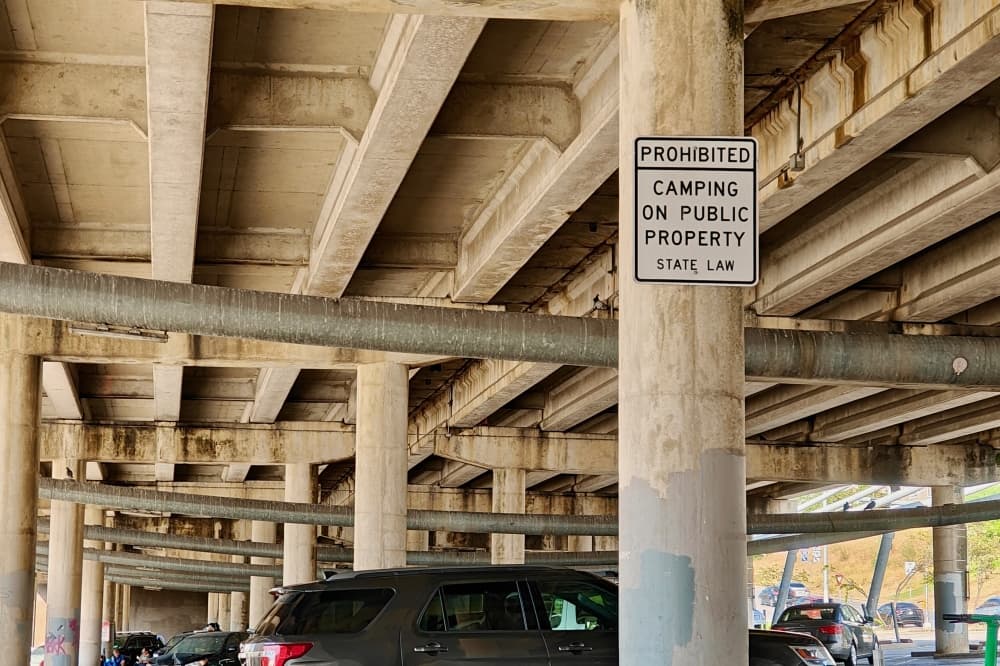
Austin's renewed response came years after local voters reinstated a public camping ban, and followed shorter-term targeted encampment clearings by both the city and state agencies last year. The new model launched in May after AHSO Director David Gray reported local cleanup efforts weren't resulting in "sustainable progress" and were losing public trust.
The new approach has multiple departments responding to priority encampments, notifying people at those sites about city enforcement operations and attempting to connect them with resources like housing as the locations are cleared. It also involves return site visits to monitor site restoration and whether they're reoccupied.
An AHSO map created in April identified dozens of initial targeted encampments and has since been updated to show varying states of city response at those locations.
By the numbers
From May 11 to June 5, AHSO-led teams conducted 456 total visits to 127 unique locations citywide. More than 334 tons of debris were cleared from those sites.
Half of the people contacted at encampments accepted offers of assistance. Thirty-five were connected to shelter, nine declined shelter but were connected to supportive services and 44 declined any help. Five people were cited during the city's enforcement, and four received criminal trespass notices; none were arrested.
As part of ongoing monitoring, AHSO found people are frequently reoccupying sites after they're cleared. Almost 30% of encampments addressed by city crews had signs of return activity, according to the homeless strategy office.
Austin's encampment response is largely driven by resident 3-1-1 requests, and Gray said more than 850 were received in the first month of the new process. The city is now averaging 4.9 days from initial 3-1-1 reports to its first site assessments.
Early results from this spring's continuing approach were similar to a limited initiative last fall, when Austin crews conducted 669 site visits, connected 181 people with shelter and 87 with other services and cleared almost 750 tons of debris over three weeks.
It's unclear how much the new encampment management model has cost the city so far compared to previous operations. Gray said required resources will likely decrease over time after Austin's largest encampments are addressed, and that a complete cost update will be provided in the future.
What else
Last year, City Council called to launch a public dashboard and reporting tools to more closely track the status of homeless encampments and city clean-ups. It's now expected to go live this fall.
A separate dashboard is also being developed at council members' request to publicly display funding and performance outcomes of AHSO's overall housing and service efforts. An initial data report requested in December was first delayed until June and has yet to be released. An AHSO spokesperson previously said an update would be provided June 30, and Gray later said the initiative remains in progress amid a review of internal data accuracy.
“Following consultation with HSO’s assigned Austin Budget and Organizational Excellence liaison, significant data cleanup needs were identified to ensure performance measures are accurate and aligned with current citywide and departmental strategic plans. The next step is to consult with Austin Technology Services to assess limitations of the current open-source platform and identify security requirements for any potential migration to City infrastructure," he said in a statement.