



With the holidays around the corner, leaders from Austin Public Health continue urging residents to take precautions as more front-line workers gain access to COVID-19 vaccines from manufacturers Pfizer and Moderna. While APH representatives said at Dec. 21 news conference that vaccines do represent hope, they are unlikely to curb the high virus transmission rates Travis County is seeing in the short term.
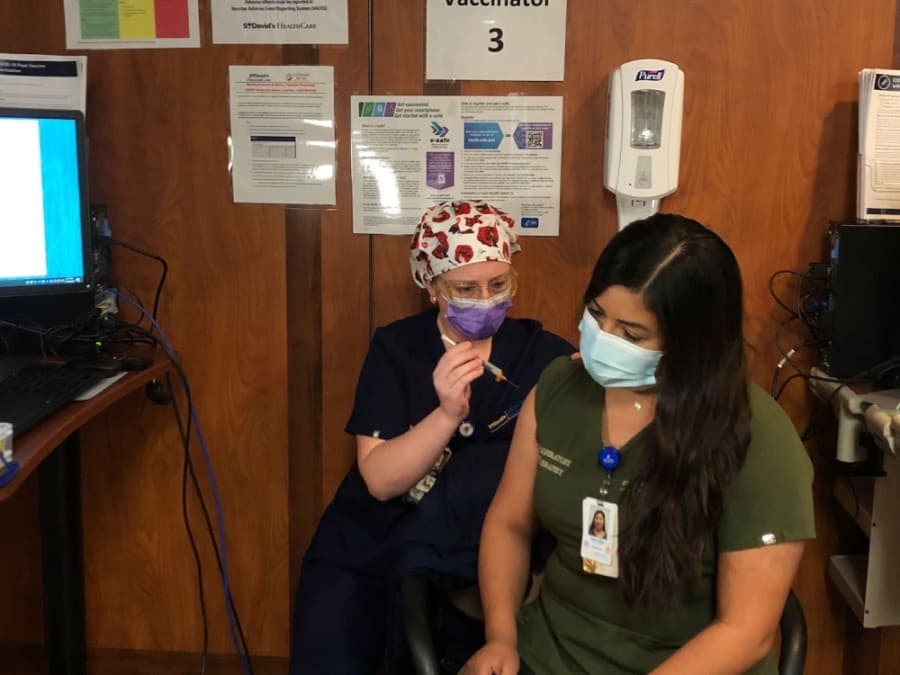
“I don't anticipate that the 30,000 or so vaccines that we received are going to significantly impact the surge itself. What it has the potential to do is help us on the staffing side,” said Dr. Mark Escott, the Austin-Travis County interim health authority. “As we have hospital staff, our paramedics and first responders increasingly immunized against COVID-19, our hope is that we're going to see less impact in terms of absenteeism associated with COVID-19. But the vaccine that we have at this stage is not going to be nearly enough to have any substantial impact on the numbers of new cases and hospitalizations.”
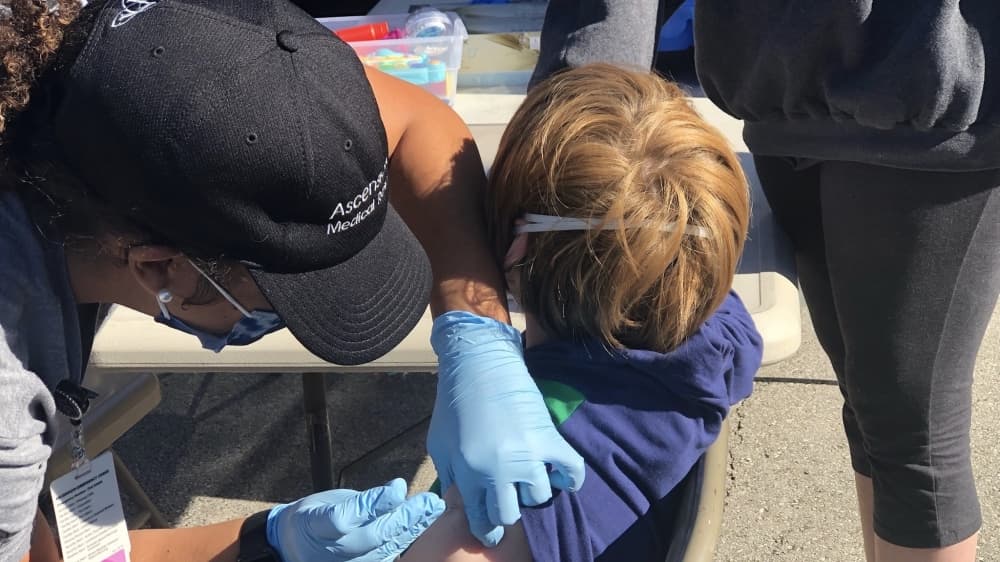
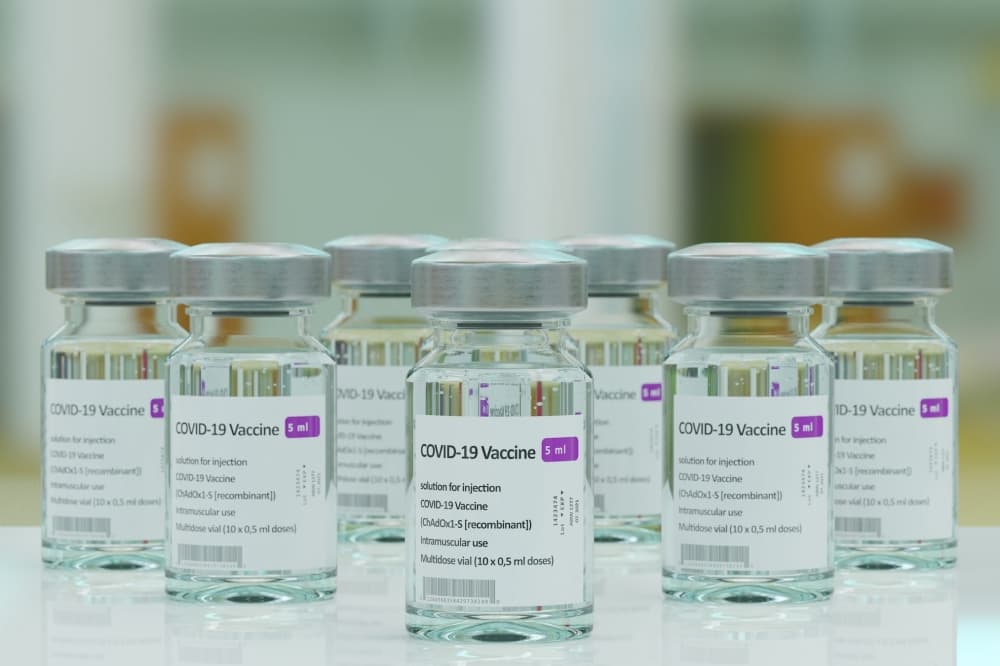
The Texas Department of State Health Services announced Dec. 18—following the Food and Drug Administration’s emergency use authorization of biotechnology company Moderna’s COVID-19 vaccine—that the state would receive 460,500 doses of the Moderna vaccine this week, as well as 159,900 additional doses of Pfizer’s vaccine. Of those doses, 25,425 are being distributed by Austin-area hospitals and pharmacies. At this time, the vaccine is still being distributed to the first phase of recipients—health care workers with high exposure to the virus, followed by the staff and residents of long-term care facilities such as nursing homes. With “somewhere in the neighborhood of 80,000 health care workers in Travis County,” according to Escott, the county has not yet received enough doses to cover those high-priority workers.
APH representatives have said they are following recommendations from the Centers for Disease Control and Prevention and the DSHS regarding who will subsequently receive the vaccine but have yet to announce specifically which populations will be next in line.