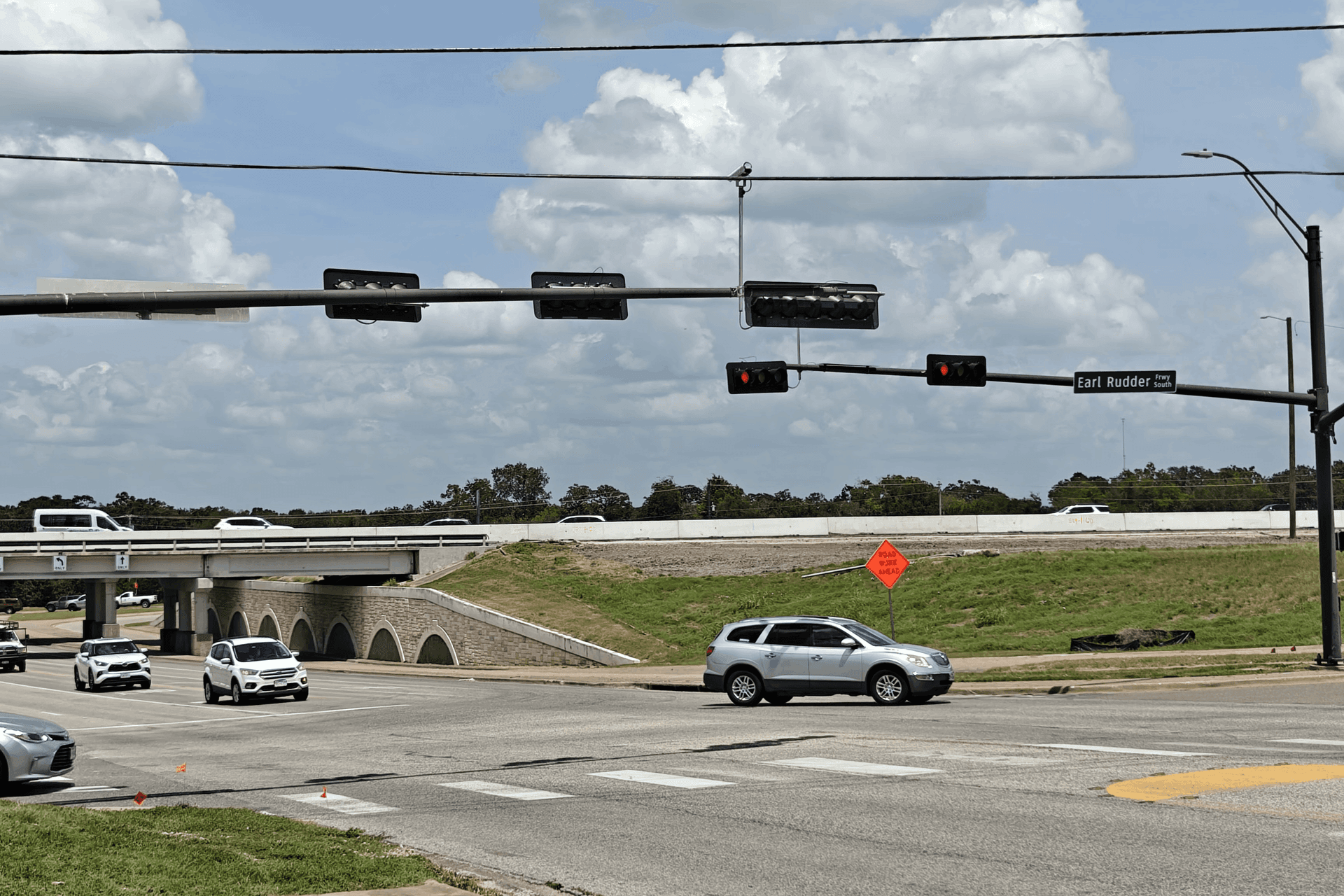
Work on State Hwy. 6 throughout the Bryan-College Station area, which has been dubbed the ‘Big 6,’ is expected to last through 2030. In the meantime, officials and locals are preparing for life during the construction.
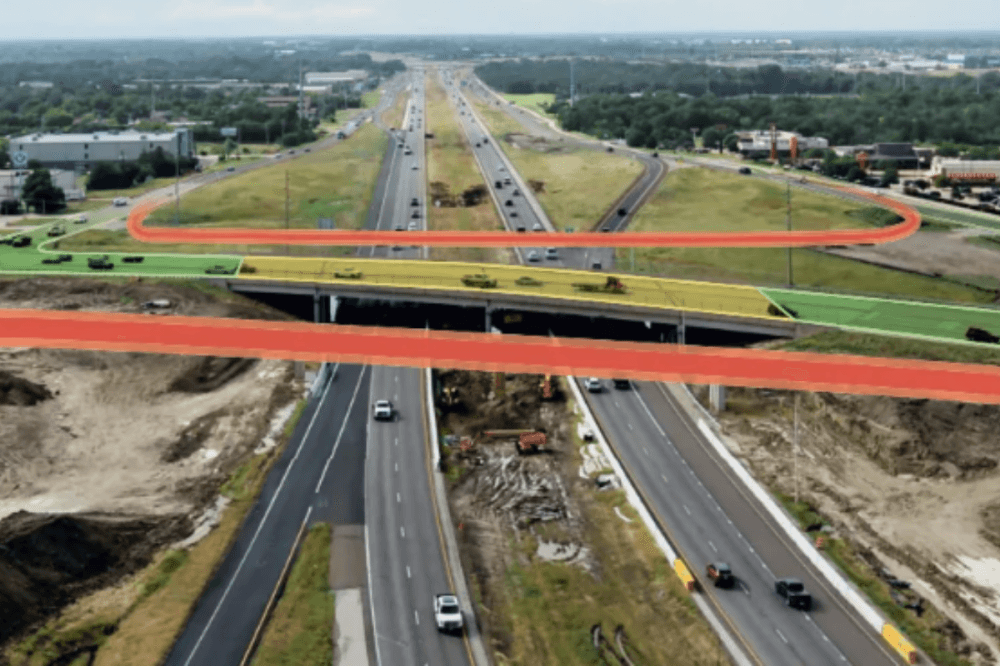
Construction on Hwy. 6 will include several changes along the corridor aimed at helping to better deal with growing traffic counts in the area.
What you need to know
The roughly $670 million Big 6 project, which will expand and add to the State Hwy. 6 corridor that runs through Bryan and College Station, will take several years to complete. Once done, it will both make up for past growth and pave the way for the area’s future, local and state officials said.
However, the project, which is being carried out by the Texas Department of Transportation, will be under construction until the early 2030s. In the meantime, questions remain about how it will affect growing traffic counts in the area and the local economy—particularly for businesses that operate along the corridor.
Despite some concerns, officials from across Aggieland said the potential impact of the project—along with plans made by contractor Fluor Heavy Civil—officials said the goal is for the work to be as unobtrusive as possible around businesses and local events, such as Texas A&M University football games.
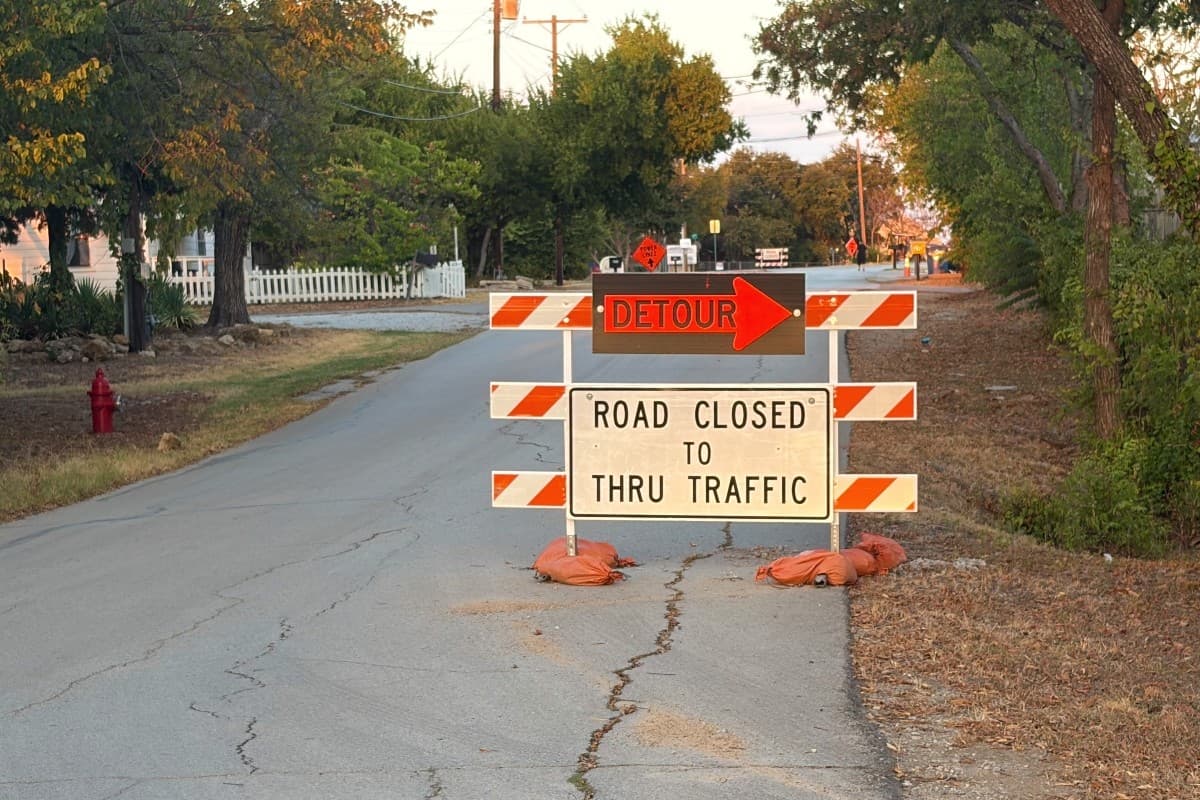
Meanwhile, traffic patterns around the cities are likely to change, as some streets will be busier than usual as locals seek out other thoroughfares to get around construction, said Doug Bramwell, chair of the Bryan/College Station Chamber of Commerce’s transportation committee.
Why it matters
Officials told Community Impact the need for the expansion has been long-standing. Dan Rudge, executive director of the Bryan/College Station Metropolitan Planning Organization, said his organization set aside a few years’ worth of funding to help secure additional state funds for the project.
That need stems from the significant growth the area has experienced in recent years—in both population and traffic patterns.
"The whole reason why we’re building and expanding is because we know that there’s growth coming. ... [The project] will be able to better maintain traffic throughout the city," TxDOT spokesperson Kendra Welch said.
The Impact
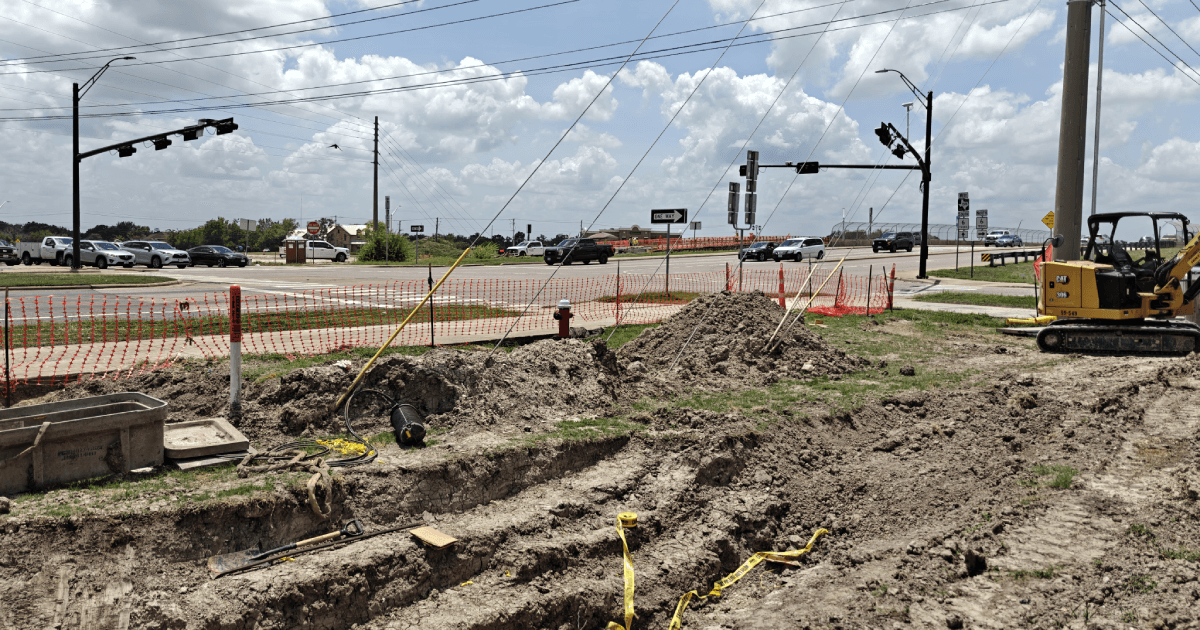
Welch said the first phase of the project will cause the most disruption to businesses. During that time, officials are working to keep businesses accessible while also distributing flyers to keep owners aware of the ongoing closures and work.
Michael Lair, who owns the College Station-based Stella Southern Cafe, said he noticed construction caused part of the road to be reduced from two lanes to one. He said it started to make him concerned.
"If they shut down our access road, we're screwed," he said.
Meanwhile, at Prosperity Bank on Rock Prairie Road, President Jamie Lander said previous construction has affected the business. But that has yet to happen with the current project.
Bramwell said the biggest issue businesses are running into right now is students having left for the summer. As work progresses—particularly on overpasses throughout the corridor—he expects more of a pinch.
What officials are saying
The impact the project could have on the area economically is difficult to parse, officials said. Budget documents from the city of College Station noted that several economic pressures are currently at play, including energy costs and inflation.
To that end, the city’s projections for its sales tax revenue through fiscal year 2028-29 show an anticipated year-over-year increase.
“We haven’t heard anything from anyone about the impact at this point,” Colin Killian, public communications director for the city of College Station, said in an email.
City of Bryan officials, in a statement to Community Impact, said it also had no update on the impact. The city provided some sales tax projections but noted that more updated ones will come in July.
Looking ahead
Construction began in December 2025 and is expected to continue through 2030, according to TxDOT documents.
In the long term, the project will be carried out in three separate phases, some of which could overlap.
- 2026-28: Phase 1 includes beginning work on the highway and replacing bridges.
- Late 2026-30: Phase 2 features corridor intersection work.
- Early 2028-30: Phase 3 will focus on sidewalks, shared use paths and landscaping.