The city of College Station sits in a unique position for the 2026-27 football season with city-wide traffic monitoring for game day congestion. The city's traffic operations team is set to keep traffic flowing even with the large crowds. (Rhett Brady/Community Impact)
The city of College Station sits in a unique position for the 2026-27 football season as one of the few cities with city-wide traffic monitoring for game day congestion. The city's traffic operations team is set to keep traffic flowing even with the large crowds.
The overview
The city works with Texas A&M University, the College Station Police Department and other agencies to manage traffic during game days.
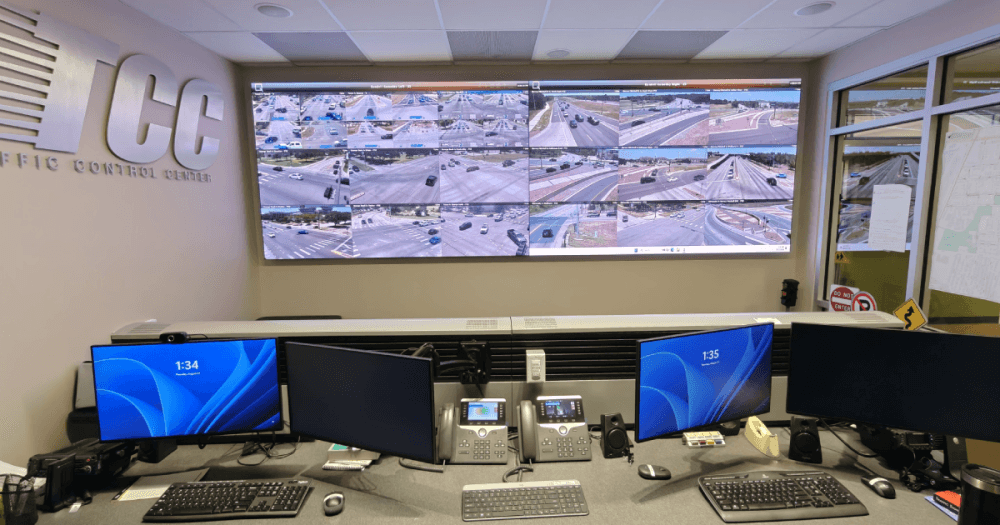
Senior Traffic Engineer Randell Smith told Community Impact the city now maintains and operates more than 100 cameras in two control centers, with the exception of Hwy. 6, with an on-call 24/7 crew to help with maintenance.
“We always have one engineer here post-game, one at halftime and we’re also up here with the police department,” Smith said. “They have the capability to radio down to their officers to make any changes in the field.”
Game day traffic operations last around four hours, with crews aiming to complete traffic changes and equipment removal within two hours after a game.
Smith said the traffic control plan has been around for 12 years, with more tweaks each year to help efficiency.
How it works
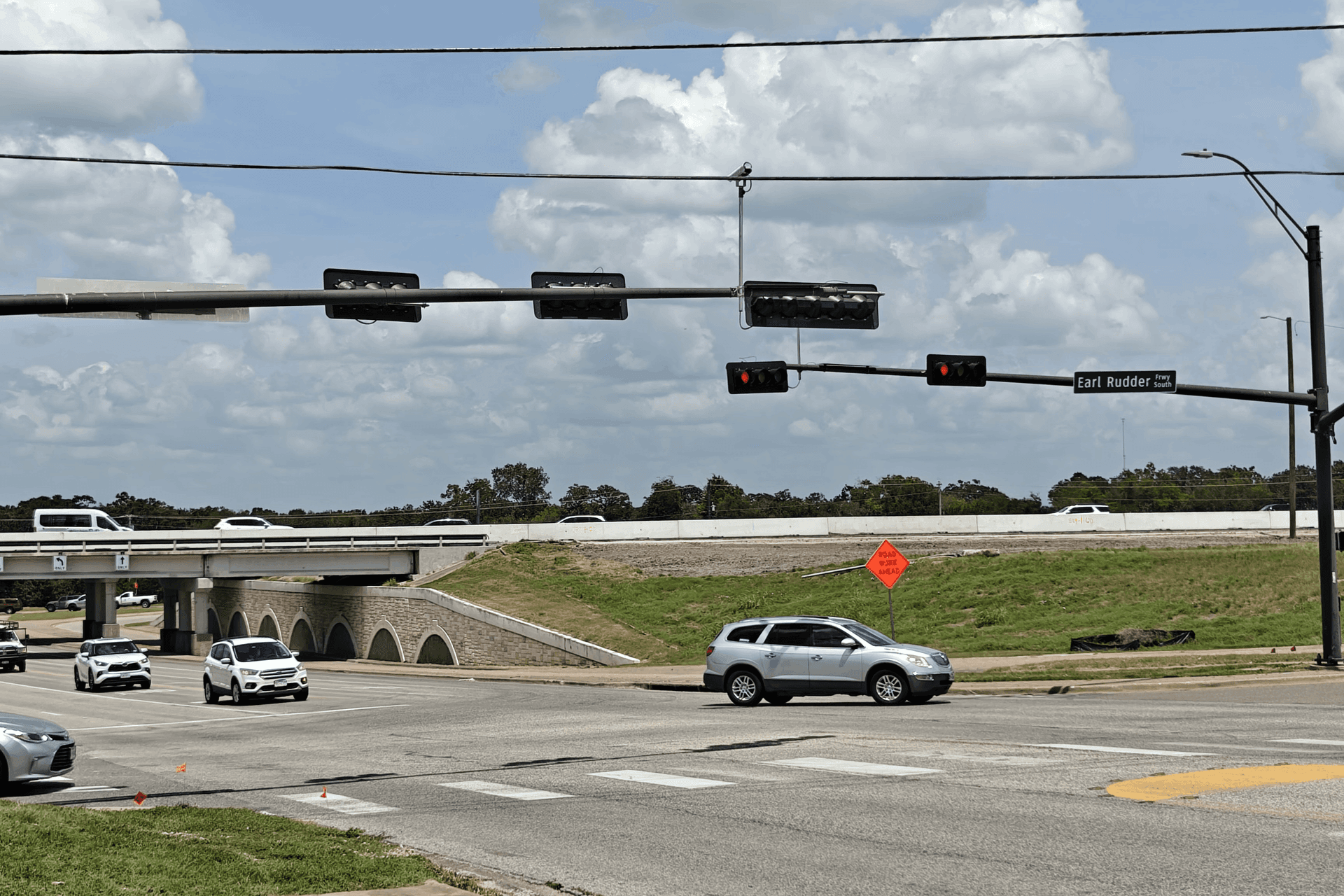
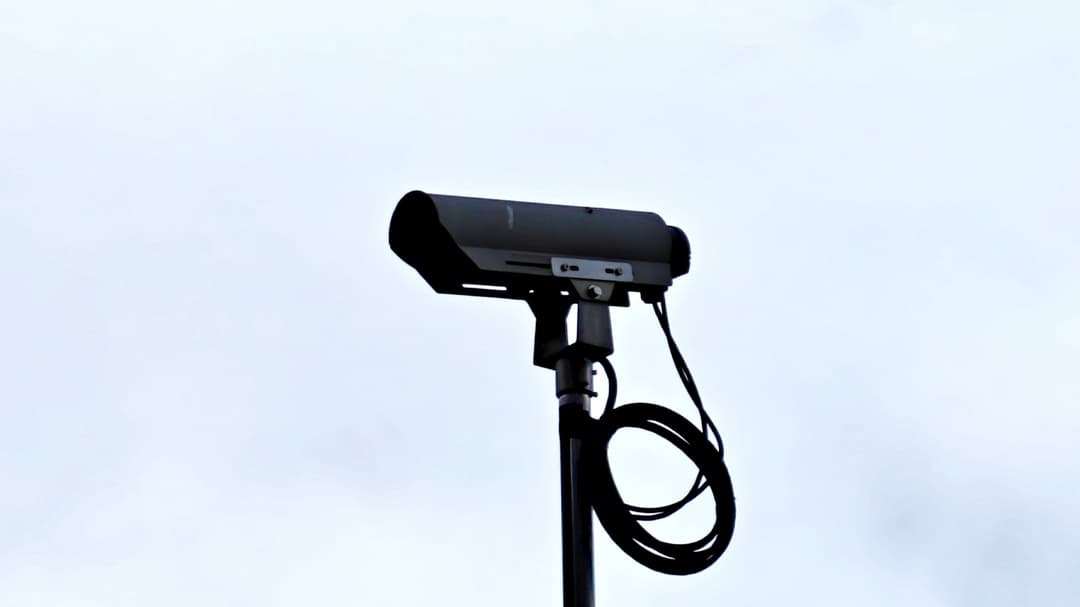
The city uses fiber-connected cameras to monitor traffic in real time. As older cameras are replaced, the city is adding models with artificial intelligence capabilities that can detect and track vehicles, buses and pedestrians.
Smith said the cameras are used for traffic management and do not record or track individual vehicles or people.
“The cameras aren’t recording vehicles or people,” Smith said. “We do not track these and it isn’t an interconnected network. It’s all for traffic control and flow.”
An example of cameras used in College Station. (Rhett Brady/Community Impact)
Diving in deeper
With seven A&M home football games and a potential playoff game this upcoming season, Smith said the control center will be monitoring all of them along with various other events around the city.
“It takes a lot. It’s a huge team and group effort involving everyone,” Smith said. “We work with A&M, and the city of Bryan is also helpful because of the capabilities of their buses. We also work very closely with the Texas Department of Transportation and the Texas A&M Transportation Institute on their large events.”
Smith said the operation is now almost year-round because of the large summer events like the Savannah Bananas game. As previously reported by Community Impact, the city said the game was one of the large revenue generators outside of A&M sports.
“Those kinds of events are actually harder on us because those aren’t our usual fans,” Smith said. “They might not understand traffic flow, the roadways. Sometimes it’s a language barrier. We’ve made some changes for that because they might not understand why they’re having to drive on the opposite side of the road.”
The impact
With the city working every game day to ensure traffic flow, Smith said residents are expected to have less congestion on the roads during Aggie football games. Smith also said the ever-expanding operation is getting more technologically advanced, so more research and improvements are expected every year.