Bryan ISD is asking voters for a tax rate increase that would generate additional revenue for several items. One item is employee compensation, which would impact employees such as Mitchell Elementary kindergarten teacher Amy Camacho. (Courtesy Bryan ISD Community Affairs)
Bryan ISD voters will decide Nov. 3 whether to approve a tax rate increase that would generate nearly $5.6 million in additional in recurring maintenance and operations, or M&O, revenue for the district.
The proposed voter-approval tax rate election, or VATRE, would increase the district’s M&O tax rate from $0.6769 to $0.6968 per $100 of taxable property value. The total tax rate would increase from $0.9469 to $0.9668, while the $0.2700 interest and sinking rate used for debt service would remain unchanged.
The big picture
The district has identified employee compensation, student programs and safety and security as priorities for the additional revenue.
However, Bryan ISD has not finalized a specific compensation plan tied to the VATRE.
Executive Director of Community Affairs Hugo Ibarra told Community Impact the district is working with its human resources department and the Texas Association of School Boards to evaluate compensation scenarios. If voters approve the VATRE, those options would be brought to the Board of Trustees for consideration after the November election.
Any changes to employee compensation would require board approval and would be incorporated into the budget through a budget amendment.
Trustee Ruthie Waller said this is where the money comes from to pay teachers, bus drivers and janitors , among other staff. She said quite a few BISD employees were once students there.
The district has said if the VATRE passes, the $500 one-time stipend included in its existing 2026-27 compensation plan would be replaced with an ongoing salary increase that would count as Teacher Retirement System-eligible compensation.
If the VATRE does not pass, the $500 stipend would remain in place and the budget would go unchanged.
Cost to the taxpayers
The election order states the VATRE would generate an additional estimated $5,595,641 in M&O revenue for the 2026-27 school year, representing a 2.10% increase over the previous year’s M&O tax revenue.
About $2.5 million would come from local property tax collections, while about $3 million would come from the state through the use of two golden pennies.
By using two of Bryan ISD’s golden pennies to officially place the measure on the November ballot on Aug. 10, CFO Norma Friddle said the funding would remain within the district rather than being subject to recapture.Courtesy Bryan ISD
CFO Norma Friddle said the additional funding would be recurring and would remain with Bryan ISD rather than being subject to recapture.
For a homeowner with a $350,000 county appraisal value and a $140,000 homestead exemption, the district estimates the increase would amount to about $42 per year, or $3.50 per month. That’s based on a taxable value of $210,000.
Homeowners 65 and older who qualify for a property tax freeze and have not made improvements that increase their home’s taxable value would not see an increase in the dollar amount of school district taxes they owe, according to the district.
Who would benefit?
Employee compensation was the highest identified priority leading to the VATRE.
Waller said Bryan ISD’s $53,500 starting teacher salary trails comparable districts, including Katy at $66,500 and Cypress-Fairbanks at $65,000.
“We have got to become more competitive to get the certified teachers that we need,” she said.
The district increased bus driver pay Sept. 14 to $22 per hour after Director of Transportation Bryant Washington said the district faces a “severe” driver shortage. Friddle said the pay bump will cost the district roughly an additional $155,000.
How we got here
Bryan ISD’s VATRE discussion grew out of its strategic planning process — according to a Sept. 14 special presentation — which a Sept. 14 special presentation–which included community, student, parent, faith-based, teacher and district leadership groups, as well as school board meetings and the Superintendent Advisory Council.
District officials have pointed to declining enrollment, attendance-based funding and rising operational costs as financial pressures.
Friddle said Bryan ISD lost more than 300 students between the 2024-25 and 2025-26 school years.
The plan includes a $500 one-time stipend for all full-time employees in December, a $53,500 starting salary for new teachers, salary schedule step increases and continuing high-needs and critical assignment stipends.
If the VATRE passes, Ibarra said the $500 stipend will be replaced with an ongoing salary increase. The amount and structure of that increase have not yet been determined.
Should the VATRE be rejected by voters, he said the board will continue to monitor the legislative session and evaluate opportunities to enhance employee compensation as funding and flexibility allow.
Measuring the impact
The VATRE affects only the M&O portion of Bryan ISD’s property tax rate.
M&O revenue supports the district’s day-to-day operations, including employee compensation, transportation, educational programs and campus operations.
The I&S rate is used to repay debt from voter-approved bonds and will remain at $0.2700 per $100 of taxable value.
That includes debt associated with the district’s previously approved $397 million bond program. Trustees approved parameters Aug. 10 for the sale of bonds from that program, with roughly $190.1 million planned for sale in 2026 and other sales planned through 2031.
The bond program and VATRE are separate. The bond debt is paid through the I&S portion of the tax rate, while the VATRE applies to M&O.
On the ballot
The ballot proposition will be labeled, “THIS IS A TAX INCREASE.”
Voters will be asked whether to ratify the $0.9668 tax rate per $100 of taxable value.
The ballot language says the rate would result in a 2.10% increase in M&O tax revenue and generate an additional $5,595,641.
Dates to know:
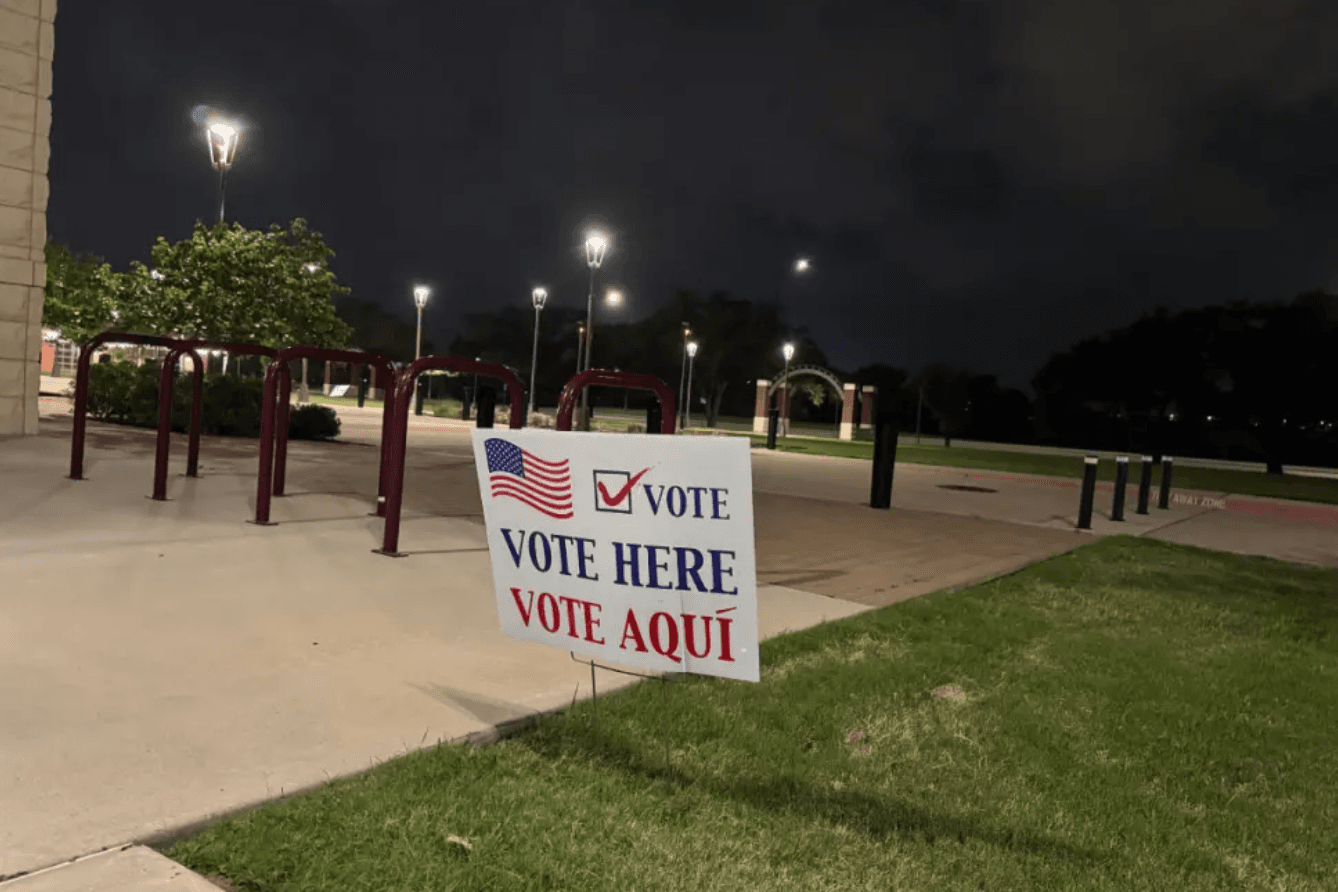
Early voting is scheduled for Oct. 19-30.
Election Day is Tuesday, Nov. 3.
If approved, the additional M&O revenue would be available beginning with the 2026-27 school year. If rejected, the proposed M&O increase would not take effect and the existing employee compensation plan would remain in place.